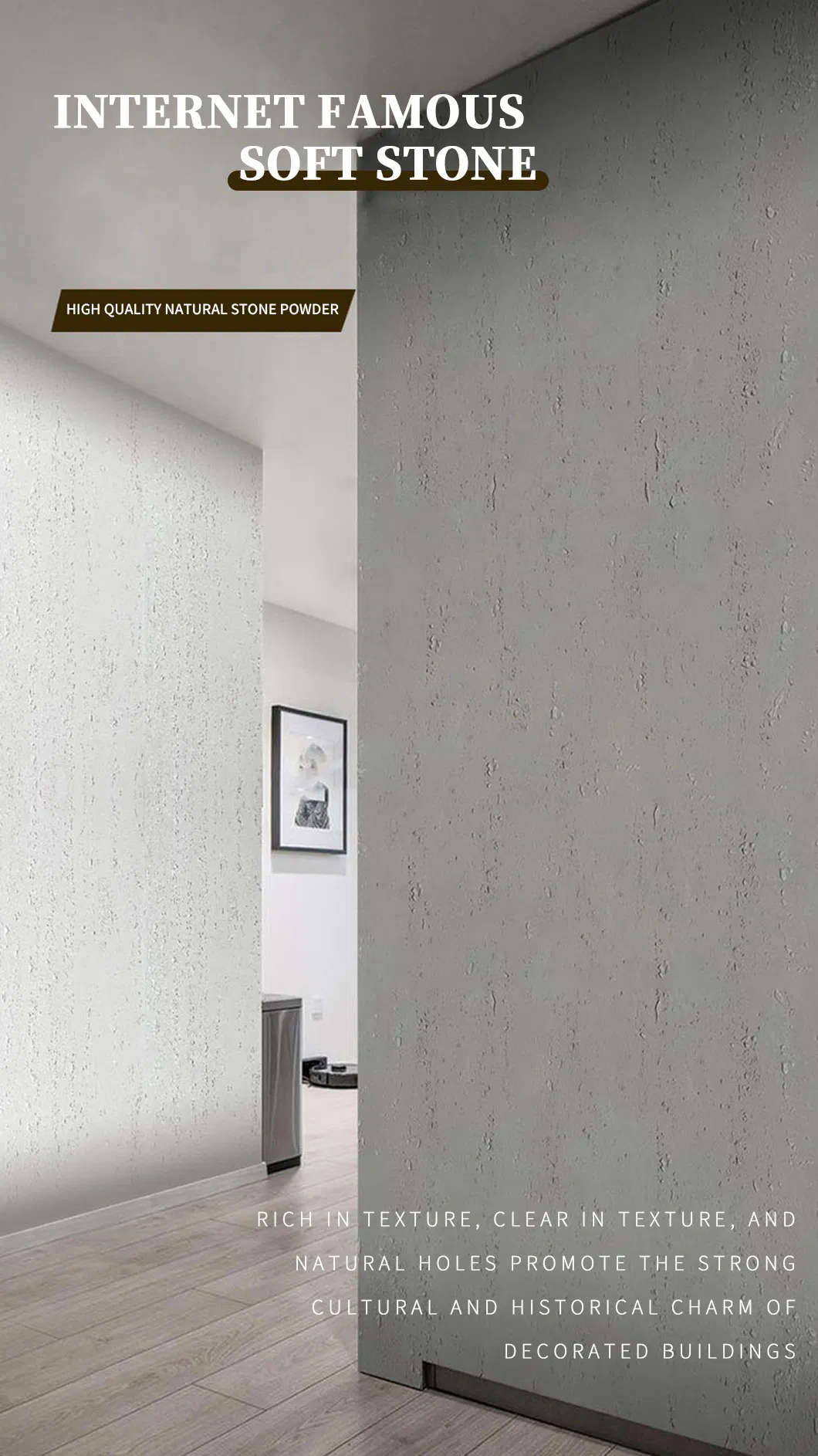
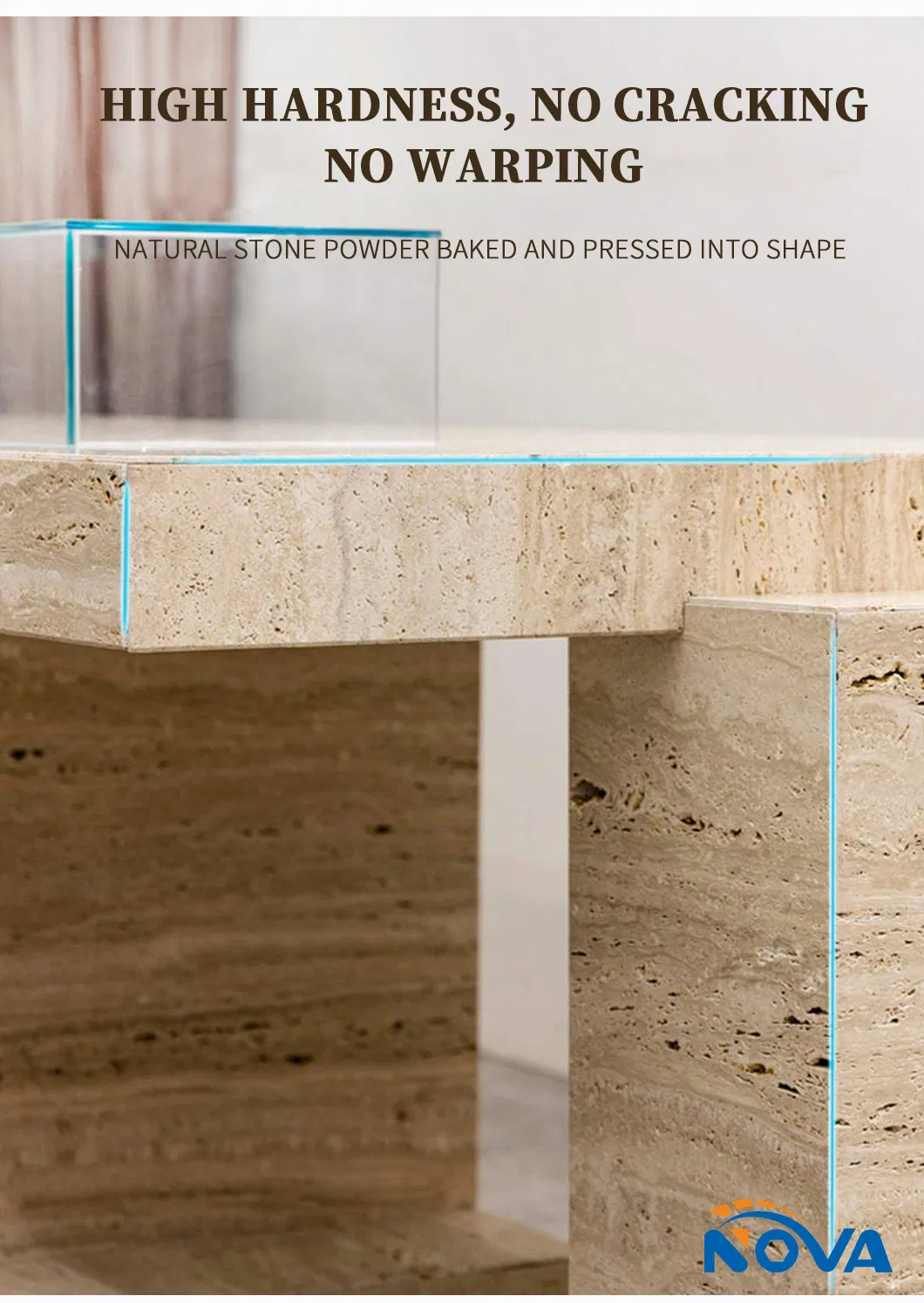
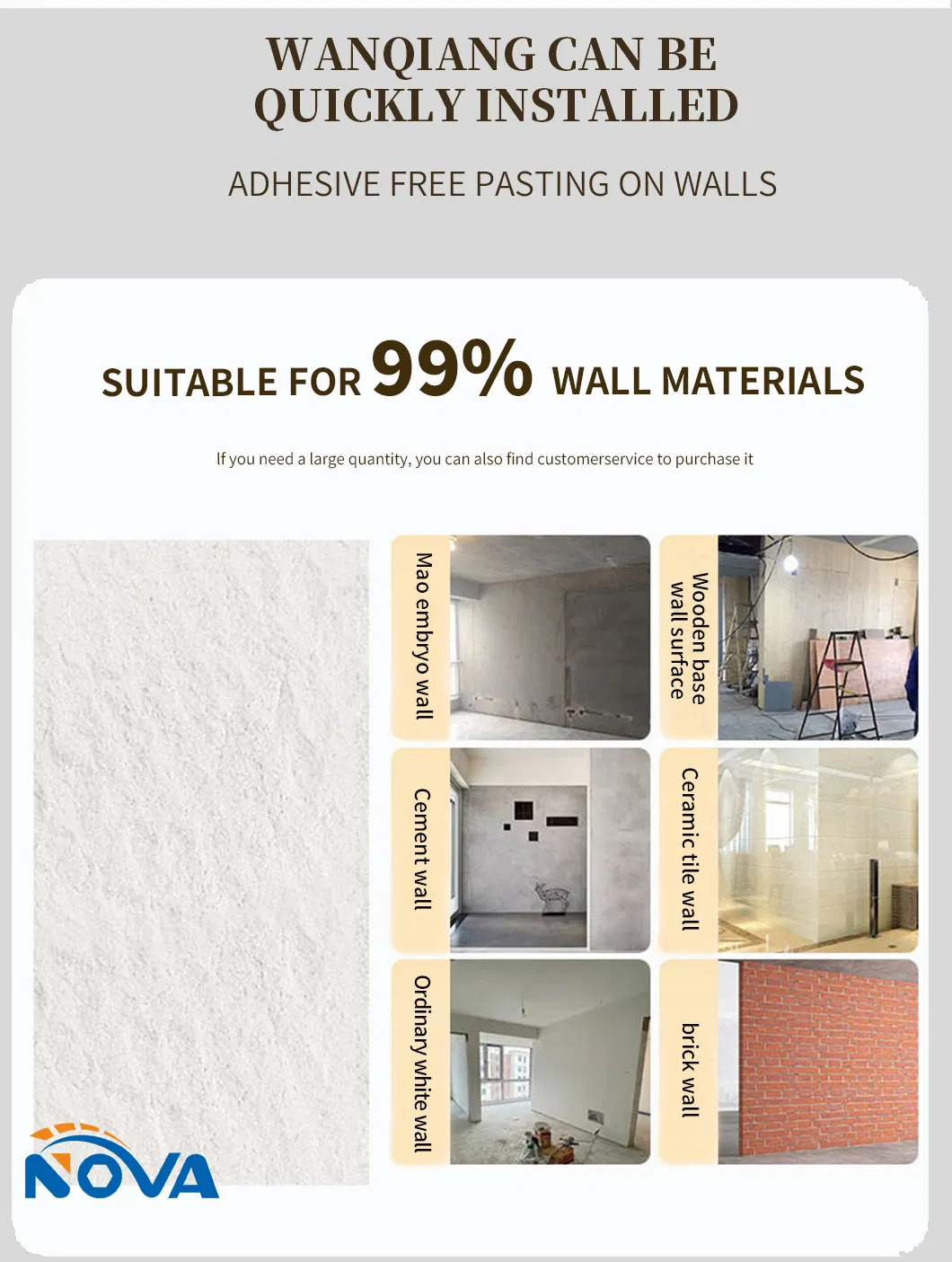
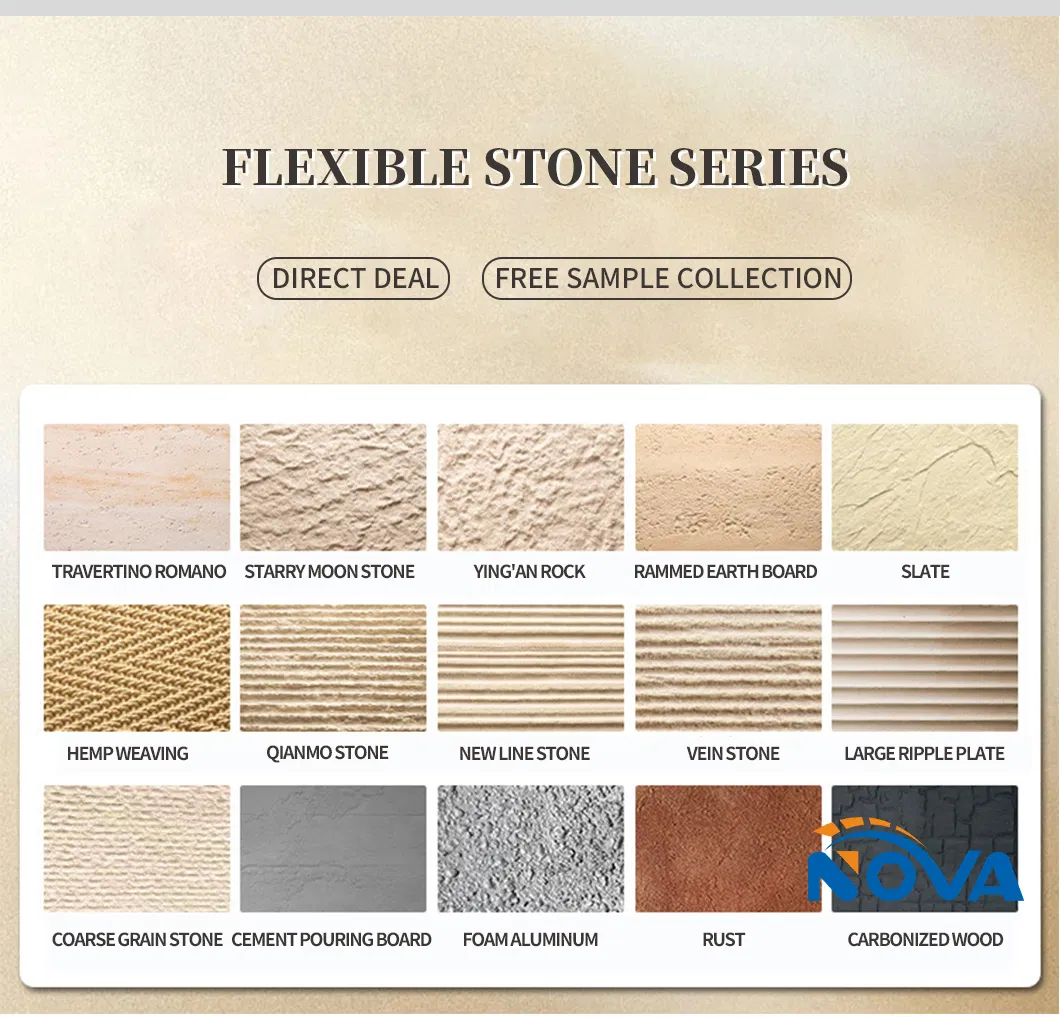
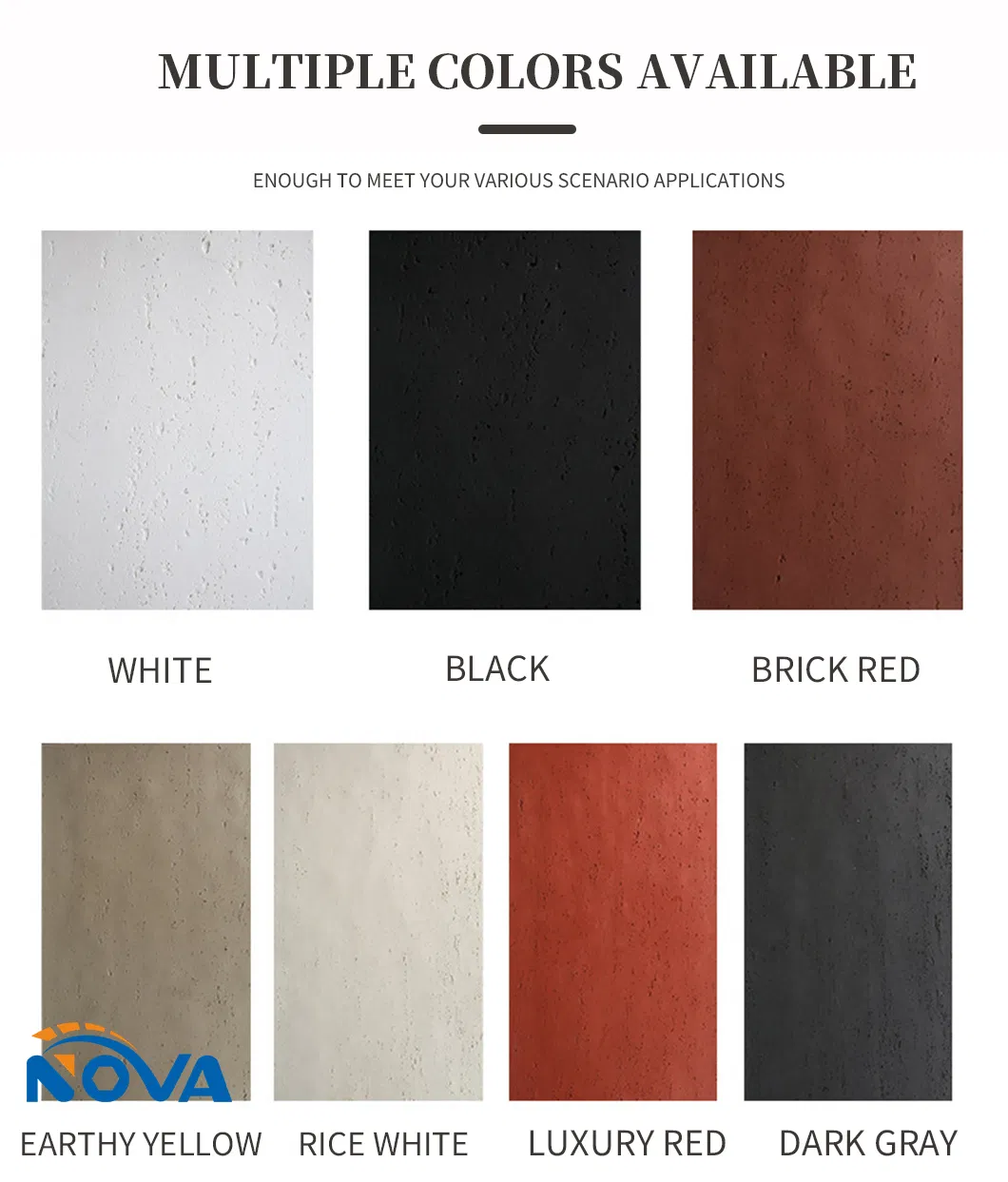
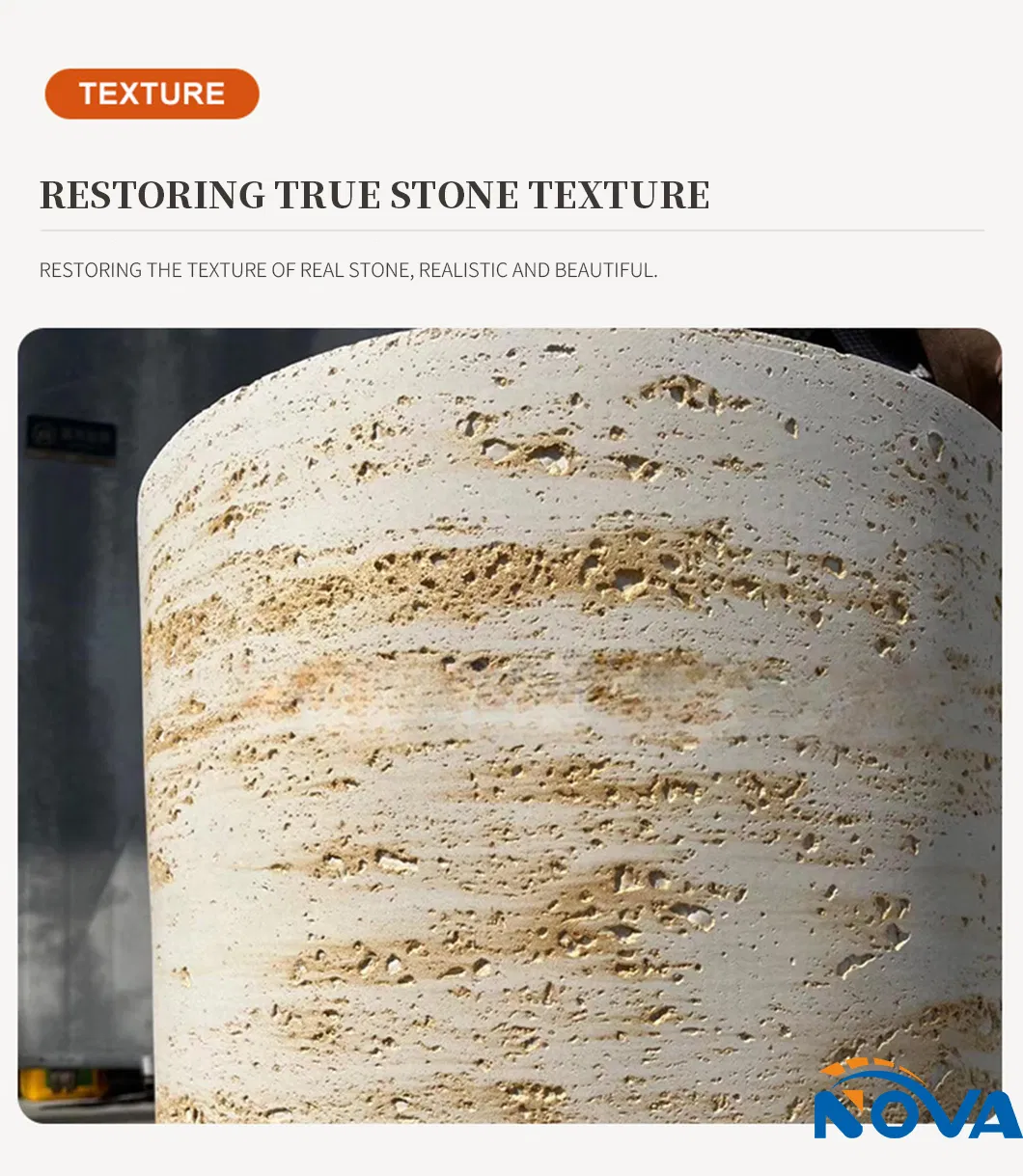
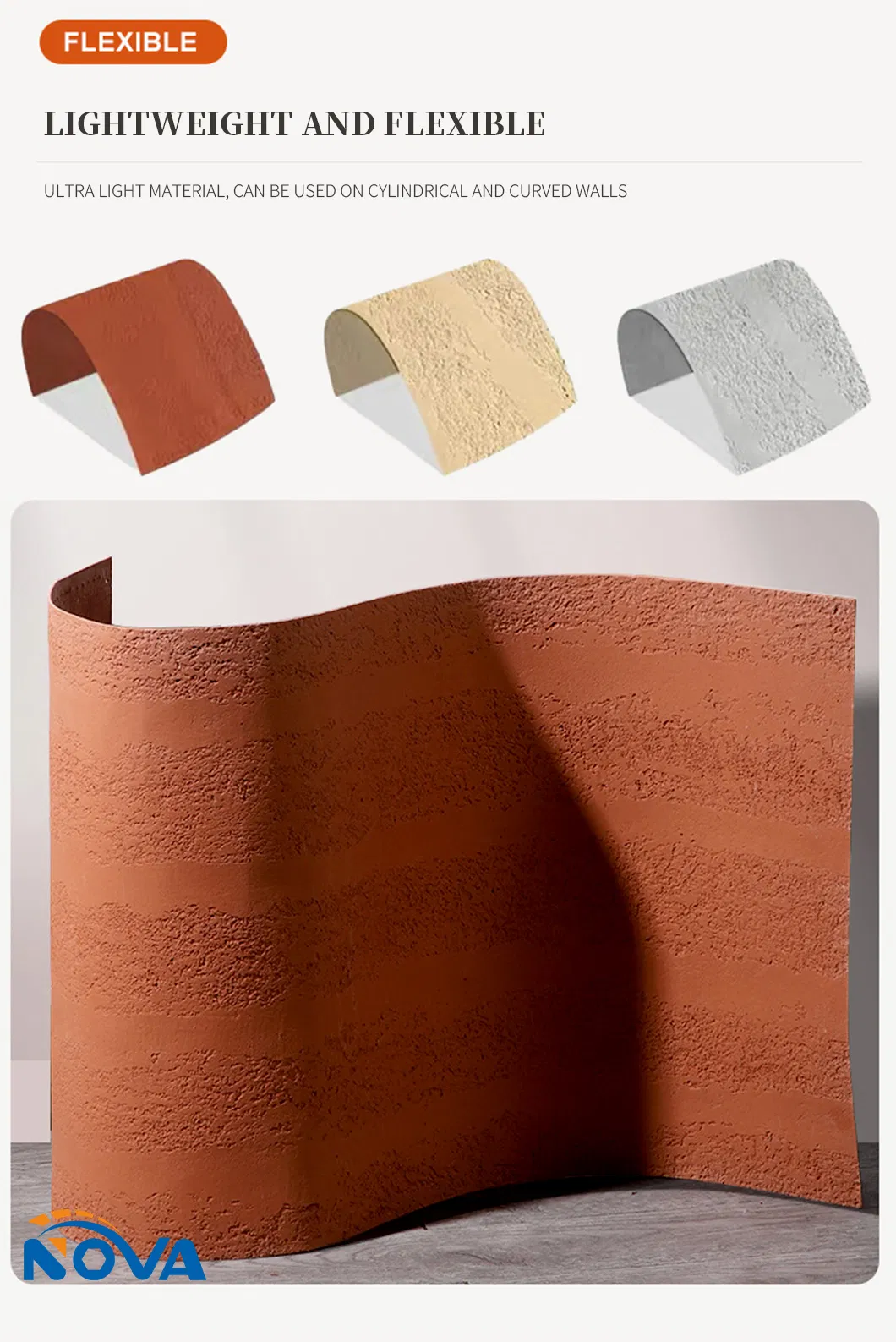
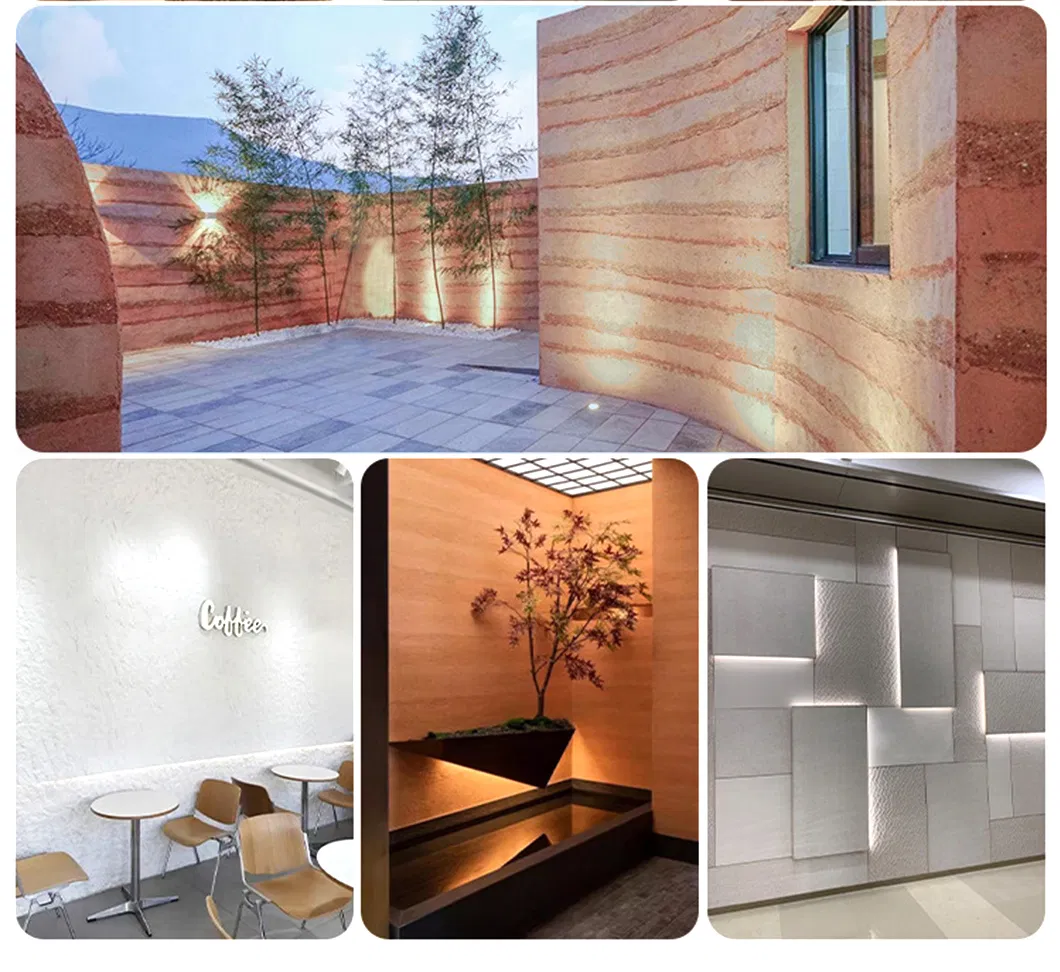
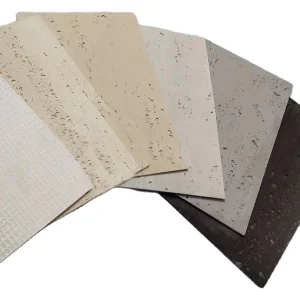
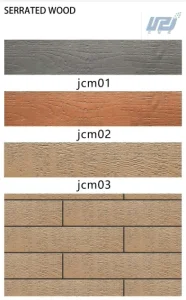
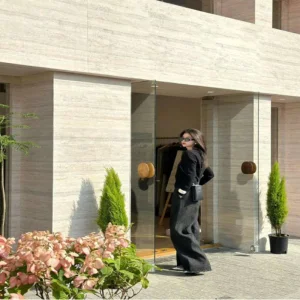
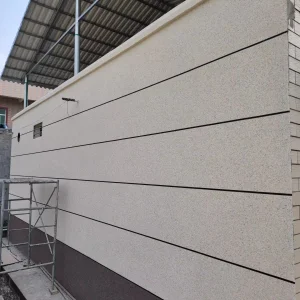
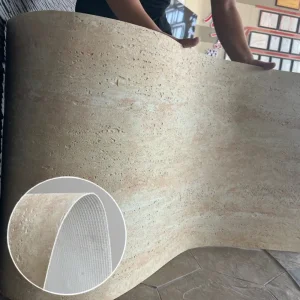
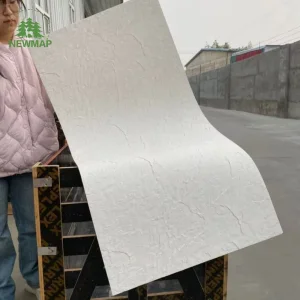
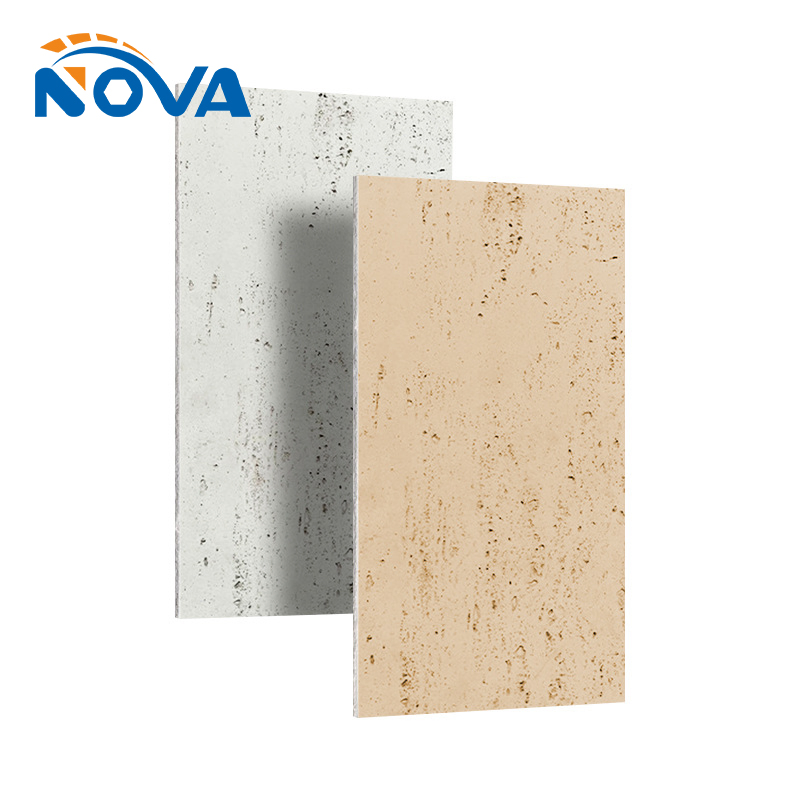
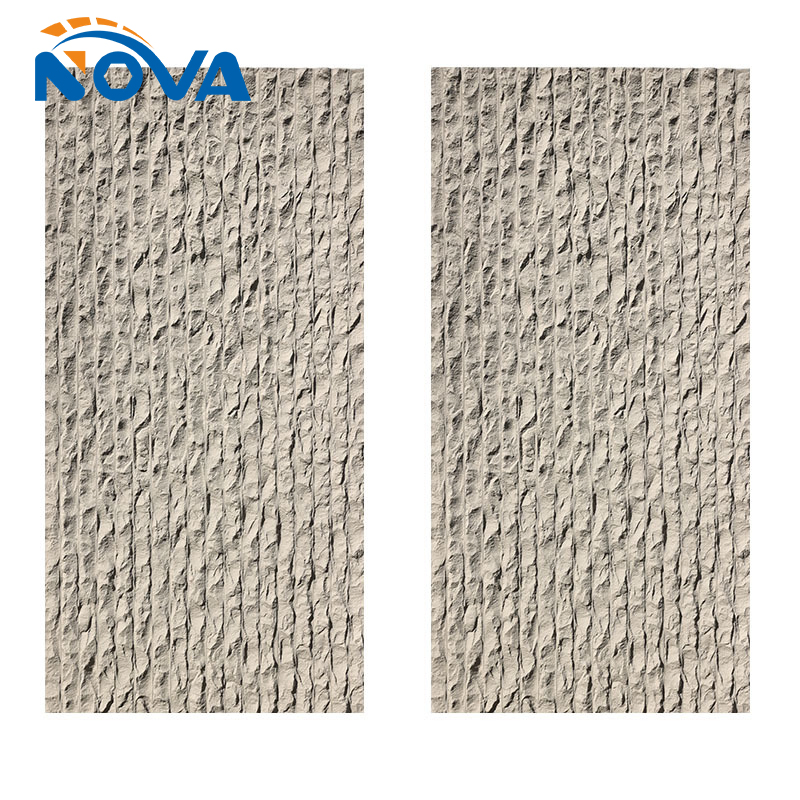
Soft wall stone is a revolutionary new wall decoration material designed to substitute traditional ceramic tiles, natural stone, and paintings. Crafted from natural stone/mineral powder and high-polymer materials, it recreates the unique characteristics of natural stone while offering superior advantages in flexibility and durability.
Main Applications:
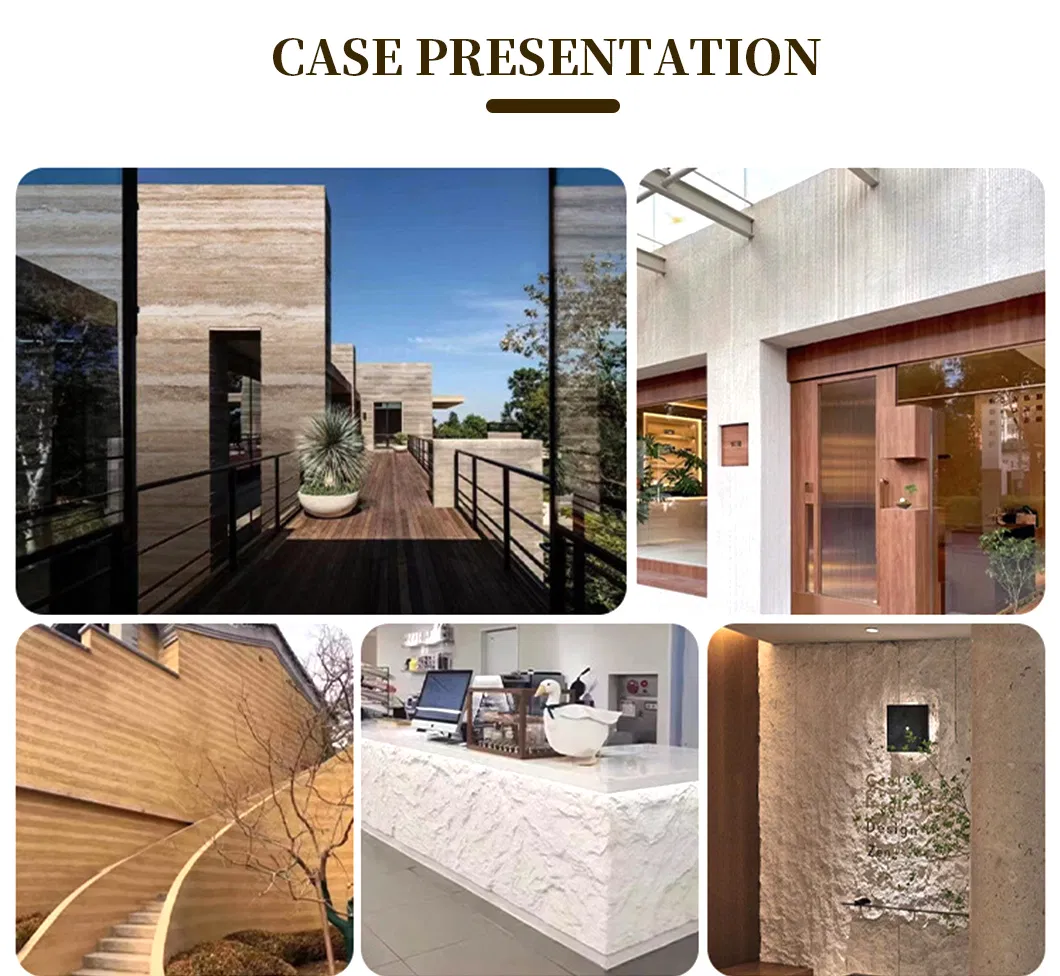
- Indoor and outdoor decoration for new and old building constructions.
- Public buildings including office complexes, hospitals, shops, restaurants, and bars.
- Family homes, luxury apartments, and villas.
- Ideal for high-rise building exterior wall insulation decoration.
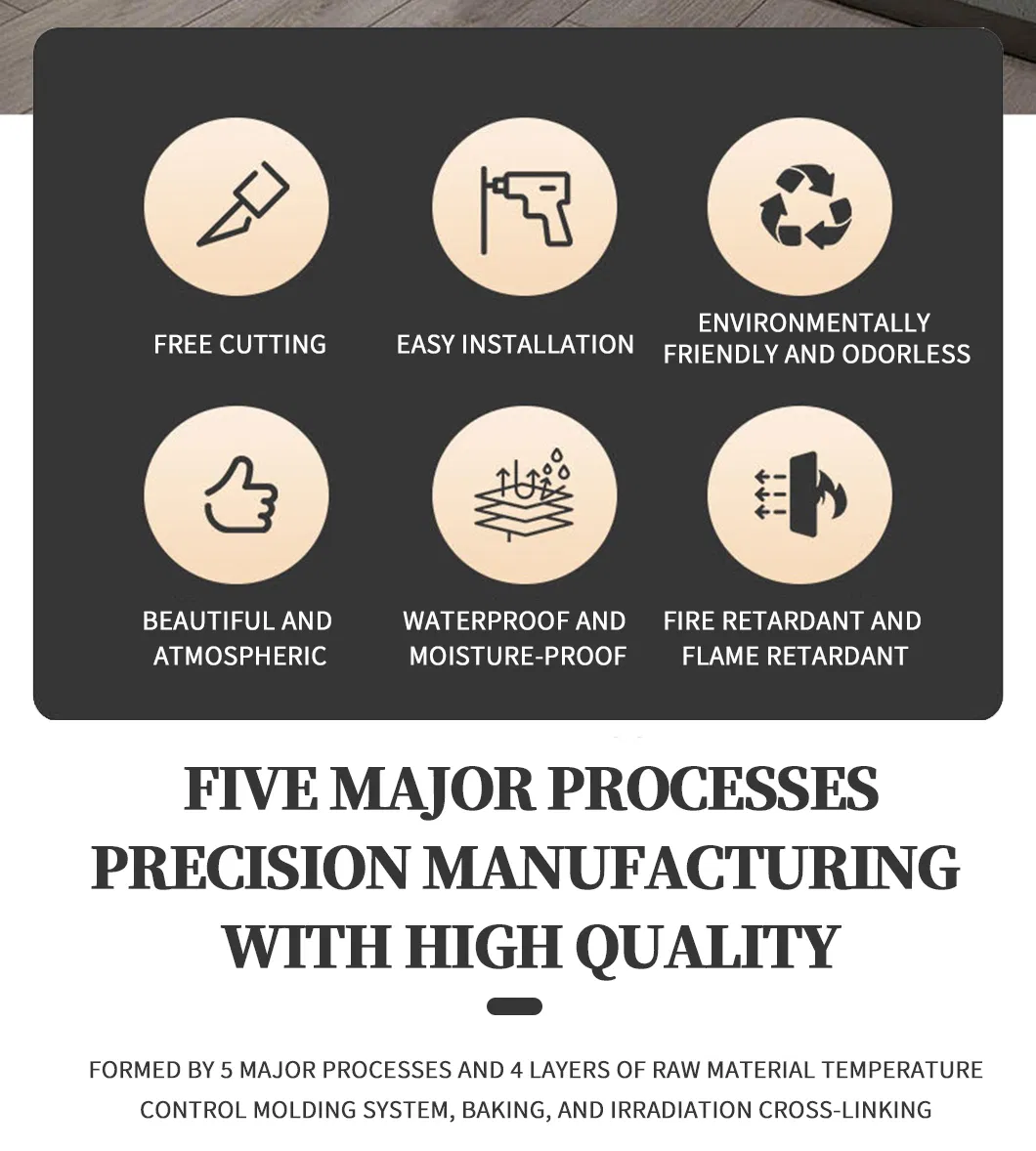
Thin and LightEach piece is only 2-4mm thick and 3-6 kg/sqm, ensuring easy installation and massive savings on logistics.
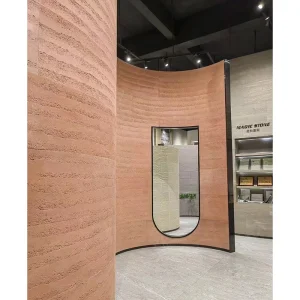
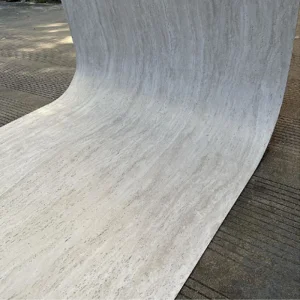
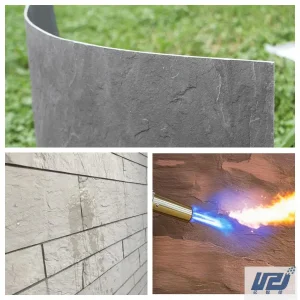
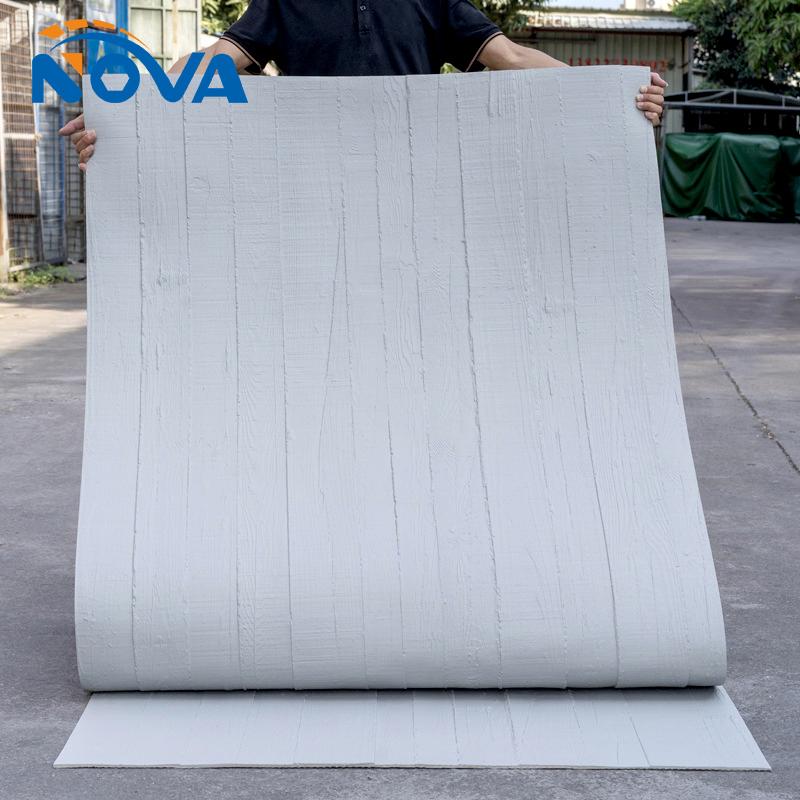
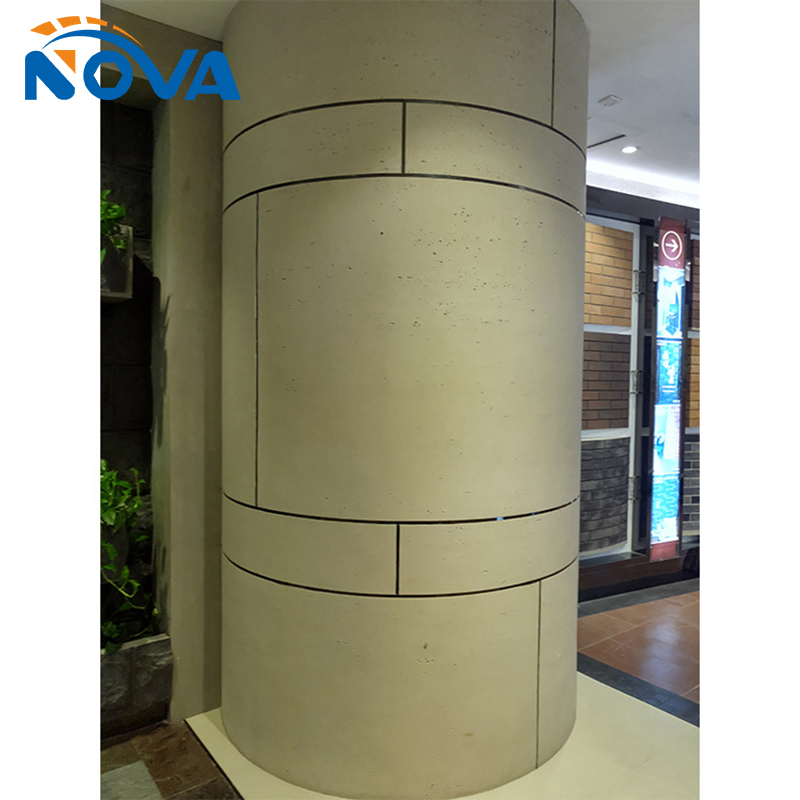
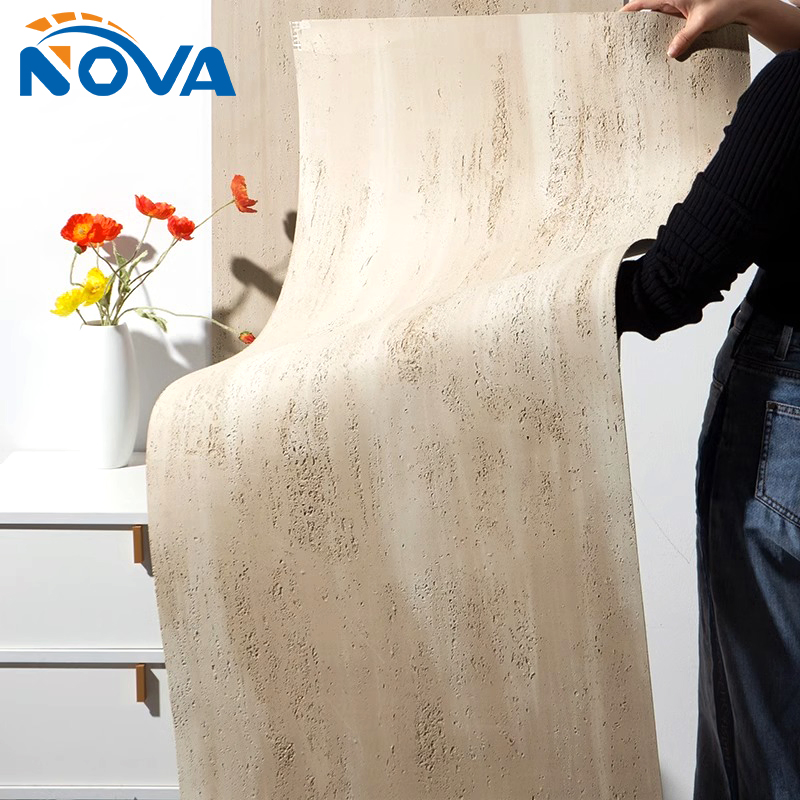
Flexible & CurvableWithstands lateral pulls and cracking; ideal for joints or wrapping around round columns.
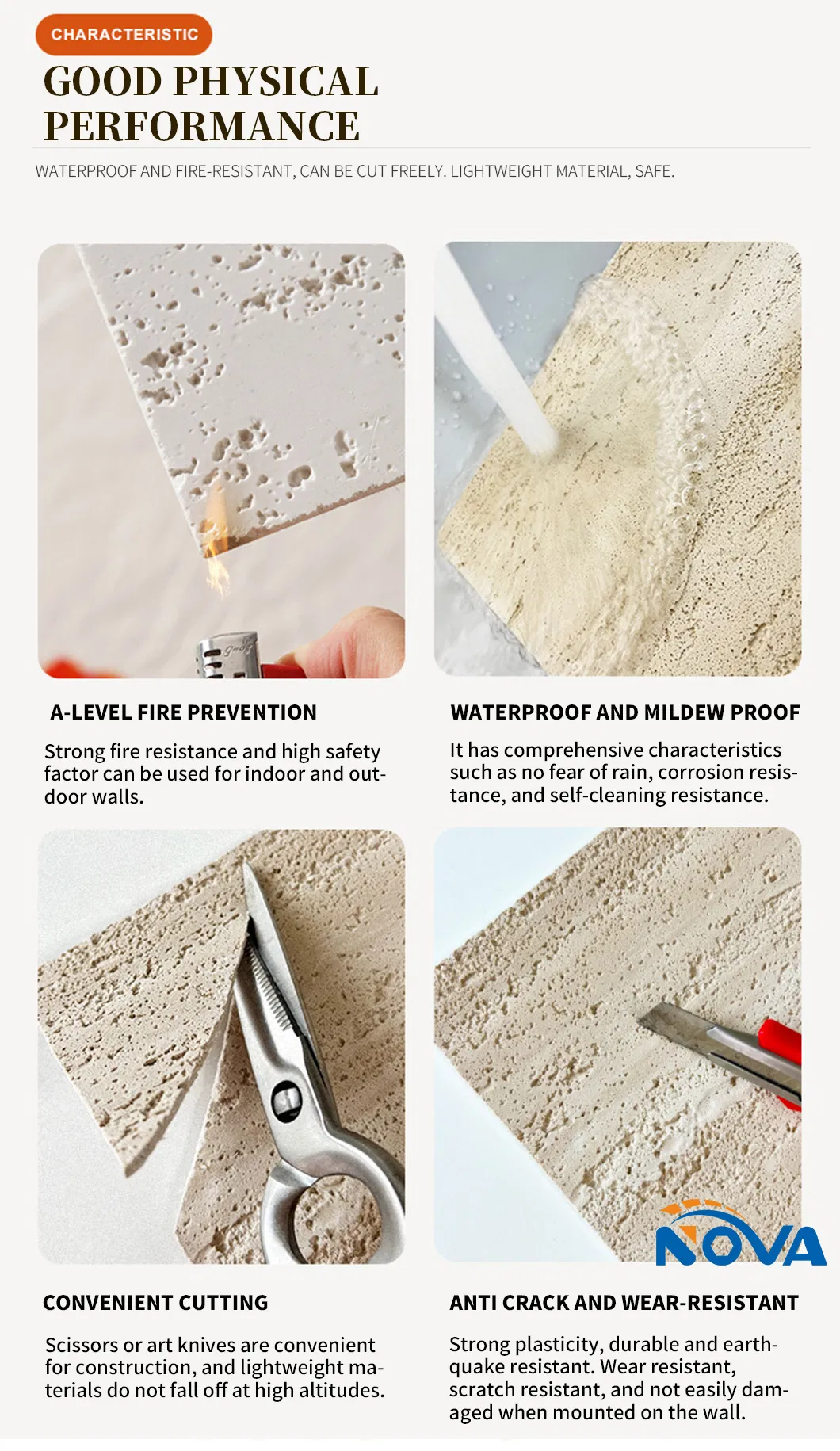
Fireproof (Class A)Complies with National A2 class fireproof standards for flexible materials.
Weather ResistantOdorless, moisture-resistant, and freeze-thaw resistant (over 100 cycles without scaling).
Self-cleaningNeutral properties prevent dust cling; surfaces are washed clean by rain.
Durable & Eco-Friendly50-year outdoor life expectancy; 100% recyclable and reverts back to soil.
Frequently Asked Questions
1. What is Modified Clay Material (MCM)?
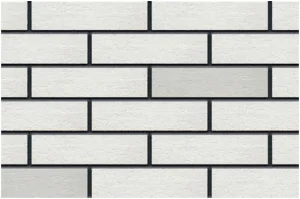
MCM, also known as FLEXI STONE, is created by mixing inherent colors of Modified Clay and natural stone powder. It recreates the unique features of natural stone, wood, bricks, metal, and leather.
2. Where can this product be applied?
It is suitable for both internal and external applications. It is best for building makeovers or decorating commercial, office, public, entertainment, and domestic feature walls.
3. What are the standard sizes available?
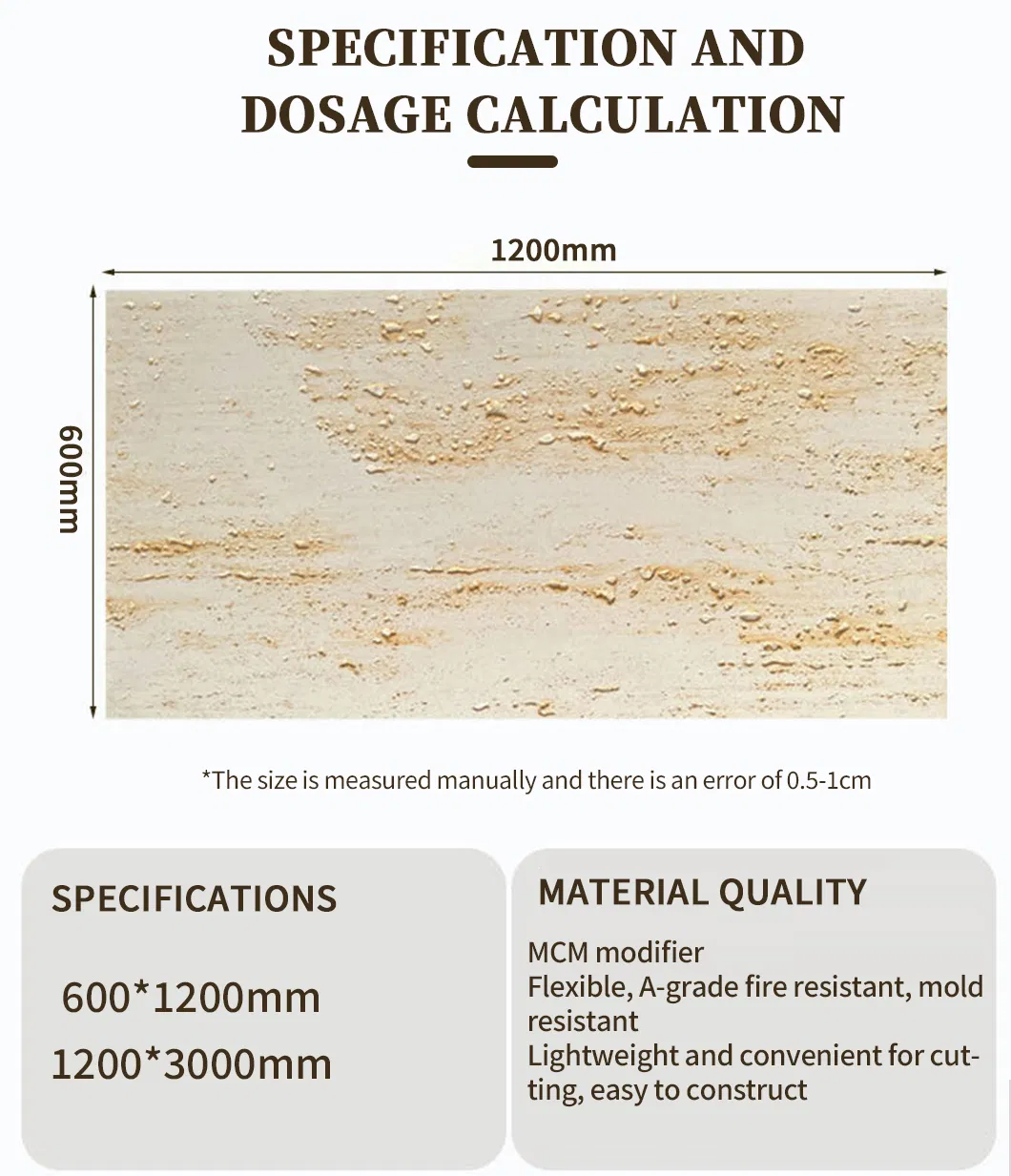
Common specifications include 600*1200mm and 1200*3000mm. Customization services are available for special size requirements.
4. What is the core technology behind it?
MC technology uses a mix of natural inorganic raw materials (soil, sand, ash) processed via spray-mixing and photochemical isomerism to form thin, durable sheets without firing.
5. Is the material environmentally sustainable?
Yes. The carbon footprint is reduced by 80% compared to traditional materials. It is fully recyclable and can be reused infinitely.
6. How does it handle extreme weather conditions?
It is water, acid, and alkaline resistant. It will not deform when immersed in solutions and remains stable after 3500h of accelerated aging tests.
 Avenue Decor