Avenue Decor
Avenue Decor
Avenue Decor
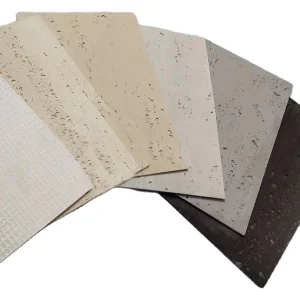
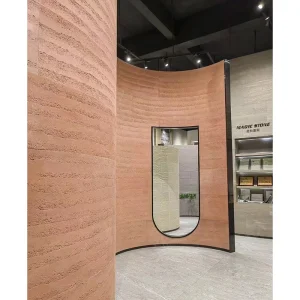
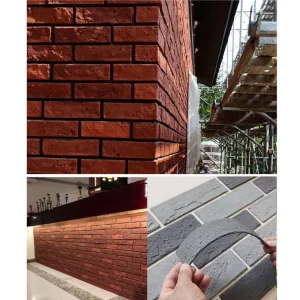
The construction landscape across the Central African Republic (CAR), particularly in rapidly growing administrative hubs like Bangui, Bimbo, and Mbaiki, faces unique geological, economic, and climatic structural pressures. As modern infrastructure projects align with sustainability goals, the demand for high-strength, lightweight, and thermally insulating materials has surged. Traditional concrete cladding, structural brickwork, and heavy natural granite paneling present profound installation bottlenecks. They demand high energy inputs, place severe loads on structural foundations, and suffer from high freight breakages during long transit corridors from coastal African shipping channels.
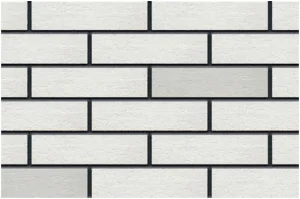
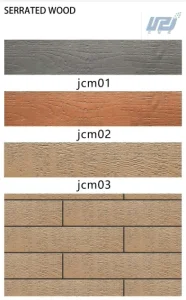
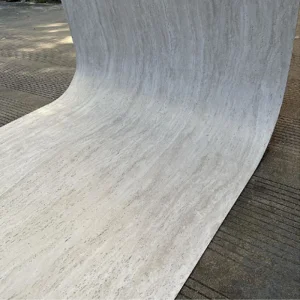
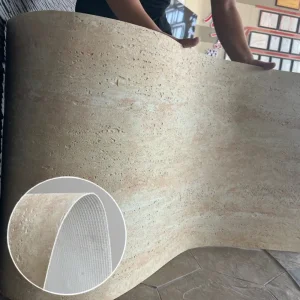
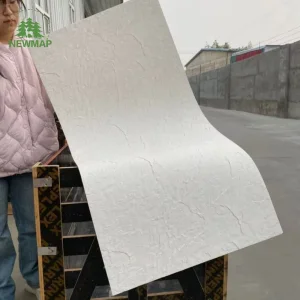
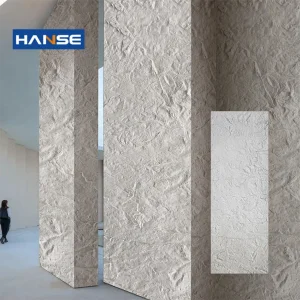
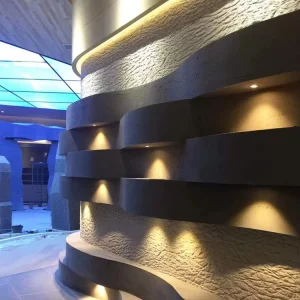
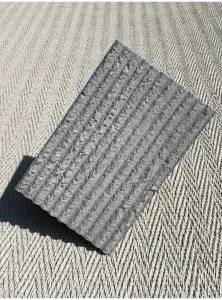
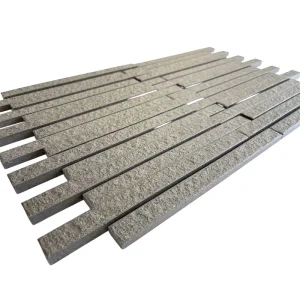
Enter Modified Clay Material (MCM) technology: a groundbreaking development in material science. Shandong Avenue Decor Co., Ltd. is introducing advanced MCM-based Flexible Wall Tiles to the Central African market. By fusing modified inorganic clay and sand with eco-friendly polymer binding matrices, we deliver a surface material that combines the organic, tactile essence of natural travertine, volcanic stone, split brick, and slate with a flexible, crack-resistant, and extraordinarily lightweight form factor. This page serves as a comprehensive structural guide to utilizing flexible wall tiles in commercial, civil, and residential developments across Central Africa.
Constructing in a landlocked nation like CAR means logistics are a critical factor in any design project. Materials imported via sea arrive at Cameroon's Port of Douala and undergo land transportation along the challenging Douala-Bangui overland corridor.
Heavy stone slabs and traditional ceramic tiles are prone to fracturing under the vibrations and shifts of overland transport, leading to material waste of up to 20-30%. Our flexible tiles solve this vulnerability. Being lightweight, impact-resistant, and packed in dense, protective layers, they achieve a near-zero breakage rate over thousands of kilometers.
Furthermore, Bangui’s tropical climate features cycles of heavy monsoon rains followed by high UV radiation. Traditional exterior paint fails rapidly due to moisture-induced peeling, while heavy ceramic tile facades run the risk of debonding due to thermal expansion. Flexible wall tiles allow the building envelope to breathe. Their water vapor permeability prevents internal condensation while their elastic matrix handles thermal contraction and expansion without cracking.
For developers, architects, and structural engineers in Central Africa, choosing cladding materials involves evaluating weight, structural load, longevity, and labor costs.
| Physical Property | MCM Flexible Wall Tile | Natural Stone Veneer | Traditional Ceramic Tiles | |
|---|---|---|---|---|
| Areal Density / Weight | 3.5 - 5.0 kg/m² (Highly Light) | 35.0 - 60.0 kg/m² (Heavy) | 18.0 - 25.0 kg/m² (Medium-Heavy) | |
| Flexibility & Bending | Excellent elasticity; wraps curved surfaces | Brittle; breaks under stress | Rigid; zero flexibility | |
| Installation Adhesive | Polymer-modified tile cement (thin bed) | Heavy anchoring / wet-mortar backfill | High-strength cementitious mortar | |
| Logistics Efficiency | Maximized container loading; zero transit loss | High freight fees; significant weight restriction | Fragile; high breakage rate during transport | |
| Moisture Breathability | Permeable to vapor; prevents mold | Low-medium permeability | Non-permeable; prone to water trapping |
Established in 2000, Shandong Avenue Decor Co., Ltd. has developed into an industry-leading manufacturer and exporter of wood-plastic composites (WPC), premium plywood, and high-tech architectural materials like MCM flexible stone. Located in Linyi City, Shandong Province, China, our manufacturing facilities span over 56,000 square meters and are run by a team of 500+ professionals.
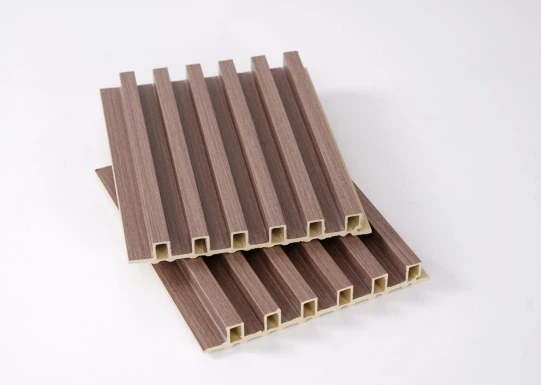
With more than 30 advanced automated extruding and laminating lines, we process premium raw materials to achieve an annual output worth over $100 million USD. We strictly adhere to international quality management guidelines and hold certifications including CE, ISO, FSC, AS/NZS, and CARB/TSCA compliance. We support our Central African clients with comprehensive end-to-end services, ranging from custom sample color-matching to specialized logistics planning.
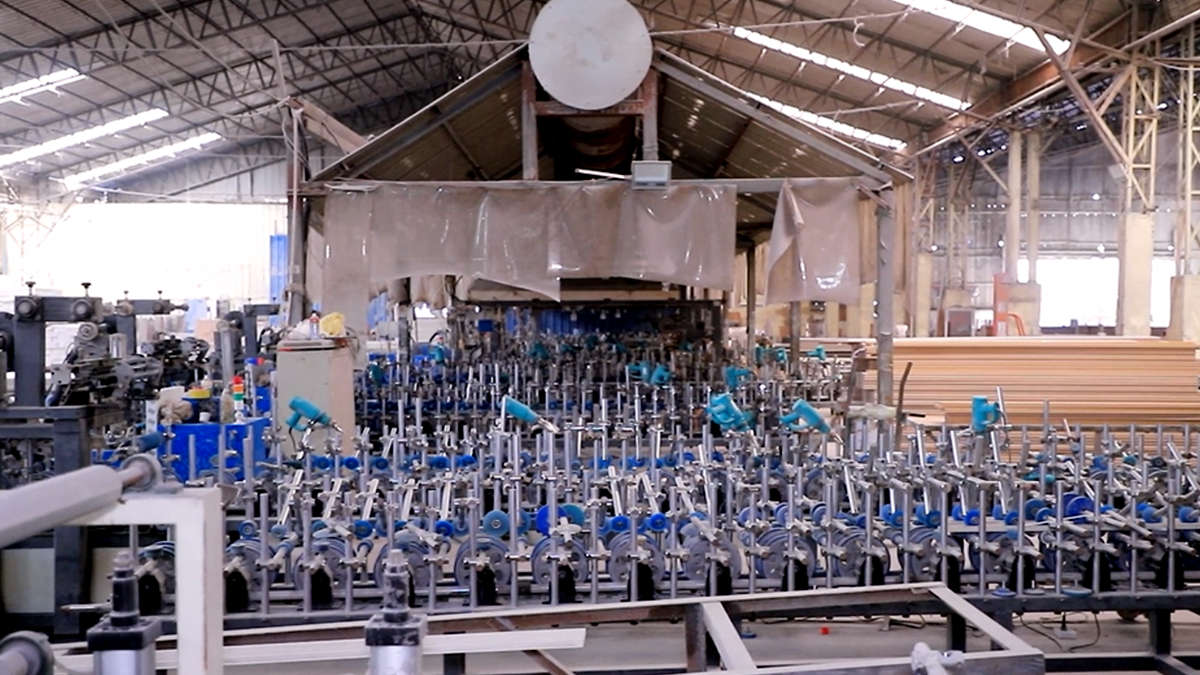
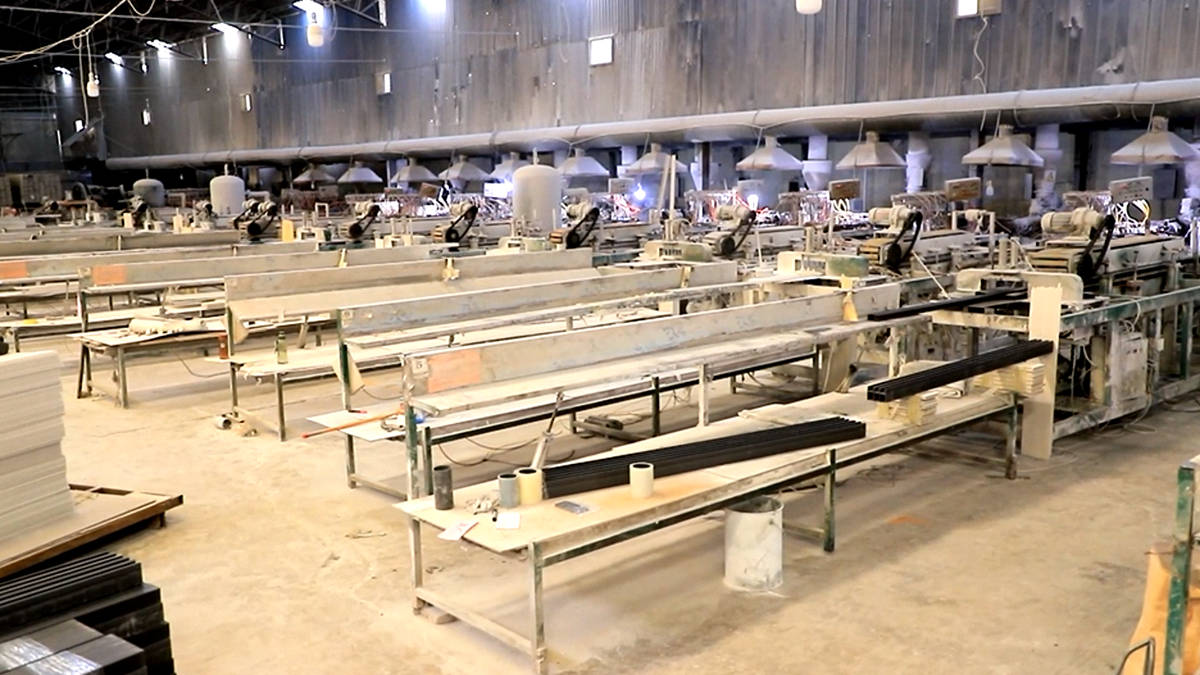
Every flexible wall tile undergoes automated extrusion, precise thermal lamination, and aging tests to ensure long-term durability in high-humidity, high-UV environments.
Natural quartz sand, basalt dust, and red clay are pulverized and combined with eco-friendly water-soluble polymer agents. This matrix gives the tile its core flexibility and structure.
The compound is fed into automated extrusion channels. The natural mineral pigments are distributed to recreate realistic stone veining and brick textures.
Using low-temperature thermal molding, the sheets are bonded under high pressure, maintaining polymer stability while preserving the natural texture of the stone.
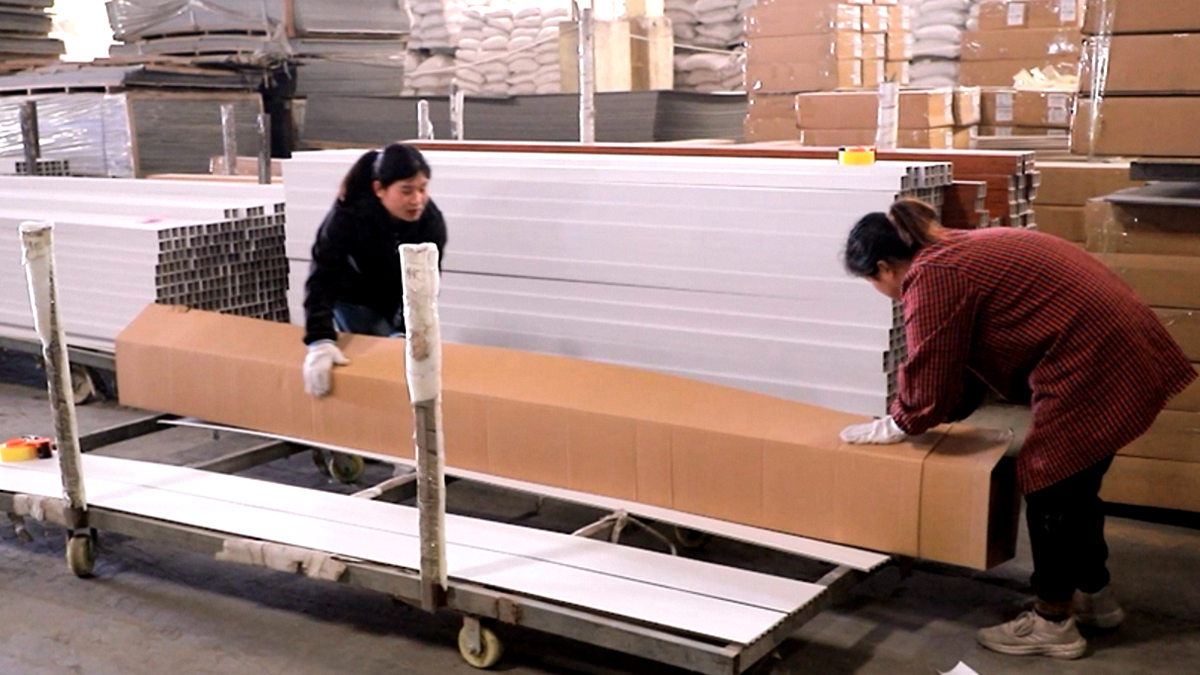
Tiles undergo dimensional checks, flexibility testing, and water resistance validation before being packed into impact-resistant crates for global transit.
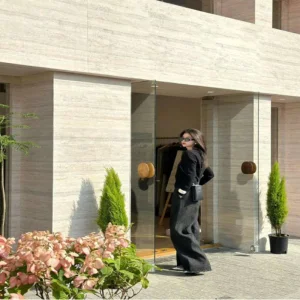
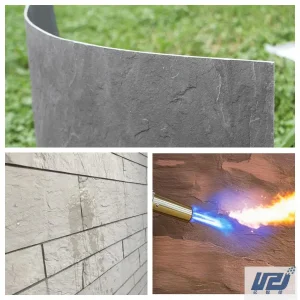
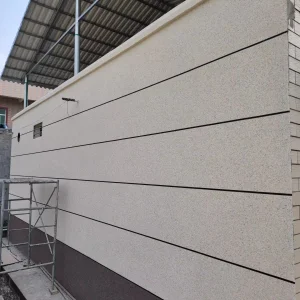
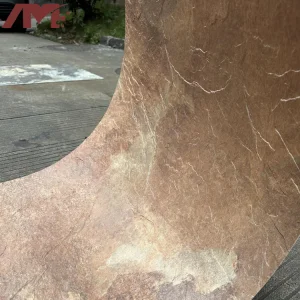
Take a look inside Shandong Avenue Decor Co., Ltd.’s manufacturing stages. Every step—from sourcing raw materials to extrusion, thermal lamination, and custom packaging—is optimized for reliable performance.
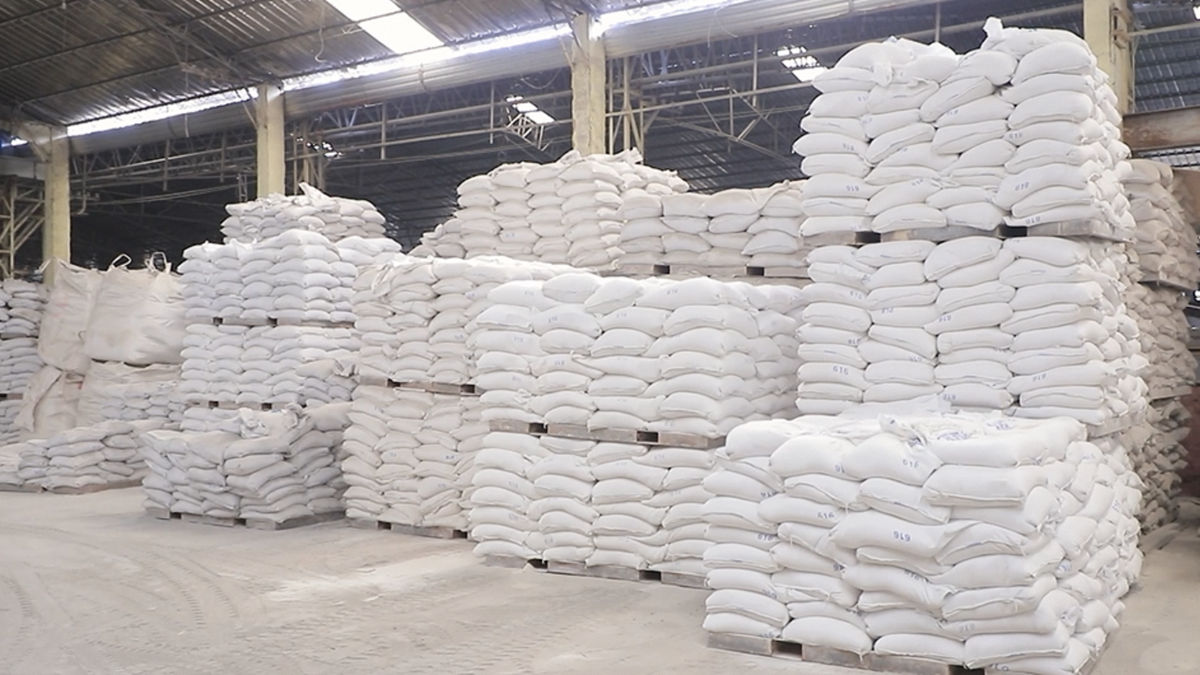
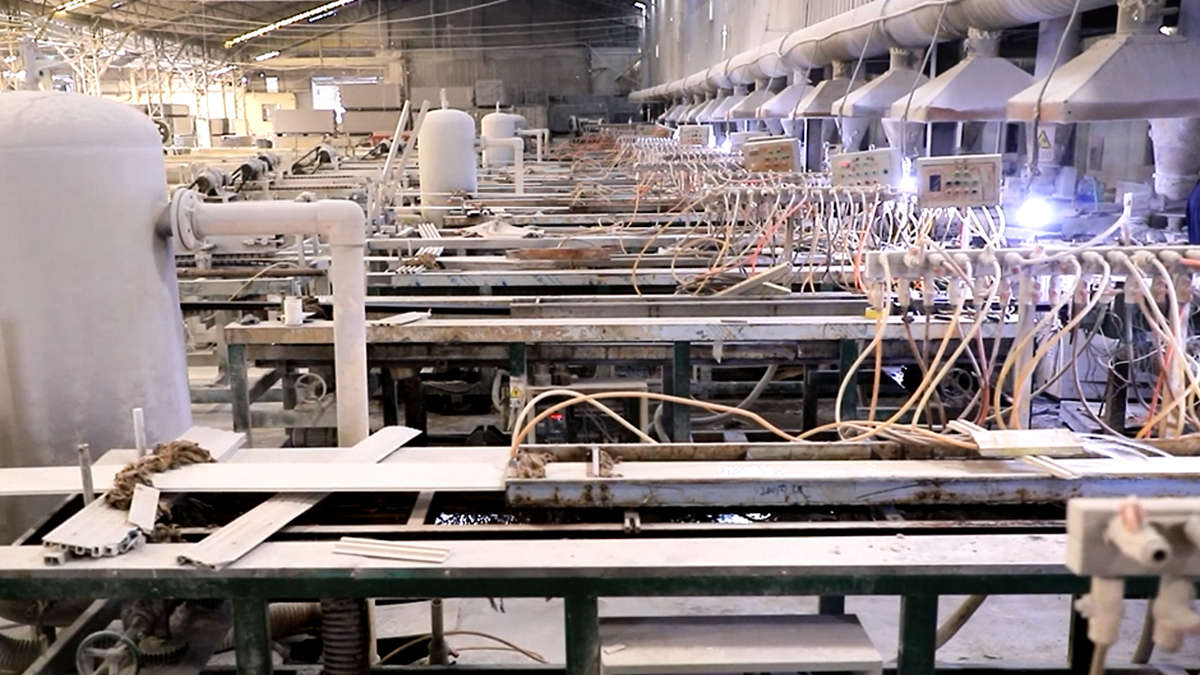
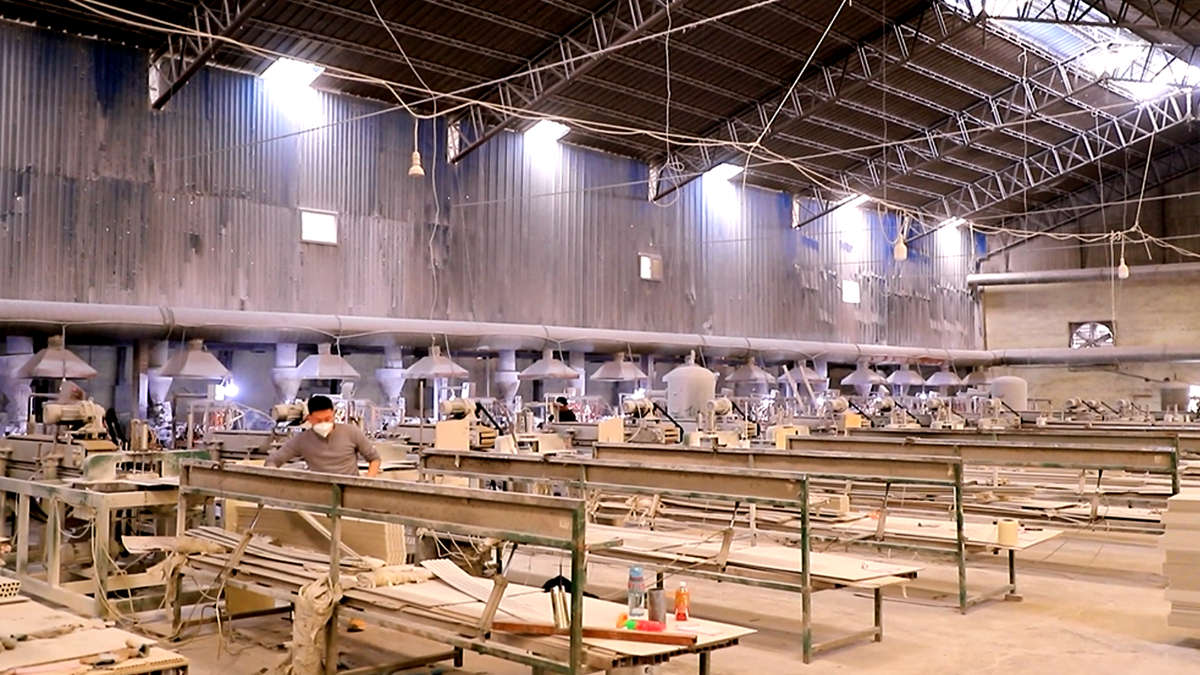
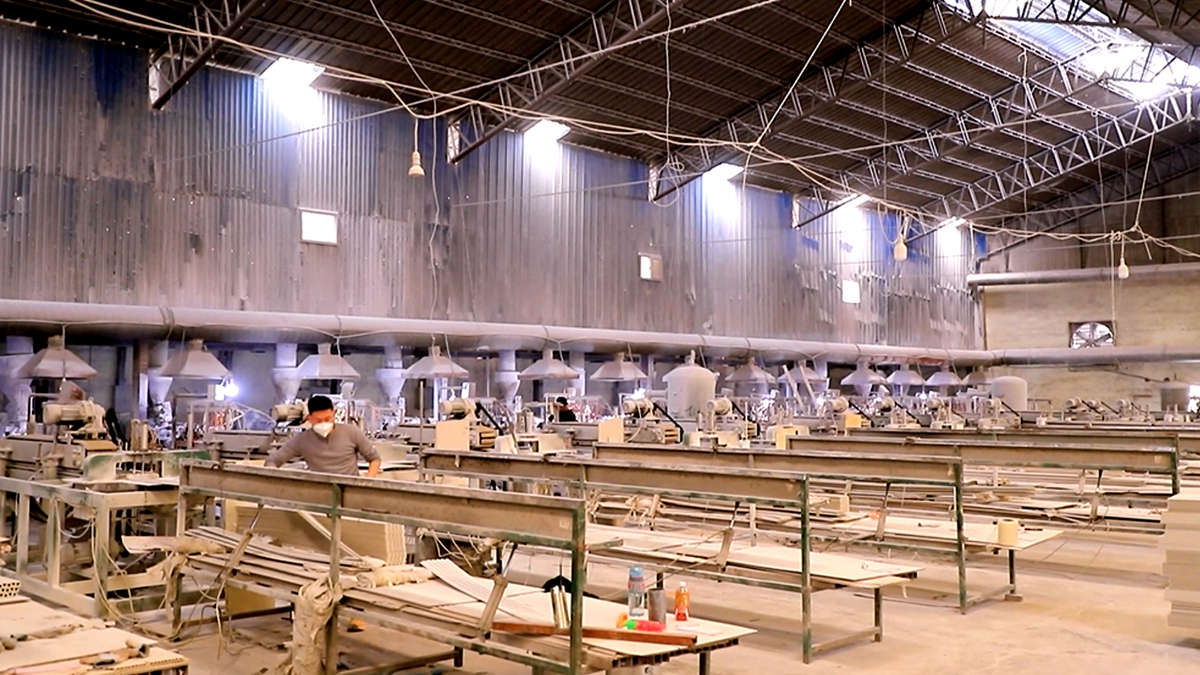
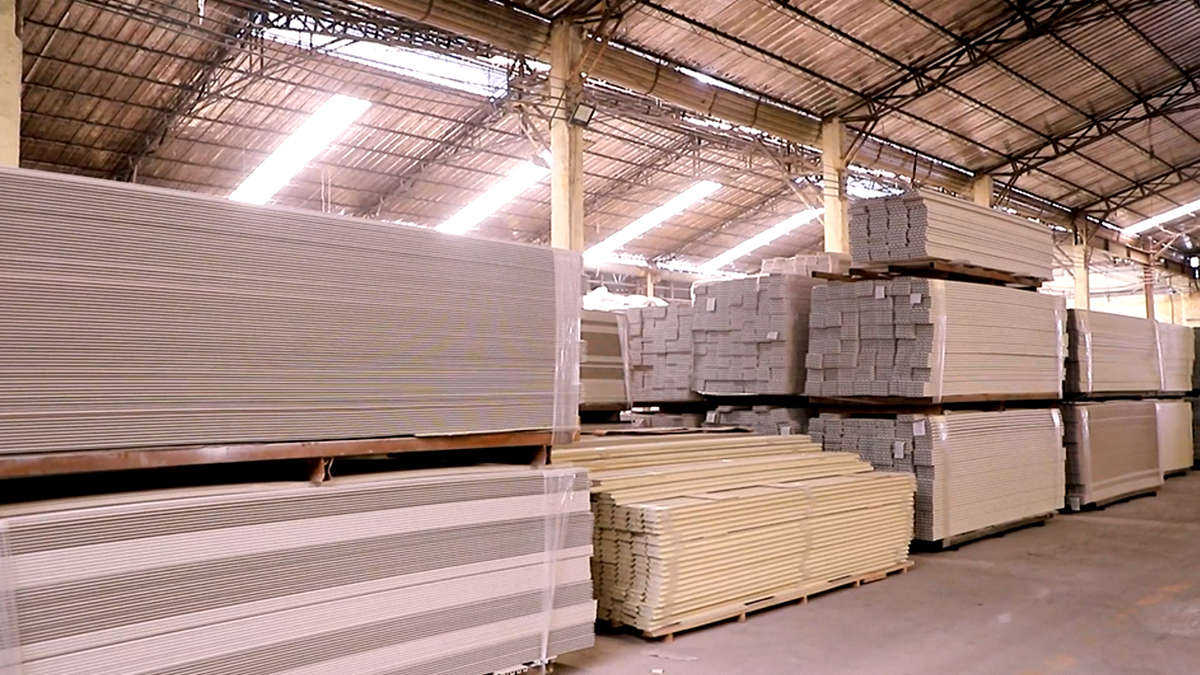
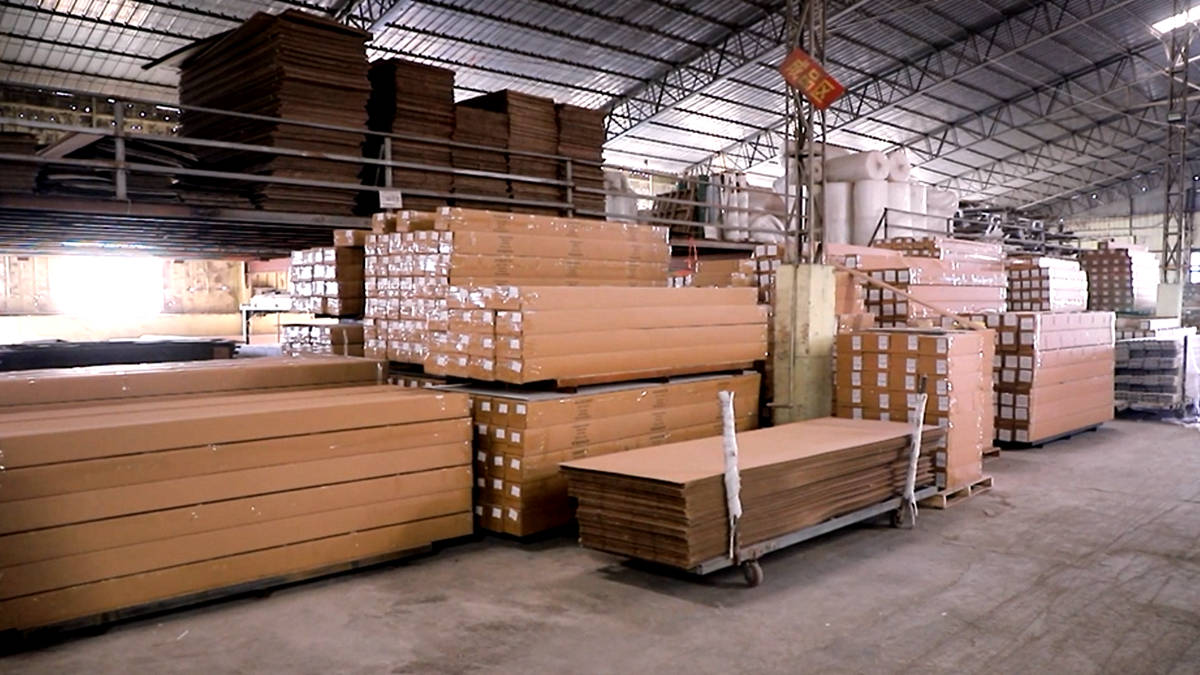
Shandong Avenue Decor Co., Ltd. supplies construction projects in more than 70 countries and regions across Europe, the Americas, the Middle East, and Africa. For the Central African Republic market, we provide direct port-to-port and inland-coordinated logistics solutions.
Our dedicated team coordinates with shipping agencies to optimize routes from Qingdao Port directly to Douala, Cameroon. We manage transit documentation, export customs clearance, and ensure the cargo is packaged in heavy-duty crate assemblies. This approach helps minimize delays and ensures materials arrive on site in Bangui, Bimbo, or other regional destinations in optimal condition.
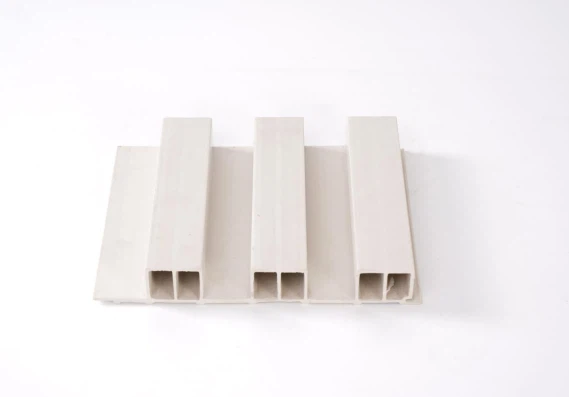
To ensure a durable installation, our engineering department recommends following these installation guidelines for tropical, high-humidity environments.
Ensure the base wall is completely flat, structurally sound, and clean. For exterior brick or concrete blocks common in CAR, apply a leveling cement plaster layer and allow it to dry fully to prevent trapped moisture.
Use a polymer-modified tile adhesive rated for outdoor use. For high-humidity areas, we recommend a C2TE-class cementitious adhesive to guarantee adequate bond strength and flexibility.
Leave a minimum joint spacing of 2-3mm between tiles to accommodate thermal expansion. Use a water-resistant, flexible grout compound to prevent rainwater from penetrating behind the cladding.
Get in touch with our engineering and logistics team for pricing, technical datasheets, and custom sample requests.