Avenue Decor
Avenue Decor
Avenue Decor
Engineered to withstand coastal humidity, salt corrosion, and structural shifting in Northern Vietnam's premier port city.
Hai Phong, Northern Vietnam’s primary port city and economic engine, is undergoing an unprecedented industrial expansion. Driven by major economic zones like DEEP C Industrial Zones, Trang Due Industrial Park, and the Dinh Vu-Cat Hai Economic Zone, the region has attracted multi-billion-dollar investments from global high-tech manufacturers, logistics operations, and heavy chemical industries.
However, this massive growth presents architectural challenges. The coastal geography of Hai Phong subjects buildings to harsh environments: constant high humidity, heavy monsoon downpours, high salinity air, and typhoons. Conventional exterior materials such as natural stone cladding, exterior paints, and traditional ceramic tiles present significant long-term failure rates. Stone claddings risk detaching under structural deformation, paint peels due to moisture retention, and ceramic tiles suffer from cracking and thermal expansion fractures.
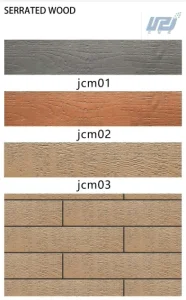
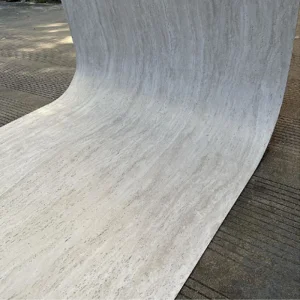
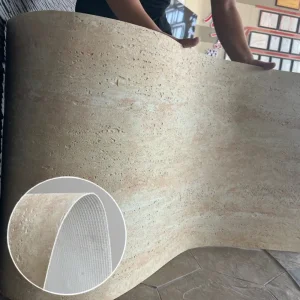
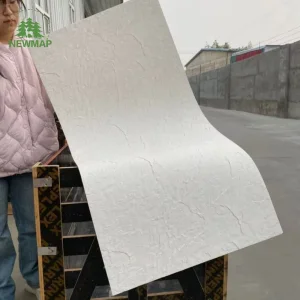
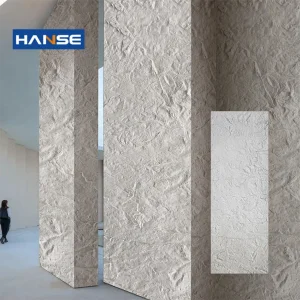
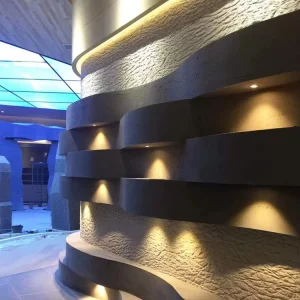
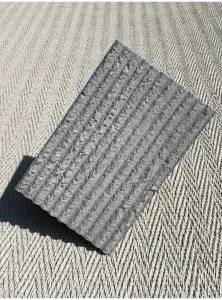
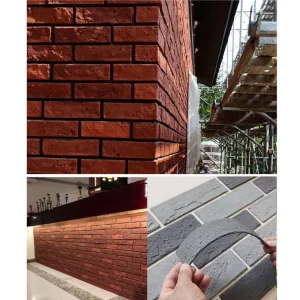
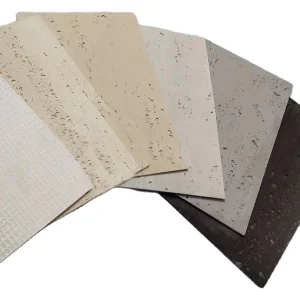
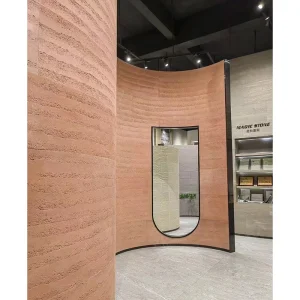
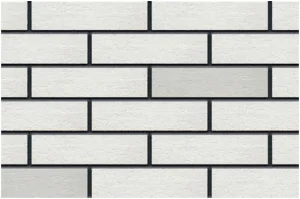
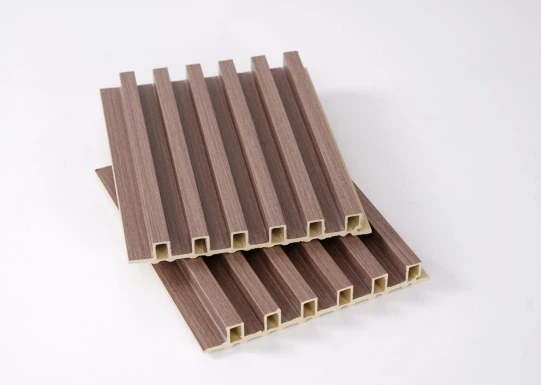
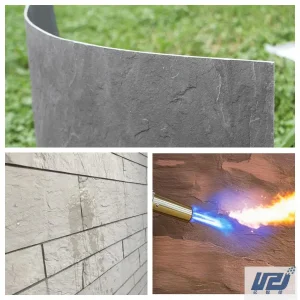
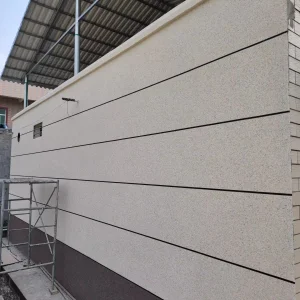
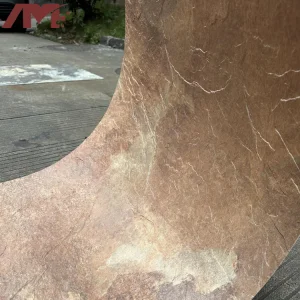
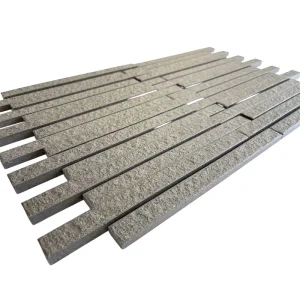
Introducing Modified Clay Material (MCM) Flexible Tiles—the next-generation green building cladding engineered to resolve these challenges. Combining the visual authenticity of natural slate, travertine, marble, wood, and brick with thin, lightweight, and pliable qualities, MCM tiles deliver superior performance in coastal industrial developments.
By shifting from heavy materials to thin, flexible stone veneers, developers in Hai Phong can optimize structure loads, shorten building cycles, and achieve energy conservation goals required by Vietnam’s green building regulations (VGB/LEED).
Understanding how Modified Clay Materials outperform traditional cladding systems in modern construction.
Designed specifically for maritime environments. The high saline density along the Gulf of Tonkin can cause traditional mortars and masonry to effloresce. MCM tile relies on polymer-modified adhesives and breathable textures that allow damp sub-surfaces to dry without peeling or cracking.
Land filled sites or coastal developments are prone to minor structural shifting. Flexible wall tiles offer a high modulus of elasticity, moving with the wall instead of cracking or detaching like heavy granite or brittle porcelain.
The manufacturing process of MCM tiles uses unfired low-temperature shaping, cutting carbon emissions by up to 80% compared to traditional ceramic kilns. This supports sustainable procurement mandates set by global enterprises operating in Vietnam.
Globally, the construction industry is transitioning to lightweight facades to reduce overall steel and foundation costs. For high-rise residential properties and commercial zones in Hai Phong, reducing the load from 40kg/㎡ (traditional stone) to 4kg/㎡ (MCM tile) changes structural engineering calculations. The result is safer structures, lower installation logistics costs, and speedier construction timelines.
As a leading supplier, Shandong Avenue Decor Co., Ltd. integrates Industry 4.0 smart manufacturing to provide consistent quality for large-scale international projects. Our production lines combine precise automated raw material batching with computer-controlled curing processes. This ensures color consistency, thickness uniformity, and optimal flexible properties across every batch.
We operate in Linyi City, Shandong Province—a major hub for raw material logistics and manufacturing efficiency. With over 30 advanced production lines and an annual output value exceeding 100 million USD, our factory ensures short lead times, stable supply lines, and consistent delivery directly to the port of Hai Phong (Chua Ve, Tan Vu, or Lach Huyen Terminals).
From industrial zones to high-end coastal resorts, MCM tiles address specific regional architecture requirements.
For manufacturing plants and warehouses in DEEP C and Trang Due, the exterior facade must withstand acidic rainfall from heavy industrial outputs and marine atmosphere corrosion. MCM flexible tiles provide a clean, modern aesthetic that is corrosion-proof and easy to maintain.
Wind loads on high-rises in Hai Phong can be severe during typhoon season. The ultra-light profile of flexible clay tiles significantly decreases the hazard of falling facade components. The strong adhesive bond resists extreme wind pressures.
With destinations like Do Son Beach and Cat Ba Island undergoing modernization, eco-tourism projects require natural-looking finishes. MCM flexible travertine and wood tiles offer the visual appeal of natural stone and timber without structural load issues or deforestation concerns.
Pioneering Architectural Facade Materials and Wood-Plastic Composites Since 2000
Established in 2000, Shandong Avenue Decor Co., Ltd. has evolved with the market to become a leading enterprise in the plywood, wood-plastic composite (WPC), and flexible wall cladding industries. Located in Linyi City, Shandong Province, China, our manufacturing facilities span over 56,000 square meters and house more than 500 skilled professionals.
Equipped with 30+ advanced automated production lines, we export high-durability building materials to over 70 countries. Our product portfolio includes HPL plywood, commercial plywood, WPC wall panels, outdoor flooring, and flexible stone tiles, generating an annual export volume exceeding 100 million USD.
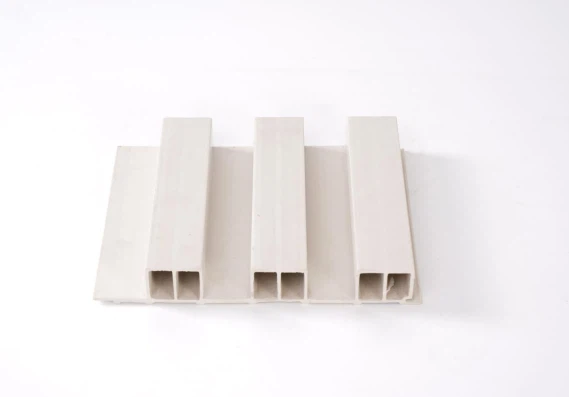
Strict compliance with global quality guidelines (CE, ISO, FSC, AS/NZS, CARB/TSCA)
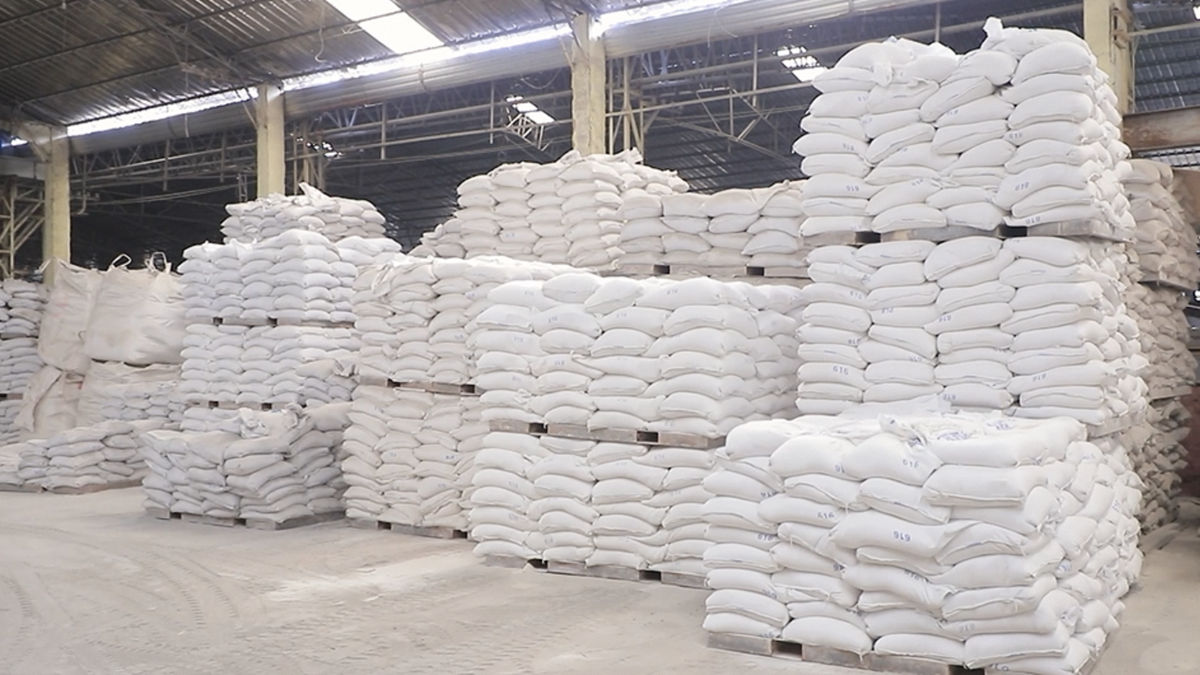
Selected natural clays, quartz sands, and eco-friendly polymers are meticulously formulated.
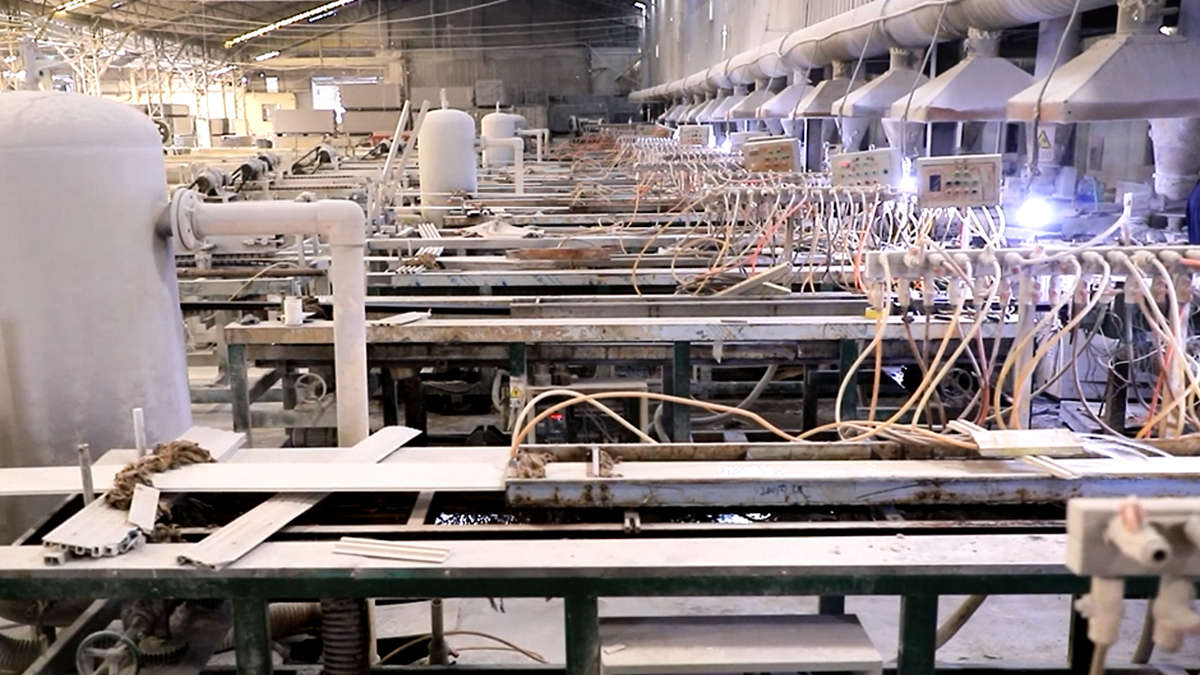
Advanced extrusion technologies mold the material mix under precise pressure parameters.
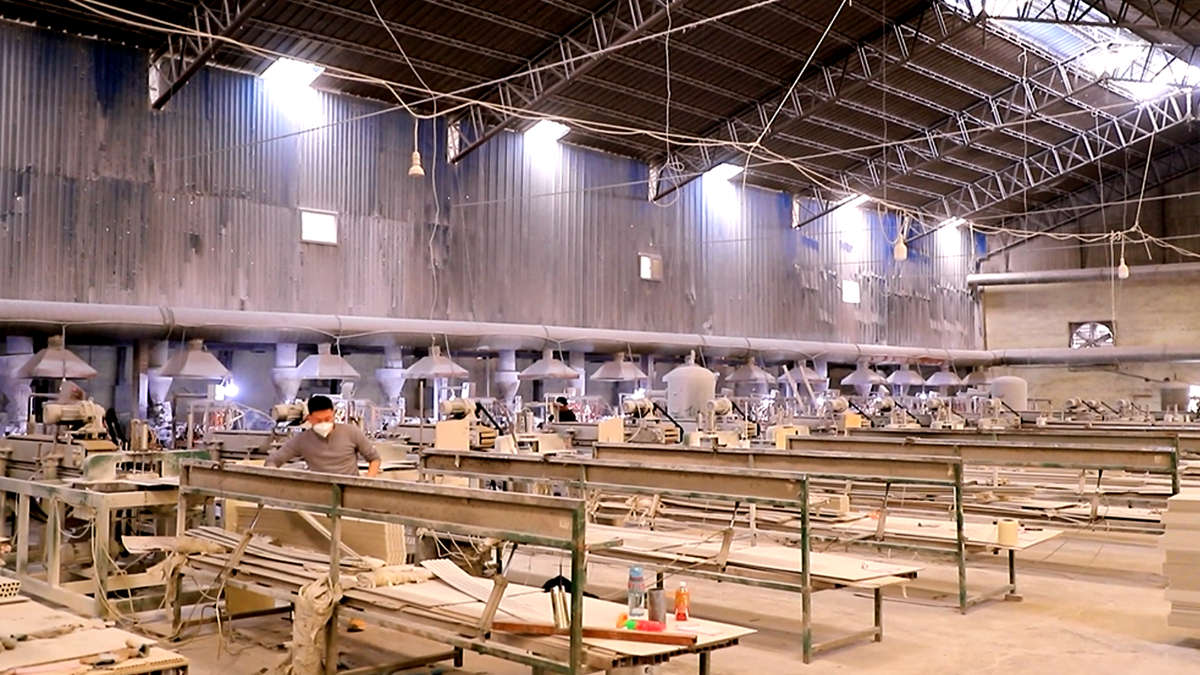
Pressing rolls form realistic stone, brick, or wood textures onto the warm compound sheet.
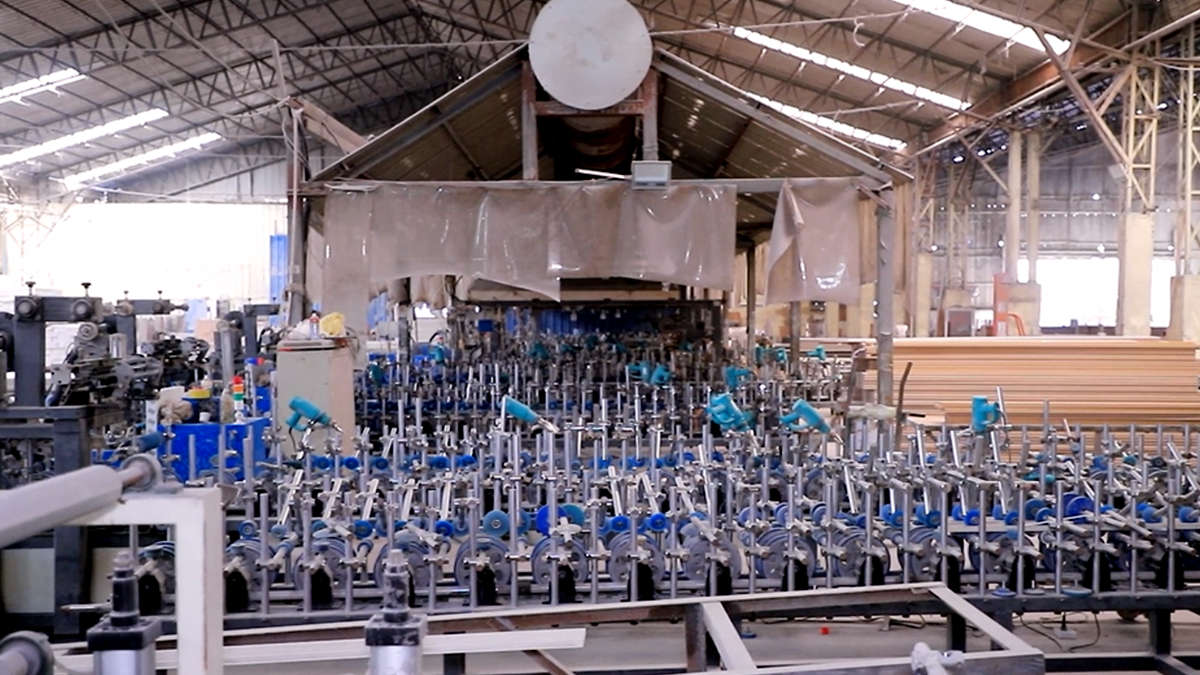
Polymer links are thermally cross-linked under controlled heat to lock in flexible durability.
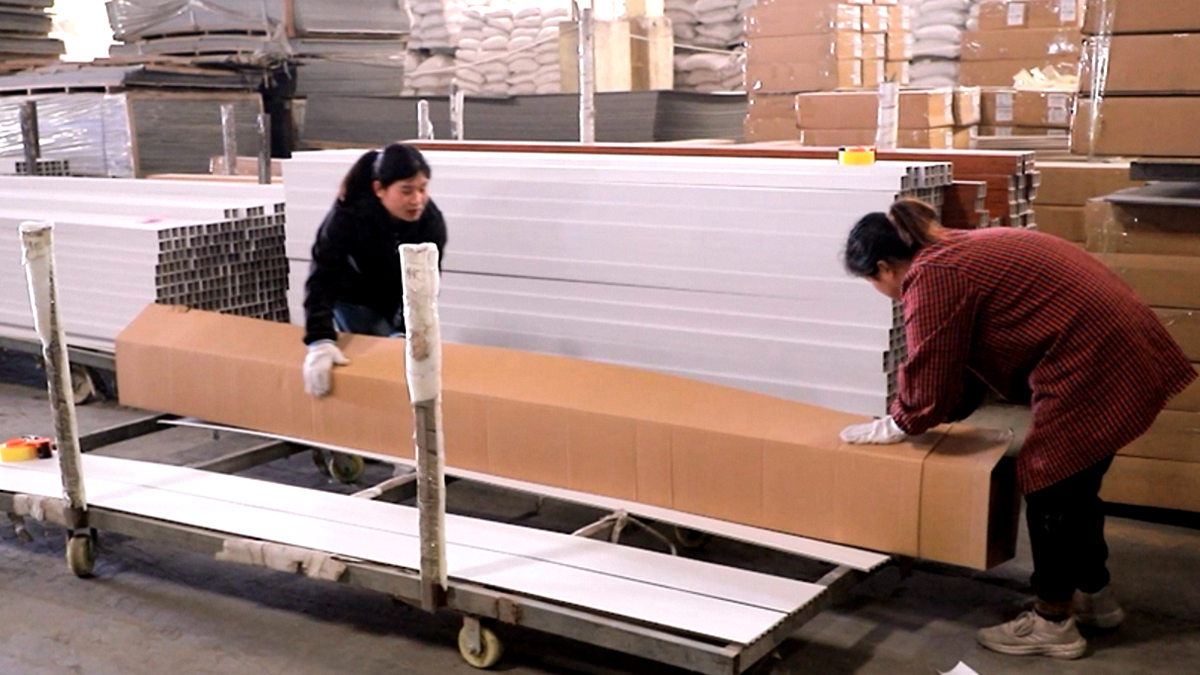
Strict inspection of thickness tolerance, flexibility radius, and color consistency.
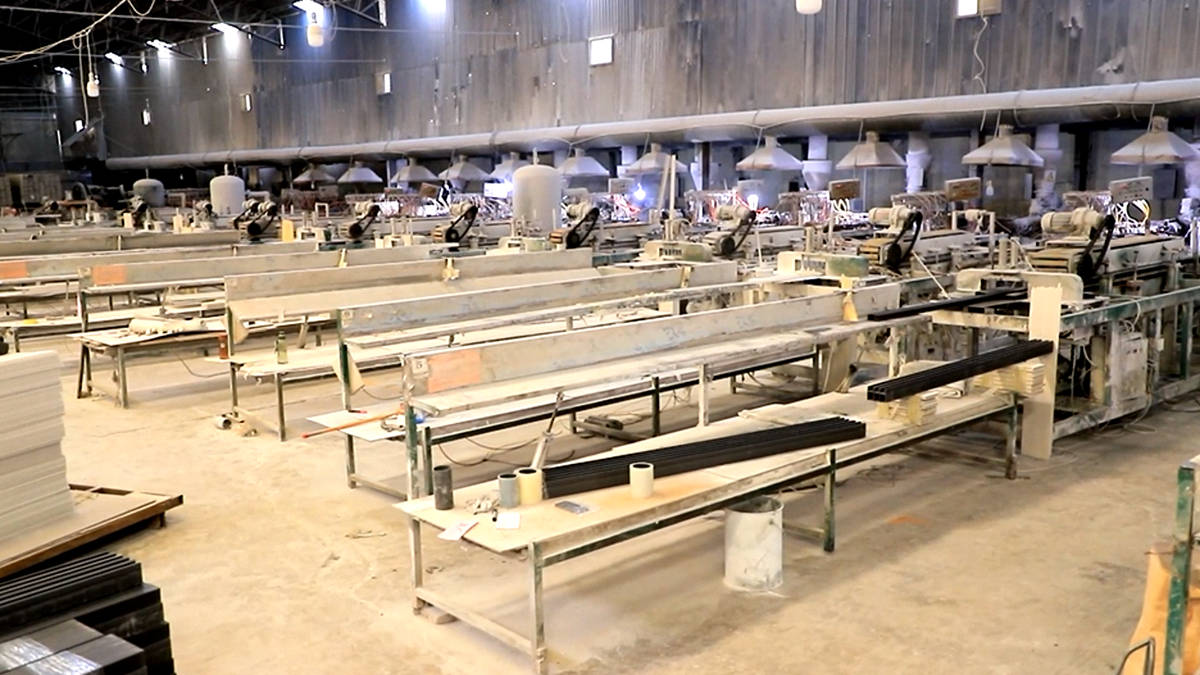
High-capacity automated output lines ensuring fast turnaround times for bulk volume orders.
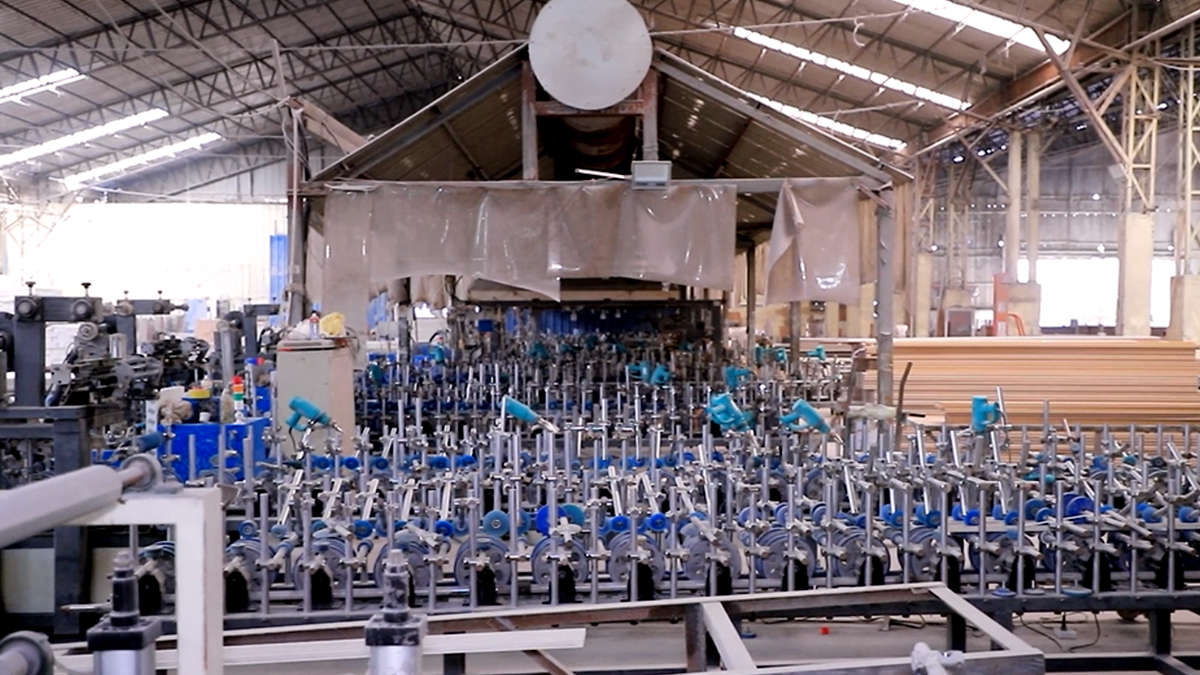
Ensuring stable bonding structures to prevent peeling or splitting in humid port zones.
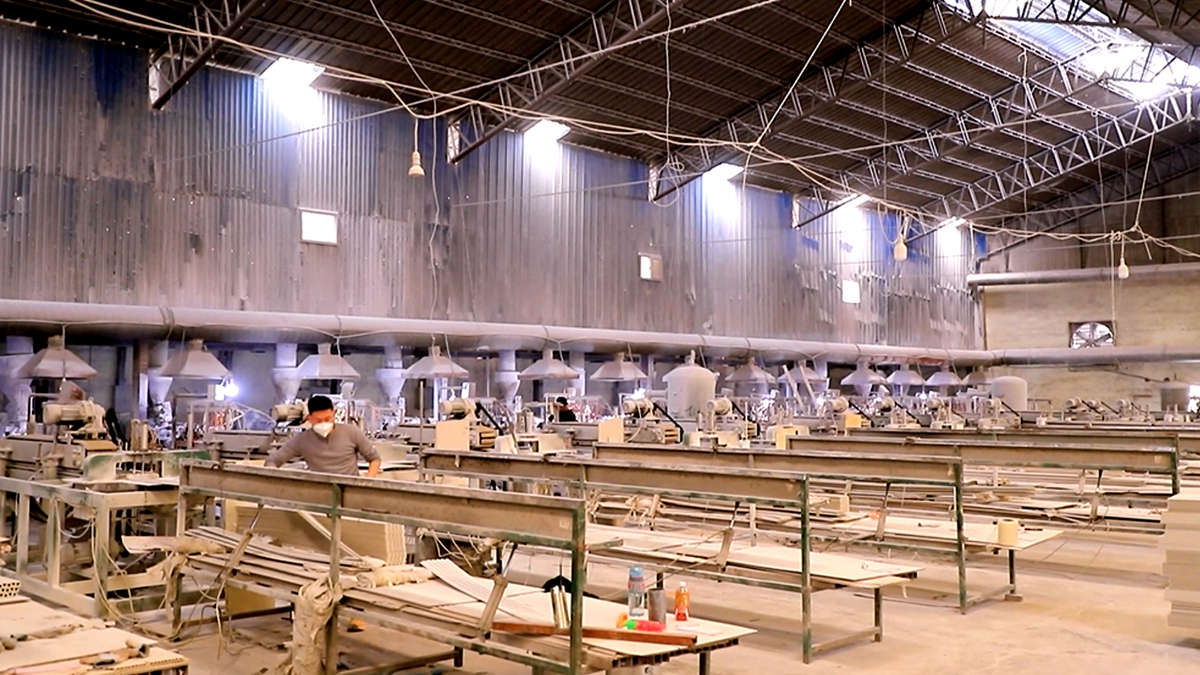
State-of-the-art milling systems ensure square tiles for fast alignment during installation.
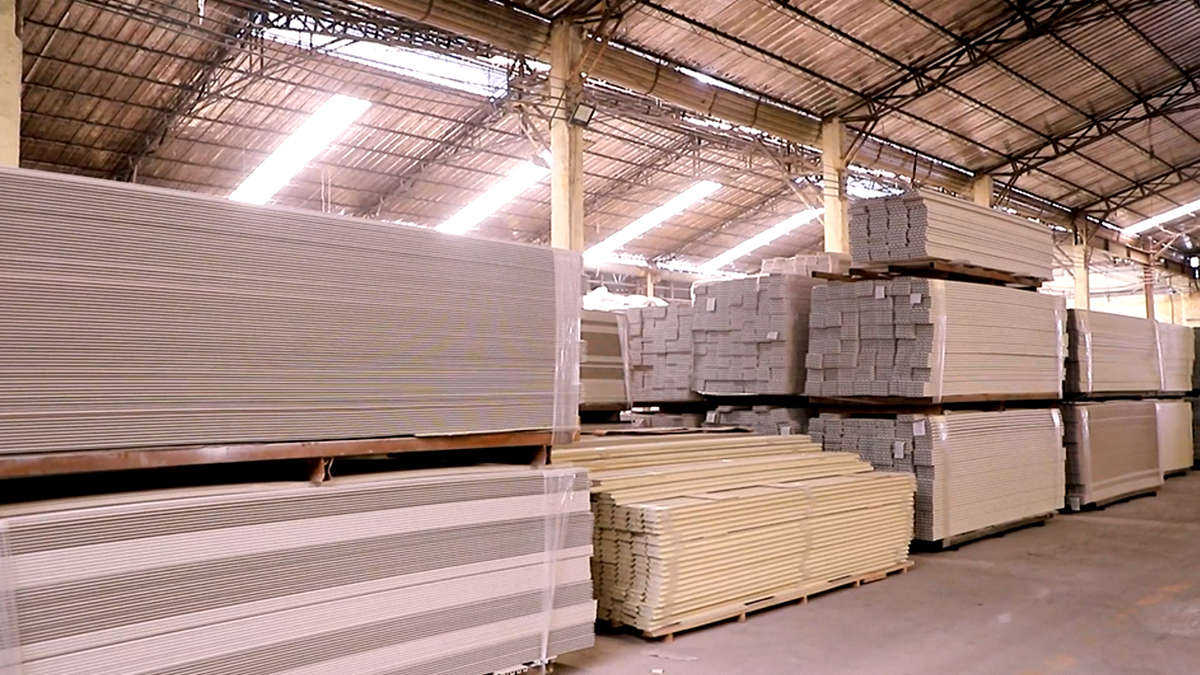
Safe, weather-protected inventory warehouses ready for immediate container loading.
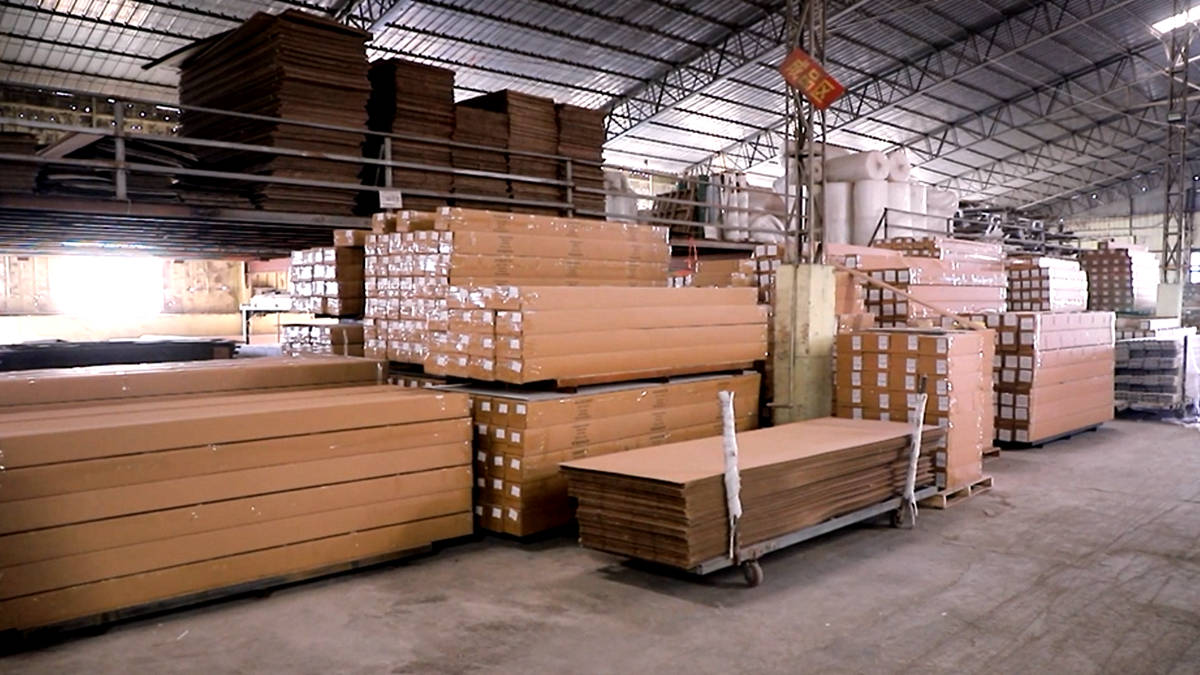
Seaworthy packaging engineered to protect corners during multi-modal transit to Hai Phong port.
Select from our certified range of lightweight MCM tiles suitable for interior and exterior applications.
Find answers to common questions regarding engineering properties, installation, and application suitability in Vietnam.
Contact our technical engineering team for raw material MSDS sheets, ASTM wind-load test certification data, free samples, and direct manufacturer pricing for Hai Phong and Northern Vietnam projects.