Avenue Decor
Avenue Decor
Avenue Decor
Explore our premium architectural composites featuring high insulation, moisture-resistance, and acoustic absorption technologies.
A technical review of modern structural components, polymer matrix optimization, and thermodynamic insulation benefits.
Modern architectural design is undergoing a paradigm shift. As developers and global contractors align operations with decarbonization mandates and stringent energy performance certificates, the selection of wall systems has moved beyond simple aesthetics to complex structural, thermodynamic, and bio-friendly standards. At the forefront of this evolution are Composite Wall Systems. By integrating lightweight polymeric substrates, recycled fiber reinforcements, and high-performance thermosetting interfaces, these systems solve traditional problems such as thermal bridging, structural weight loads, moisture infiltration, and fast degradation.
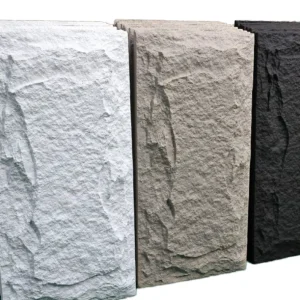
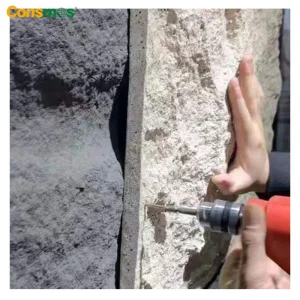
Understanding these materials requires analyzing their composition and structural physics. Unlike classic monolithic masonry or simple gypsum systems, a multi-layer composite board operates as a unified performance envelope. For example, our Lightweight PU Stone Wall Panels mimic the density and outward look of natural rock while reducing the dead weight on the structural frame by over 90%. This translates directly into reduced concrete foundation sizing, accelerated modular dry-construction cycles, and minimized logistics-related scope 3 emissions.
| Wall System Category | Primary Substrate Matrix | Acoustic Rating (STC/NRC) | Fire Classification (EN/ASTM) | Typical Applications |
|---|---|---|---|---|
| PU Stone Cladding | High-Density Polyurethane (PU) | STC ~32 (thermal/sound dampening) | Class B2 / Class B1 (customized) | Exterior rainscreen cladding, feature walls |
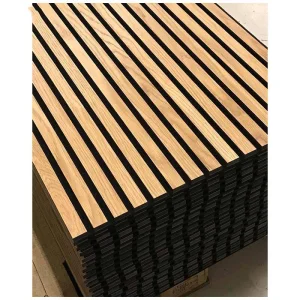
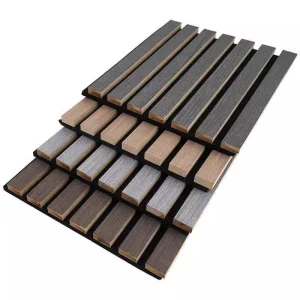
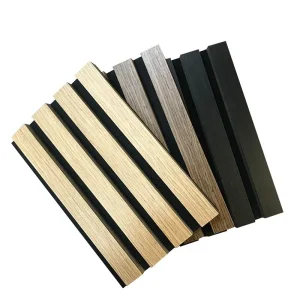
| Acoustic Wood Slat | PET Recycled Fiber + Bamboo/MDF | NRC up to 0.85 (with insulation cavity) | Class B1 Fire Resistant MDF options | Auditoriums, high-end offices, recording studios |
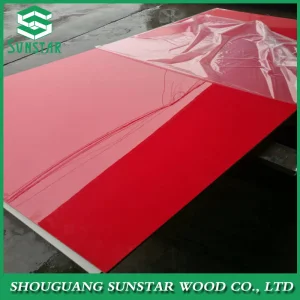
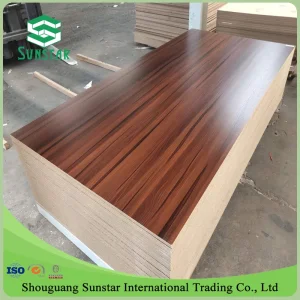
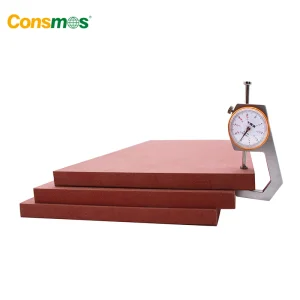
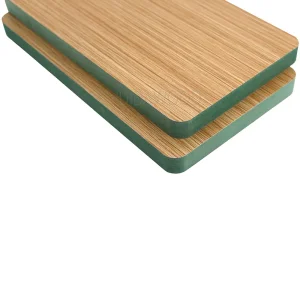
| Melamine faced MDF / HMR | High Moisture Resistant Wood fibers | STC ~28 | B1-Class Flame Retardant options | Commercial cabinetry, internal partition dividers |
| Bamboo Charcoal Panel | Co-extruded PVC / Carbon-Fiber foam | STC ~30 | EN 13501 Class B-s2,d0 | High-humidity zones, luxury interior design |
Pioneering the next stage of wall systems: smart integration, circular polymer chemistry, and extreme fire barrier designs.
The roadmap for composite wall development focuses on three main technological pillars: circular material loops, active thermodynamic control, and smart structural health monitoring. Traditional WPC and MDF manufacturing relied heavily on virgin binders. The future, however, belongs to bio-resins sourced from agricultural waste and plant-based lignin binders, moving production processes toward true carbon neutrality.
We are continuously investing in chemical engineering research to improve the flame-retardant properties of our wood-plastic and polyurethane systems. By integrating nano-clays and intumescent micro-capsules within the co-extruded outer cap layer, next-generation wall panels will achieve near-zero smoke toxicity indexes. Furthermore, the incorporation of thin-film phase change materials (PCMs) within the panel core will allow building envelopes to passively store and release heat, lowering heating, ventilation, and air conditioning (HVAC) energy consumption by up to 18% in commercial high-rises.
A trusted global leader in high-performance plywood, MDF, and Wood-Plastic Composite (WPC) engineering since 2000.
Established in 2000, Shandong Avenue Decor Co., Ltd. has evolved in lockstep with the structural wall cladding and decorative panel industries. What began as a regional plywood mill has transformed into a leading manufacturer and global exporter of high-grade wood-plastic composites (WPC), fire-retardant medium-density fiberboards (MDF), structural Marine Plywood, and lightweight exterior claddings.
Strategically headquartered in Linyi City, Shandong Province—the recognized timber processing capital of China—our operations benefit from a highly integrated supply chain, extensive raw material access, and efficient transportation links. Today, our products are installed in commercial developments, hospitality spaces, residential projects, and industrial complexes worldwide, delivering performance and aesthetics across global markets.
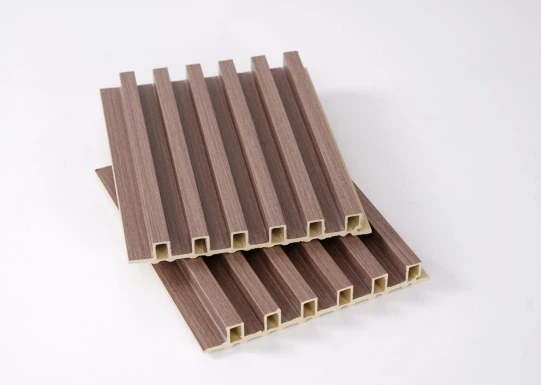
Over Two Decades of Engineering Experience
Advanced Industrial Production Complex
Extrusion, Lamination, & UV Coating Production Lines
Annual Value of Exported Goods
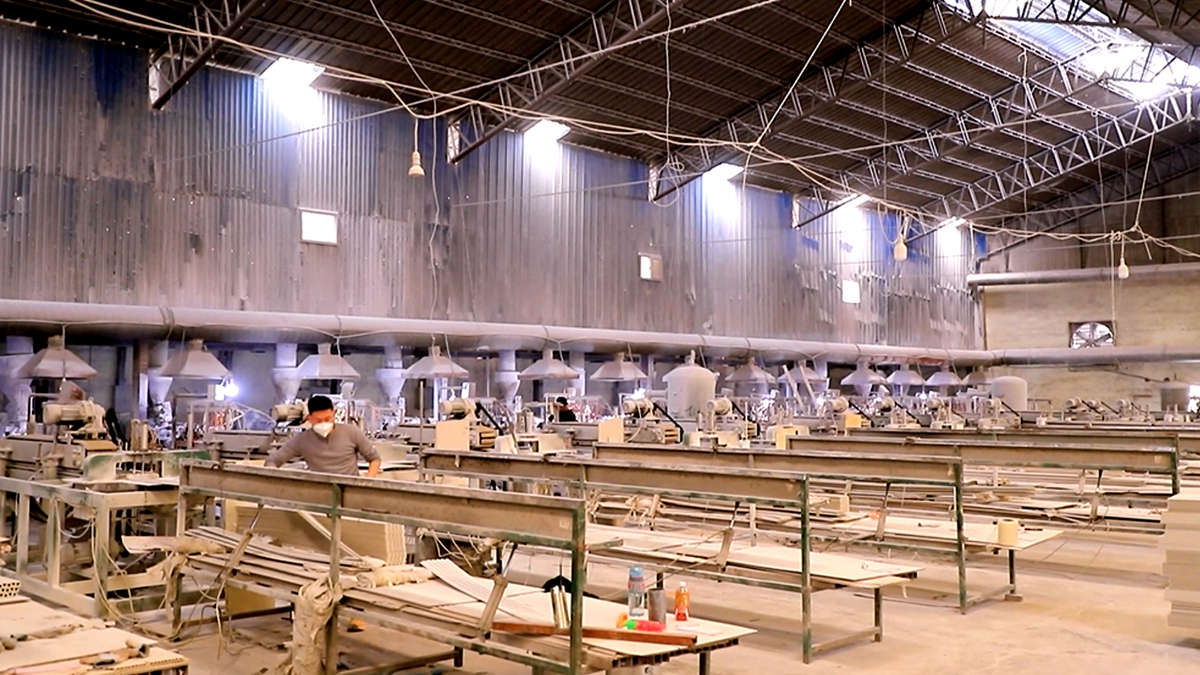
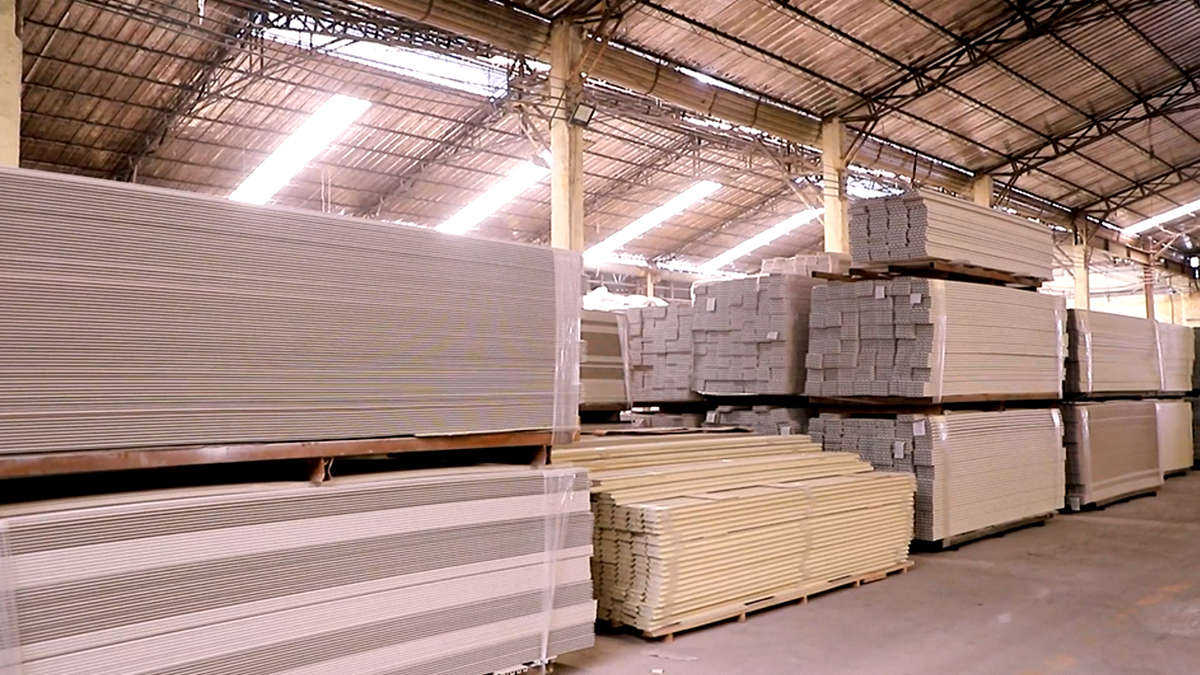
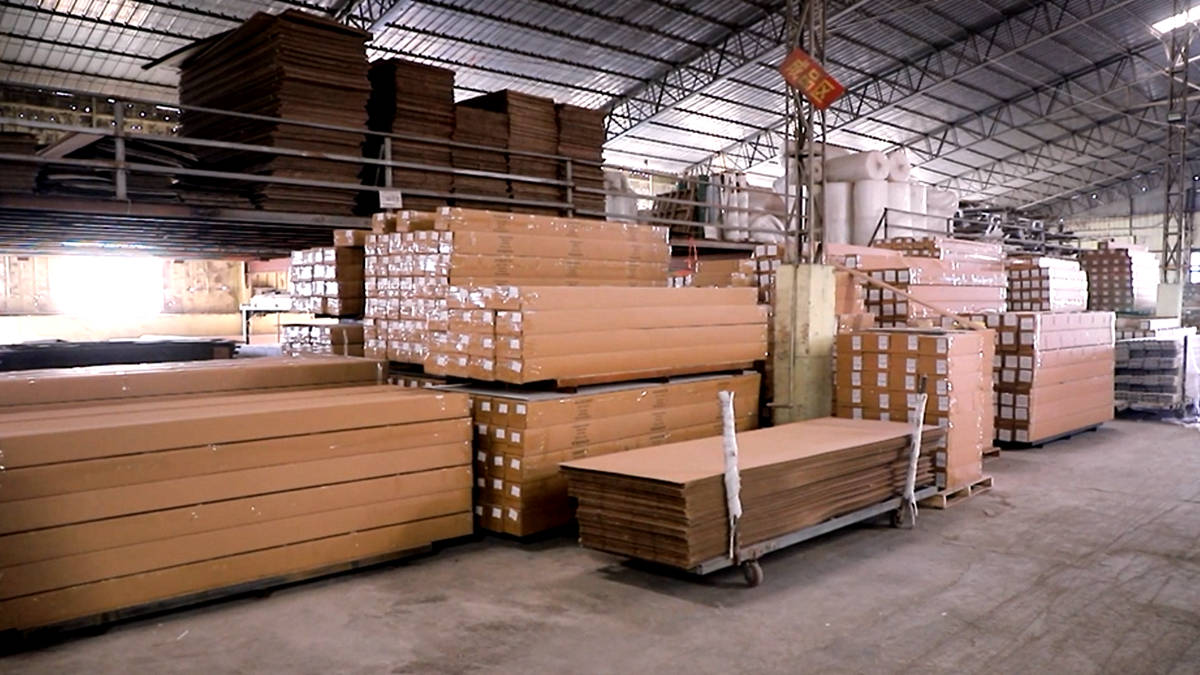
A look into our automated manufacturing facility, covering raw material calibration and automated packaging lines.
At our Linyi production facility, quality is maintained through systematic process control. With more than 500 skilled technicians operating over 51 automated lines (including advanced WPC injection molding machines, precision UV board forming equipment, and automated hot-press laminate units), we ensure dimensional consistency down to the millimeter. This structural setup enables high manufacturing speeds, allowing us to maintain a stable, resilient export pipeline even during volatile supply chain periods.
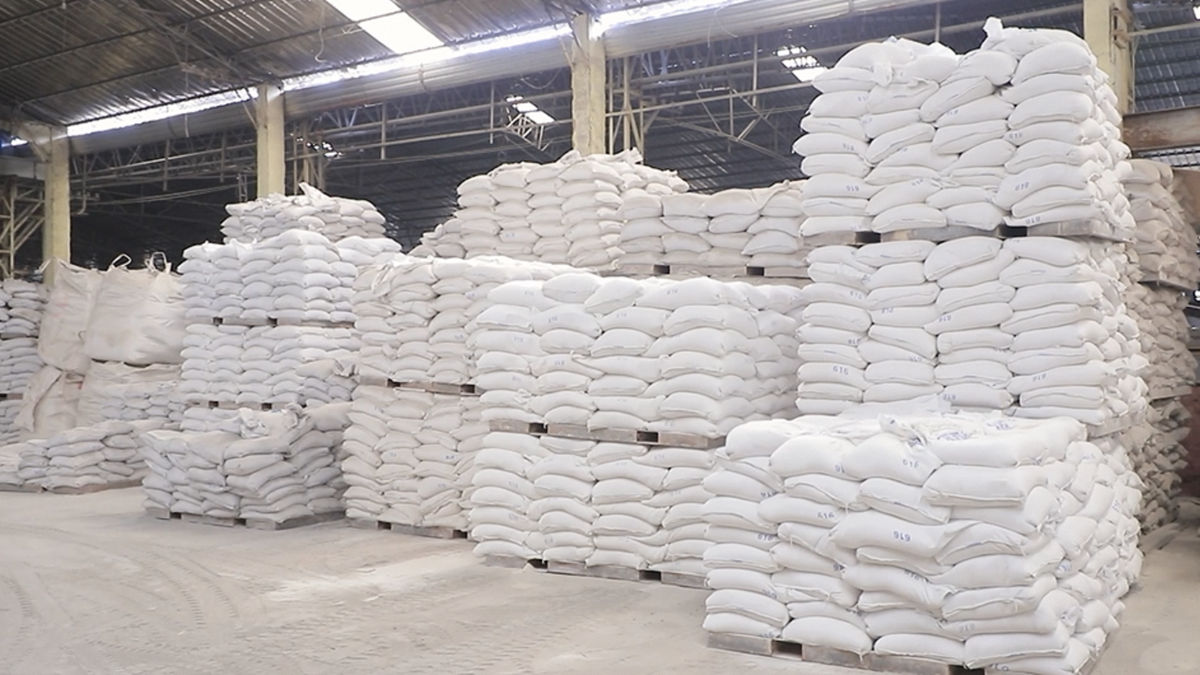
Timber logs and polymers are calibrated for moisture and density before entering the processing cycle.
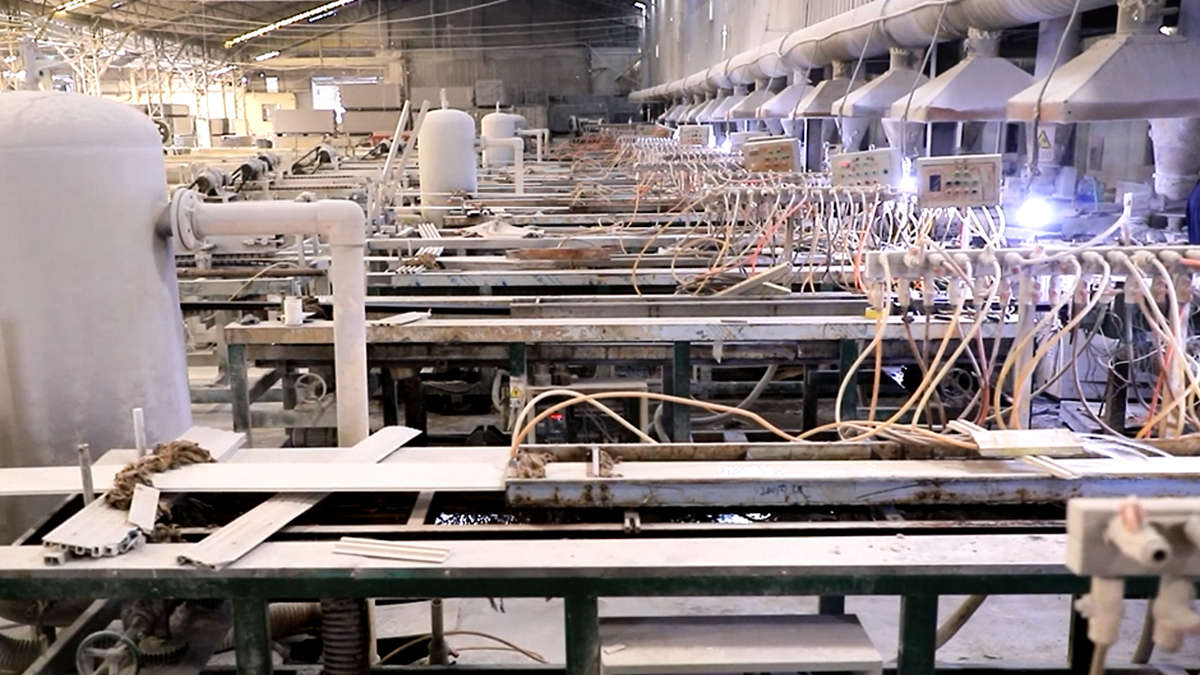
WPC substrates are extruded at controlled temperatures to maintain polymer chain integrity.
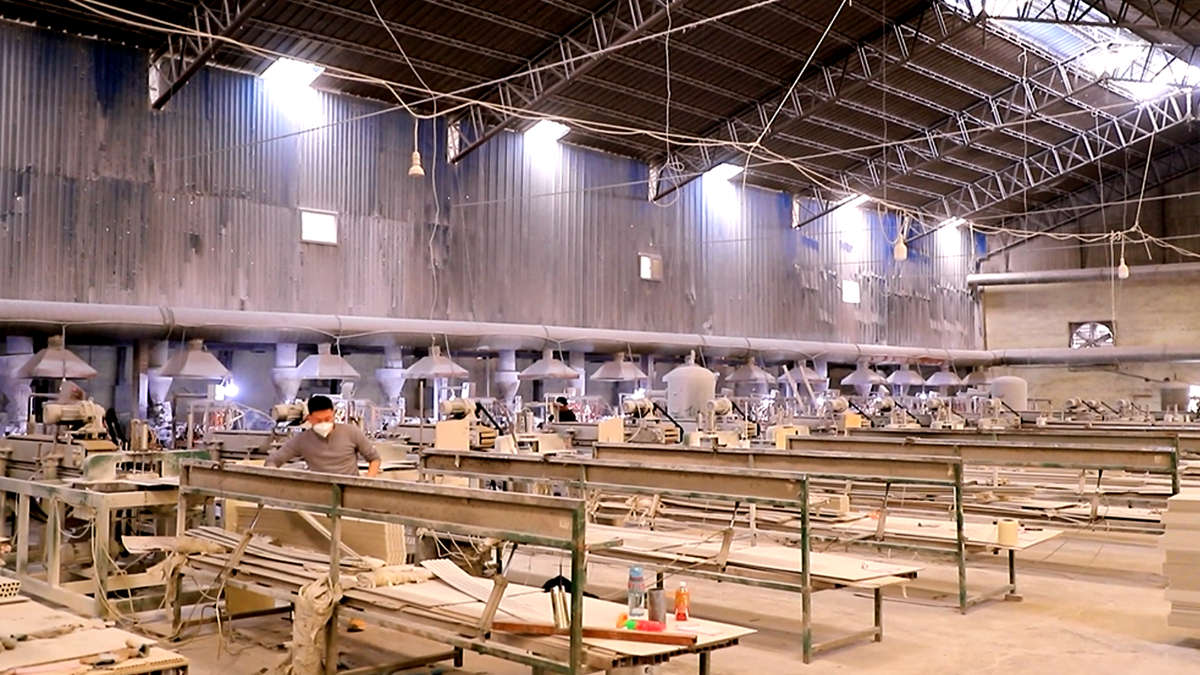
Profiles are cooled and calibrated under pressure to prevent thermal deformation and warping.
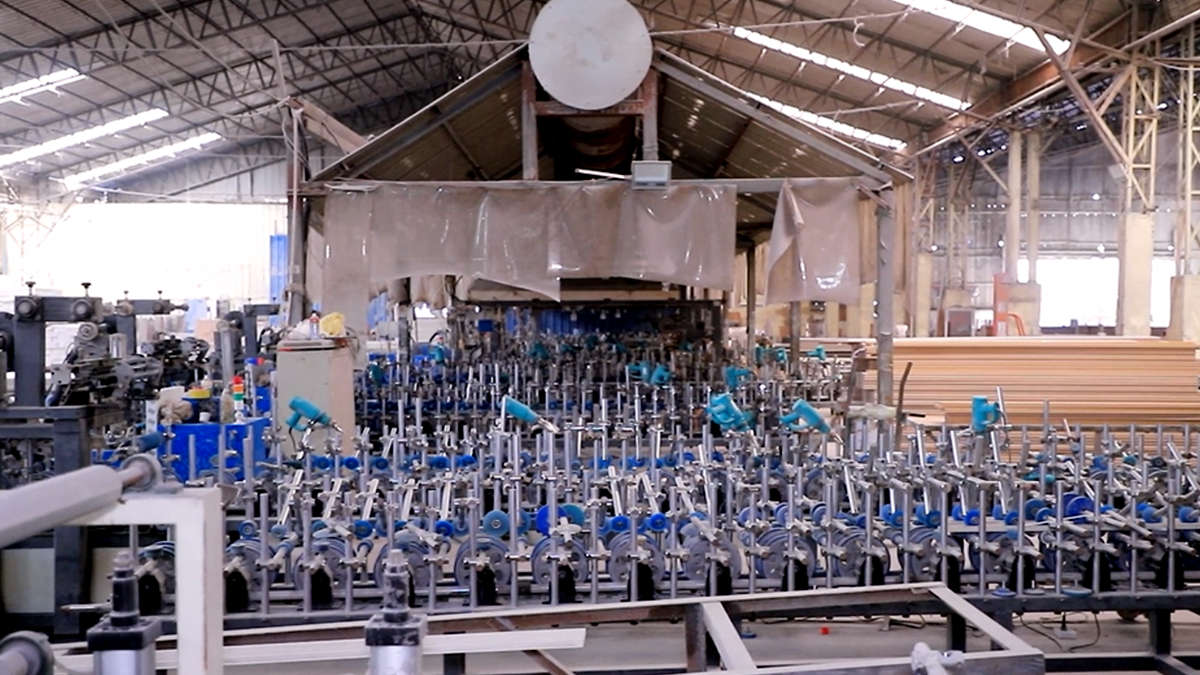
Applying realistic veneers and protective UV layers using high-performance polyurethane adhesives.
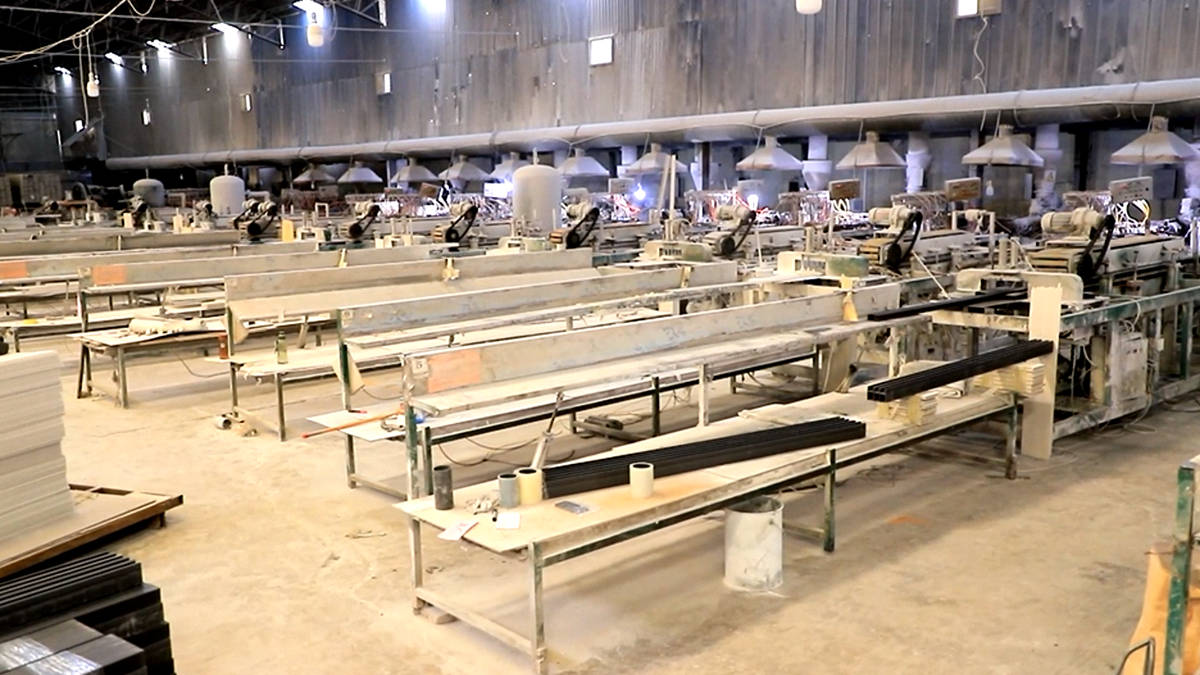
Integrated digital controls manage the speed of extrusion and cutting operations.
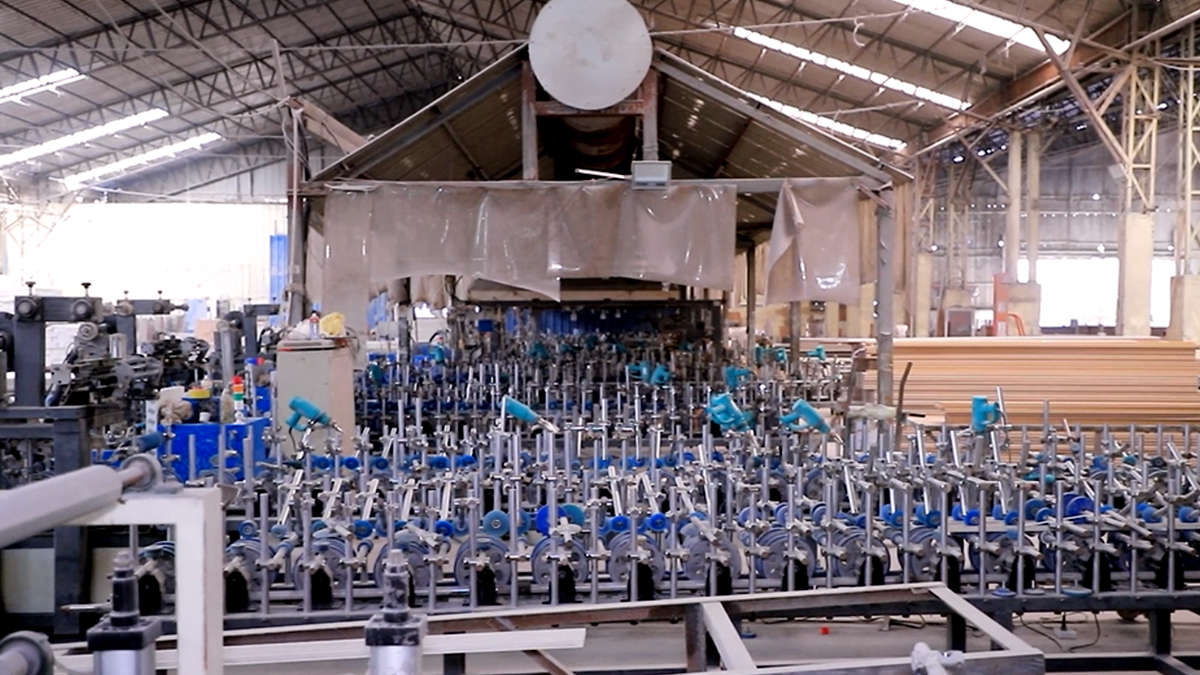
Decorative surfaces undergo treatment to improve scratch resistance and surface longevity.
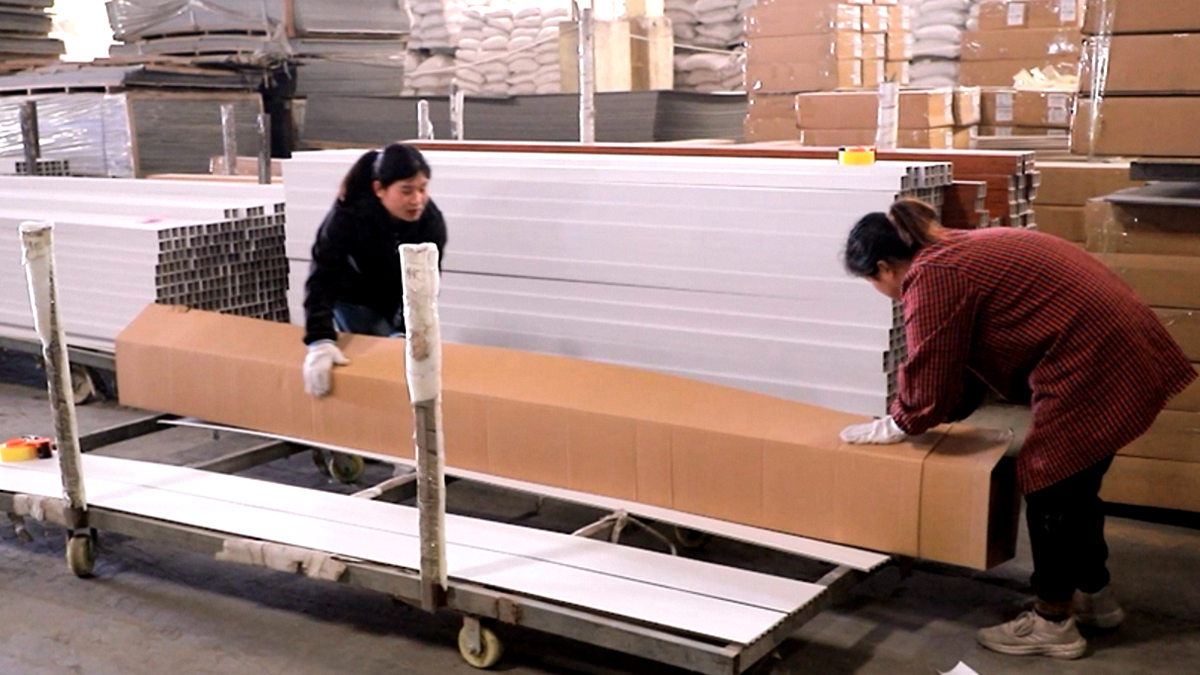
Products are packed with edge protectors and moisture barriers to ensure safe international transport.
Engineered panels designed for hospitality, healthcare, commercial spaces, and multi-family residential projects.
High-traffic corridors, resort lobbies, and luxury offices require durable wall solutions. Our Acoustic Wood Slat Panels and Bamboo Charcoal Wood Veneers combine natural wood aesthetics with class-leading noise cancellation (NRC ~0.85). Designed to resist surface impacts, they reduce repair costs and maintenance cycles.
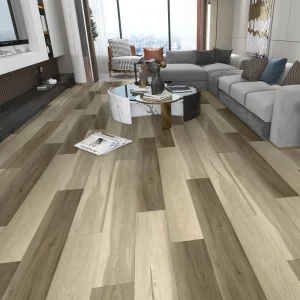
Bathrooms, wellness areas, and subterranean units present moisture challenges for traditional wall systems. Our SPC Luxury Vinyl wall cores and Waterproof LVT Systems provide moisture resistance. Coupled with airtight tongue-and-groove joint profiles, they prevent mold growth and maintain clean, sanitary environments.
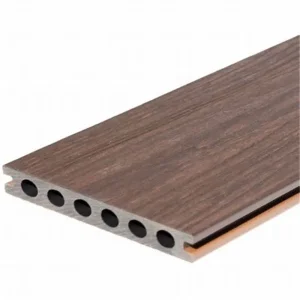
Exterior walls must withstand UV radiation, high winds, and temperature fluctuations. Our Polyurethane (PU) Stone systems and co-extruded WPC exterior siding panels act as rainscreens. They shield the core structure from environmental damage while providing a ventilation gap for thermal management.
Simplifying international architectural purchasing through strict quality control, sample testing, and end-to-end logistics.
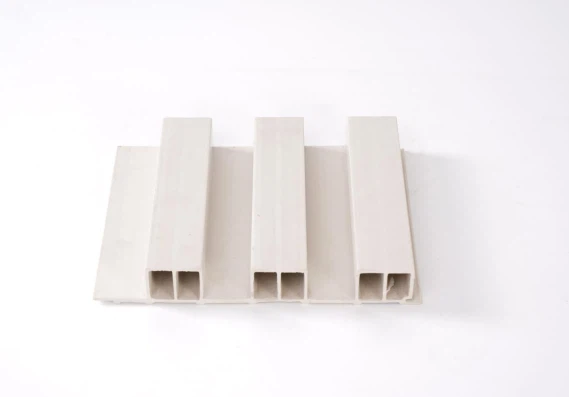
Procuring construction materials internationally requires managing lead times, verifying quality standards, and ensuring compliance. At Shandong Avenue Decor Co., Ltd., we streamline this process for commercial developers and distributors through structured services:
Meeting regulatory standards and building certifications across key international regions.
Building codes vary significantly across international regions. A panel system that meets standard interior regulations in one market may not comply with fire propagation rules or environmental limits in another. Shandong Avenue Decor Co., Ltd. addresses this through extensive testing and compliance certifications:
All structural MDF, particle board, and composite core shipments are tested for chemical safety. Our products comply with CARB Phase 2 and EPA TSCA Title VI, maintaining formaldehyde emissions below 0.05 ppm. For projects requiring fire rating, we offer custom core formulas that meet ASTM E84 Class A flame spread indexes.
Our products carry the CE Mark, verifying compliance with EN 13986 guidelines for wood-based panels used in construction. Additionally, we provide Class E1 low-emission products and offer Class B-s1,d0 fire-rated cores, meeting European safety standards for public buildings.
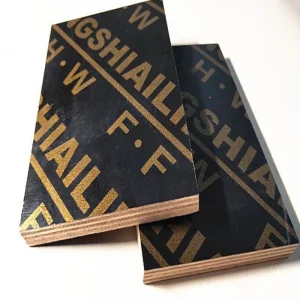
We manufacture structural concrete formwork plywood (18mm Marine Plywood) to meet AS/NZS 2269 standards. Each board is stamped with relevant mechanical property ratings (e.g., F17 stress grades) to satisfy local engineering requirements.
Technical answers to common questions about thermal properties, acoustic performance, and global logistics.
Explore our complete range of structural materials, high-density MDF boards, and moisture-resistant floor coverings.