Avenue Decor Avenue Decor

Top 10 Reasons Why UV Wall Panels Peel After Installation?

Time:2026-05-31 Author:Sienna
0%

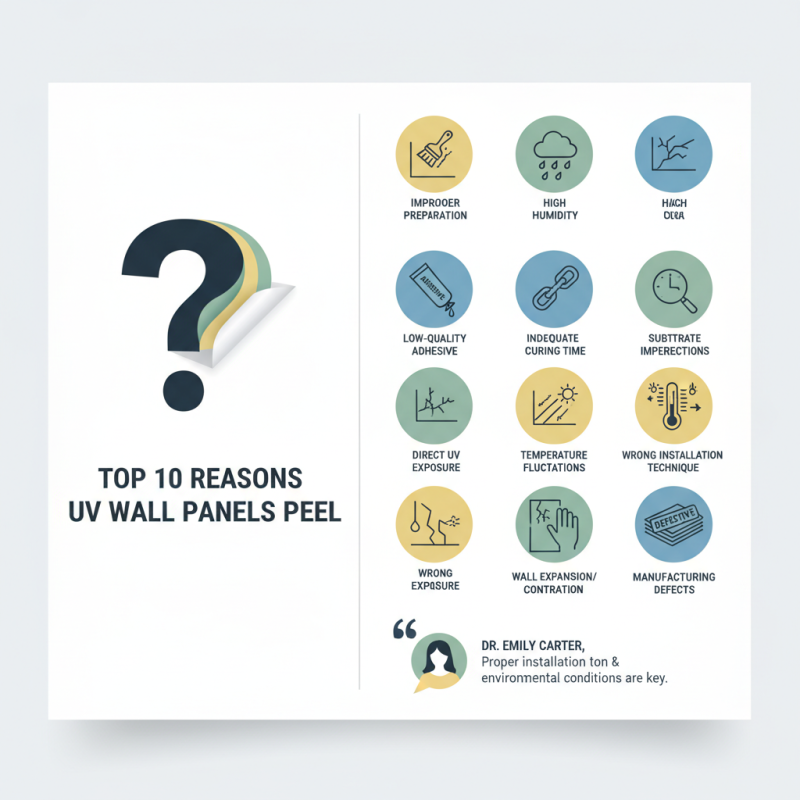
The peeling of UV wall panels after installation is a common concern for many homeowners and builders. According to industry expert Dr. Emily Carter, a specialist in materials engineering, “The longevity of UV wall panels greatly depends on proper installation and environmental conditions.” This insight highlights the importance of understanding what causes UV wall panels to peel off after installation.

One primary factor is improper surface preparation. If the wall surface isn’t clean, the panels may not adhere properly. Similarly, high humidity in the installation environment can lead to adhesion failure. Additionally, the quality of adhesive used plays a crucial role. Low-quality adhesives can degrade quickly under UV exposure, resulting in peeling over time.

Moreover, inadequate curing time can weaken the bond between the wall and the panels. Some installers may be unaware of the specific recommendations for the adhesive being used. These oversights can lead to frustration, and the need for costly repairs post-installation. Thus, understanding these potential pitfalls can help homeowners avoid the disappointment of peeling panels, ensuring their aesthetic improvements last.
Top 10 Reasons Why UV Wall Panels Peel After Installation?

Common Causes of UV Wall Panel Peeling After Installation

The peeling of UV wall panels can be frustrating for many homeowners and contractors. Understanding the common causes of this issue is crucial. One primary reason is inadequate surface preparation before installation. A dirty or uneven wall can prevent proper adhesion. Dust and grime act as barriers, leading to peeling over time.

Another issue arises from humidity and temperature fluctuations. If the environment is too humid, moisture can get trapped behind the panels. This moisture buildup weakens the adhesive bond. Similarly, extreme heat can cause the panels to expand and contract, putting stress on the material.

In some cases, the quality of the adhesive plays a significant role. Poor-quality adhesives may not withstand the conditions, leading to premature peeling. Lastly, improper installation techniques can contribute to the problem. Without the correct tools and methods, panels may not be secured properly, which can lead to detachment down the line. Addressing these factors can help ensure a longer-lasting finish.

Top 10 Common Causes of UV Wall Panel Peeling After Installation

Impact of Poor Surface Preparation Before Installation

Surface preparation is crucial before installing UV wall panels. Many issues arise when the surface is not properly cleaned and primed. Dust, dirt, and grease can weaken adhesion. Even the slightest imperfection can lead to peeling over time. A flawed surface diminishes the panel's ability to stick. As a result, panels may start to lift, creating unsightly gaps.

Some installers overlook the importance of checking for moisture. If the surface is damp, it compromises the entire installation. Water can seep behind the panels, causing them to warp or peel. Additionally, using an unsuitable adhesive may seem like a minor error, but it can lead to significant problems later on. The wrong choice in adhesive can dissolve under moisture or temperature changes.

Attention to detail during installation is often underestimated. Skipping the priming step is a common mistake. Proper priming enhances the bond between the panel and the surface. Neglecting this can invite issues that surface a few weeks or months later. Poor surface preparation often haunts installers and homeowners alike, leading to costly repairs and frustration.

Role of Environmental Conditions on Panel Adhesion

Environmental conditions play a critical role in the adhesion and longevity of UV wall panels. High humidity can negatively impact adhesive effectiveness. When moisture levels rise, panels may struggle to bond securely to surfaces. This can lead to peeling over time, especially in areas with poor ventilation. Similarly, extreme temperature fluctuations can cause materials to expand and contract, which might compromise adhesion.

Installing panels in direct sunlight can also be problematic. UV exposure can degrade adhesives, making them less effective. The risk increases in regions with intense sunlight, leading to premature failure. Additionally, dust and debris on surfaces can hinder proper adhesion. A clean installation area is essential for ensuring panels adhere securely.

Installation procedures must account for these factors. Professionals should assess environmental conditions before installation. Understanding local climate and conditions can mitigate potential issues. Proper preparation can help maintain the aesthetic and functional integrity of UV wall panels. Doing so reduces the potential for peeling and enhances overall performance.

Top 10 Reasons Why UV Wall Panels Peel After Installation? - Role of Environmental Conditions on Panel Adhesion

Reason Impact of Environmental Conditions Recommended Solutions
High Humidity Excess moisture can weaken adhesive bonds. Use dehumidifiers prior to installation.
Temperature Fluctuations Rapid changes can cause expansion and contraction of panels. Ensure a stable installation environment.
Improper Surface Preparation Dust or residue can prevent adhesion. Thoroughly clean surfaces before applying panels.
Inadequate Adhesive Application Insufficient adhesive reduces panel longevity. Follow manufacturer guidelines for adhesive application.
UV Exposure Direct sunlight can degrade panel materials and adhesives. Install panels in shaded areas or use protective coatings.
Poor Quality Panels Subpar materials lead to a shorter lifespan. Invest in high-quality UV wall panels.
Improper Installation Techniques Incorrect methods can lead to peeling. Hire experienced professionals for installation.
Vibrations or Movement Constant movement can weaken adhesive bonds. Secure panels against vibrations.
Outdated Adhesive Products Old products may not adhere properly. Use the latest adhesive technology as recommended.
Lack of Maintenance Neglected panels can lead to peeling. Regular inspections and touch-ups are essential.

Quality of Adhesives and Materials Used in Installation

When installing UV wall panels, the quality of adhesives and materials is crucial. Using inferior adhesives can lead to significant issues. Poor adhesion may cause panels to peel away from surfaces over time. This often happens when the adhesive does not bond well with both the panel and the wall. If the adhesive struggles to adhere properly, the entire installation may fail.

The materials used during the installation process play a key role as well. If the wall surface is not prepared correctly, panels may not stick properly. Dust, grease, or moisture can undermine adhesion. Additionally, low-quality wall panels can compromise the installation. Panels made from less durable materials may not withstand humidity or temperature changes. This can lead to bubbling or peeling, even shortly after installation.

Reflecting on these factors can illuminate common pitfalls in the installation process. Many installers overlook the importance of choosing the right materials. They may rush through surface preparation, assuming it is unnecessary. In reality, attention to detail in both adhesives and prep work can make a significant difference in the long-term performance of UV wall panels.

Maintenance Practices to Prevent Panel Peeling Over Time

Installing UV wall panels can enhance the aesthetics of any space, but improper maintenance might lead to peeling issues over time. Maintaining these panels is crucial for longevity. Regularly inspect your panels for signs of damage or wear. Early detection can save you from costly repairs in the future.

Tip: Use a soft cloth to clean your panels. Harsh scrub brushes can damage their surface. A gentle touch preserves their integrity, ensuring they look good for years.

Humidity can also impact panel adhesion. Ensure your environment is well-ventilated. High humidity can contribute to peeling. Using a dehumidifier can be beneficial.

Tip: Avoid placing heavy objects against the panels. Weight on the edges can create pressure. This pressure may lead to peeling over time.

Taking care of your UV wall panels can keep them intact and beautiful.

FAQS

: What can cause UV wall panels to peel after installation?

: Inadequate surface preparation is a primary reason. Dirt or uneven walls prevent proper adhesion.

How does humidity affect UV wall panels?

High humidity can trap moisture behind the panels. This moisture weakens the adhesive bond over time.

Why is surface preparation important?

Proper cleaning is essential. Dust and grease can weaken adhesion, leading to peeling.

What happens if the wall surface is damp?

Moisture can compromise the installation. Panels may warp or peel if the surface is not dry.

Can using poor-quality adhesive cause problems?

Yes, inferior adhesives may not bond well with the panel. This can lead to premature peeling.

How does temperature affect UV wall panels?

Extreme temperatures can cause expansion and contraction. This puts stress on the panels, leading to potential failure.

Are installation techniques important?

Absolutely. Improper installation can result in panels not being secured properly, leading to detachment.

What is often overlooked during installation?

Attention to detail in surface preparation is frequently underestimated. Neglecting this can invite future issues.

What should be avoided during installation?

Skipping the priming step is common. This enhances the bond and should not be overlooked.

What might installers regret later?

Rushing through surface preparation often leads to costly repairs later on. Reflection on these mistakes is crucial.

Conclusion

Understanding what causes UV wall panels to peel off after installation is essential for ensuring their longevity and aesthetic appeal. Common causes include inadequate surface preparation prior to installation, which can result in poor adhesion. Environmental conditions, such as humidity and temperature fluctuations, also play a significant role in panel adherence. Furthermore, the quality of adhesives and materials used during installation can greatly influence the durability of the panels.

To prevent peeling over time, it is crucial to adopt proper maintenance practices. Regular inspections and cleaning can help maintain the integrity of UV wall panels, allowing them to remain securely attached and visually appealing. Attention to these factors will mitigate the risk of peeling and extend the lifespan of UV wall panels.

Sienna

Sienna

Sienna is a skilled marketing professional with a deep expertise in our company’s core products and services. With a passion for innovation and detail, she plays a pivotal role in crafting insightful blog posts that not only highlight the unique features of our offerings but also provide valuable......