Avenue Decor
When considering materials for outdoor construction, one key question arises: "Is OSB board waterproof enough for outdoor construction?" Oriented Strand Board (OSB) is popular due to its affordability and versatility. However, understanding its limitations is crucial for making informed choices. Research indicates that untreated OSB absorbs moisture significantly, leading to potential structural issues. The APA – The Engineered Wood Association reports that untreated OSB can swell and deform after exposure to water.
Furthermore, a study published in the Journal of Materials Science found that OSB, when exposed to rain and humidity, can suffer from delamination. Despite advancements in manufacturing, OSB’s reliance on adhesive bonds makes it vulnerable to prolonged water exposure. It's vital to consider the environment where OSB will be used. In regions with high rainfall, alternative materials might offer better durability.
In practical terms, many builders still use OSB for outdoor applications, applying waterproof coatings or selecting moisture-resistant grades. However, the question remains whether these precautions are sufficient. Reflecting on these factors can lead to better decision-making and long-term satisfaction in outdoor projects.
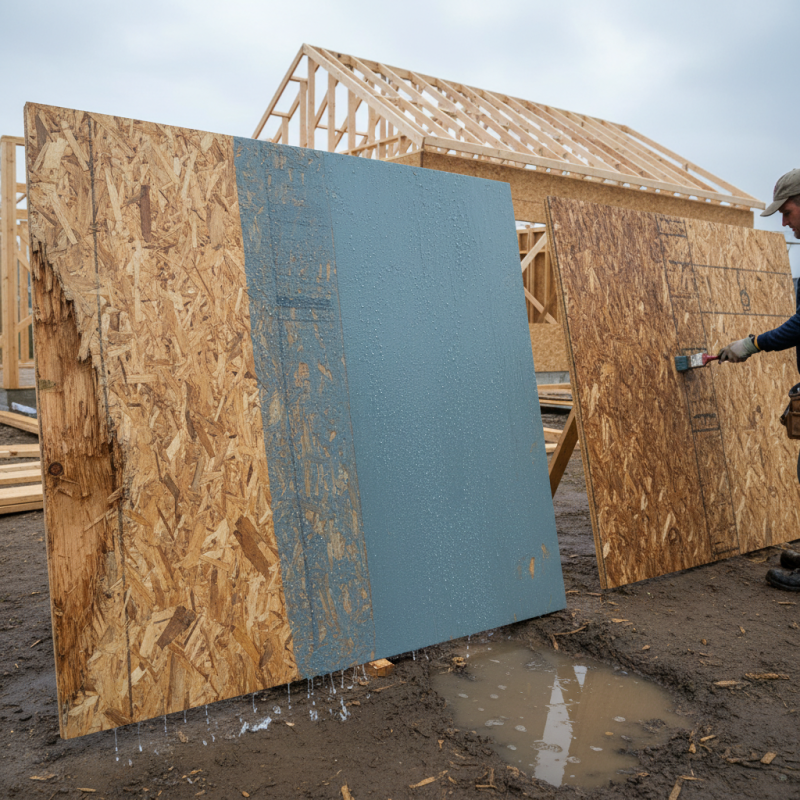
OSB board, or oriented strand board, is a type of engineered wood product made from strands of wood. It is bonded together with resin under heat and pressure. Commonly, it is used in construction, as flooring, roofing, and sheathing material. OSB board is valued for its strength and cost-effectiveness. However, it has its limitations.
While OSB board is versatile, its exposure to moisture can be a concern. It can swell and degrade if not properly treated. If you're considering OSB for outdoor use, take specific steps. Always apply a waterproof sealant to enhance its water resistance. Choose a thicker board for better stability. These actions can extend the lifespan of OSB in external applications.
When using OSB outdoors, monitor the conditions closely. Watch for signs of wear, such as warping or discoloration. Regular maintenance can prevent severe damage. Being proactive can keep your projects on track. Don’t ignore the potential issues that arise with moisture exposure. A careful approach is key to success.
OSB (Oriented Strand Board) is a popular engineered wood product, primarily known for its structural strength. Understanding its composition is essential for applications, especially in outdoor settings. OSB is made from wood strands bonded together using adhesives. The density and layering of these strands significantly impact its performance. Reports suggest that OSB has a thickness that usually ranges from 7/16 to 1 inch, allowing for varying degrees of load-bearing capacity.
The moisture resistance of OSB largely depends on its manufacturing process. High-quality OSB is treated with waterproof adhesives, which enhance its durability against moisture. However, even with enhanced adhesives, OSB is not entirely waterproof. Research indicates that prolonged exposure to water can lead to delamination and swelling. Therefore, when using OSB outdoors, it is crucial to ensure proper sealing and protective coatings. Regular maintenance is also essential to prolong its lifespan, especially in humid environments.
While OSB is a cost-effective choice for many builders, its vulnerabilities must be acknowledged. Not all OSB products are created equal; some may perform poorly in wet conditions. It's important to conduct due diligence when selecting OSB for exterior projects. Inaccurate assumptions about its waterproof capabilities may lead to costly repairs down the line. Always consult industry experts and refer to current standards and guidelines when considering OSB for outdoor applications.
Evaluating the water resistance of OSB (Oriented Strand Board) for outdoor use requires a closer look at its composition and treatment methods. OSB is made from strands of wood that are bonded together with resins, resulting in a product that offers some degree of moisture resistance. However, studies show that OSB is not fully waterproof. According to a report from the American Wood Council, OSB can absorb significant amounts of water when exposed to the elements, especially if not properly sealed.
When using OSB outdoors, wood treatment can greatly improve its water resistance. Applying a weather-resistant sealant can help protect the surface from moisture. It's essential to consider the environmental conditions where the OSB will be used. Areas with high humidity or heavy rainfall pose greater risks for OSB degradation. Even treated OSB warrants regular inspections for any signs of wear or water damage.
Tips for maintaining OSB outdoors include keeping it elevated off the ground to prevent water pooling. Ensure proper drainage around the structure to avoid water accumulation. Regularly check for any cracks or peeling in the sealant, as these can lead to moisture intrusion. Over time, it's crucial to be vigilant about potential issues that could compromise the integrity of OSB in outdoor settings.
When using OSB board outdoors, enhancing its longevity requires specific strategies. While OSB is not fully waterproof, it can withstand some moisture with proper precautions. One effective approach is to apply a water-resistant sealant to the surface. This creates a protective barrier against rain and humidity.
Choosing the right installation method is equally important. Elevating the OSB board off the ground helps reduce direct moisture contact. Using pressure-treated wood as a base can also provide extra protection. Regular inspections for signs of wear or decay will help identify issues early.
To extend the life of OSB in outdoor environments, consider adding a roof or overhang. This shields the board from harsh weather conditions. Covering the OSB with paint can also offer benefits. However, it’s essential to use suitable products designed for exterior use. While these measures can enhance durability, it's crucial to remember that OSB will never be completely waterproof. Regular maintenance and proactive care are vital for ensuring its longevity outdoors.
When it comes to outdoor construction, the need for waterproof materials is crucial. OSB (Oriented Strand Board) is often used, but it may not be the best choice for all projects. Instead, consider alternatives that offer better durability against moisture. For example, marine-grade plywood stands out with its waterproof resin. It resists warping and delamination, making it ideal for outdoor applications.
Composite decking materials also provide a solid option for outdoor use. These materials combine wood fibers and plastic, offering enhanced resistance to the elements. They won't rot easily, which is a significant consideration for areas with heavy rainfall. It’s important to weigh the cost against long-term benefits. Not all composites are created equal; some may fade over time or lack structural integrity.
Another alternative is cement board. It provides excellent water resistance and can withstand various weather conditions. However, it is heavier and may require specific tools for installation. Choosing the right material demands careful thought. Each option has pros and cons, and checking specifications is key to making an informed decision. A thorough understanding of each material's properties can lead to a more satisfactory outcome in outdoor construction projects.
| Material | Water Resistance Rating | Best Use Cases | Durability |
|---|---|---|---|
| OSB (Oriented Strand Board) | Moderate | Subflooring, temporary structures | 5-10 years with proper sealing |
| Plywood | Good | Outdoor furniture, roofing | 10-20 years with proper maintenance |
| Marine Plywood | Excellent | Boats, docks | 20-30 years |
| Composite Wood | Very Good | Decking, outdoor panels | 10-25 years |
| OSB (with waterproof coating) | Good | Exterior walls, siding | 7-15 years |
: OSB is made from strands of wood bonded together with resins.
No, OSB is not fully waterproof and can absorb water.
Applying a weather-resistant sealant greatly improves its moisture resistance.
High humidity and heavy rainfall increase the risk of OSB degradation.
Keep it elevated off the ground and ensure proper drainage around it.
Check for cracks or peeling in the sealant and signs of water damage.
Yes, a roof or overhang can shield OSB from harsh weather.
Yes, using exterior paint can help, but suitable products are essential.
Elevating the OSB off the ground reduces direct moisture contact.
Regular maintenance helps, but OSB will never be completely waterproof.
The article titled "Is OSB Board Waterproof Enough for Outdoor Use Tips" provides a comprehensive exploration of OSB (Oriented Strand Board), including its common applications and structural composition. It delves into the water resistance of OSB boards, addressing the critical question: "Is OSB board waterproof enough for outdoor construction?" The assessment indicates that while OSB can withstand some moisture, it is not fully waterproof and may be susceptible to damage in prolonged wet conditions.
To enhance the longevity of OSB in outdoor environments, the article offers practical tips such as using sealants, proper installation methods, and selecting moisture-resistant OSB options. Additionally, it discusses alternative materials that may be better suited for waterproof outdoor construction, ensuring readers have a well-rounded understanding of choices available for their projects.
