Avenue Decor Avenue Decor

Why Does MDF Swell and How to Prevent It Effectively?

Time:2026-05-07 Author:Oliver
0%

MDF, or medium-density fiberboard, is widely used in furniture and construction. However, it often faces the issue of swelling. This problem primarily occurs when MDF absorbs moisture. Understanding why this happens is crucial for anyone working with this material. So, why does MDF swell and how to prevent it?

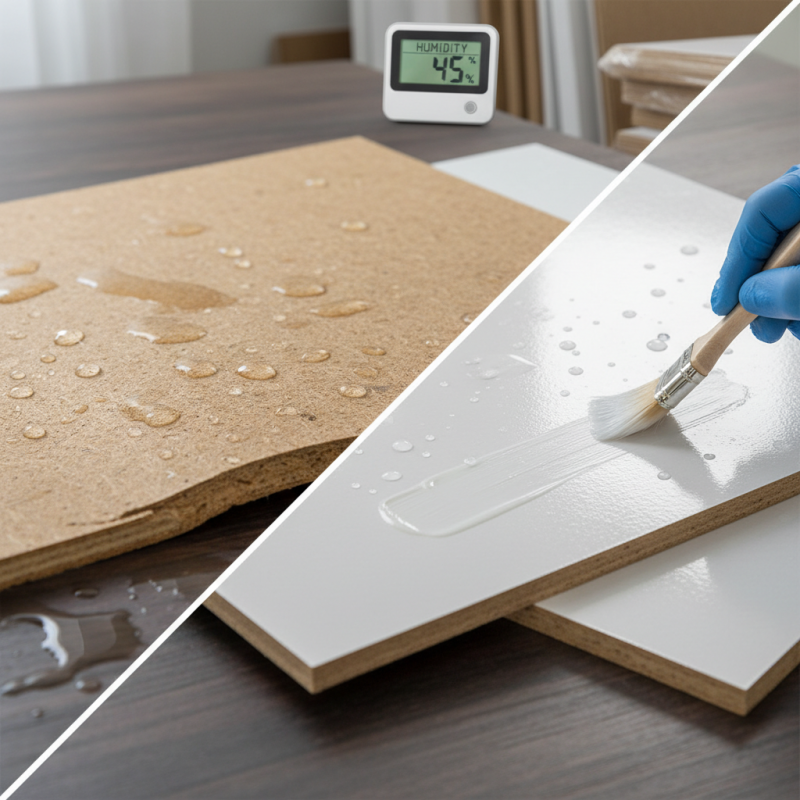
Moisture is the enemy of MDF. When exposed to high humidity, the fibers in MDF can soak up water. This absorption leads to expansion and deformation of the board. Once this happens, the integrity of the structure can be compromised. It’s essential to recognize these challenges.

Preventing MDF from swelling involves proactive measures. Proper sealing is key. Using water-resistant paints or laminates can create a protective barrier. Additionally, controlling the environment where MDF is stored plays a significant role. It requires consistent monitoring of humidity levels. Being informed can significantly enhance the longevity of MDF products.
Why Does MDF Swell and How to Prevent It Effectively?

Understanding MDF and Its Composition

MDF, or Medium Density Fiberboard, is engineered from wood fibers, wax, and resin. It serves various purposes in furniture and construction. Its composition contributes to both its versatility and vulnerabilities. The wood fibers in MDF are tightly compressed, giving it a smooth surface ideal for painting or veneering.

However, this densely packed material may swell when exposed to moisture. Water can infiltrate the fibers, causing them to expand. This swelling is problematic, especially if the MDF is used in damp areas. Many DIY enthusiasts and professionals face this issue. They often wonder how to mitigate such risks effectively.

To prevent MDF from swelling, proper sealing is crucial. Using water-resistant paints or finishes creates a barrier against moisture. Additionally, keeping MDF in a climate-controlled environment can help maintain its integrity. While these methods may not guarantee complete protection, they significantly reduce the likelihood of swelling. Regular maintenance and checks can also prevent long-term damage. The fragility of MDF teaches us the importance of environmental control in preserving its quality.

Common Causes of MDF Swelling

MDF, or Medium Density Fiberboard, is popular for its smooth finish. However, it can swell under certain conditions. The most common cause of swelling is moisture exposure. MDF is made from wood fibers and glue, which can absorb water, leading to irreversible damage. According to industry reports, MDF can swell by up to 20% in humid environments, significantly affecting its durability.

Temperature fluctuations can also lead to MDF swelling. When temperatures rise, the material expands. Conversely, it contracts when temperatures drop. This continuous cycle can cause the MDF to weaken over time. In fact, experts suggest that maintaining a stable environment can reduce the risk of swelling.

Another cause is the quality of the MDF itself. Lower-grade materials with higher levels of lignin are more susceptible to moisture damage. Reports indicate that up to 40% of lower-quality MDF fails in moist conditions. It’s essential to choose a quality product for longevity. Using protective coatings can also minimize exposure to moisture and extend the lifespan of MDF products. Regular inspections and proper storage are vital. These simple steps can help in managing the conditions MDF faces.

Effects of Humidity and Moisture on MDF

Humidity and moisture play significant roles in the swelling of Medium Density Fiberboard (MDF). MDF consists of wood fibers, wax, and resin. When exposed to high humidity, these fibers absorb water, leading to expansion. This can compromise the integrity of the board. The surrounding environment, particularly in damp locations, drastically affects the performance of MDF. Over time, this damage can be irreversible.

To prevent swelling, controlling humidity is essential. Regularly check the moisture levels in your space. Using a dehumidifier or air conditioner can help to maintain an optimal range. Sealing the MDF with appropriate finishes, like varnish or paint, creates a barrier against moisture. However, these methods may not be foolproof. They require regular maintenance and may still be susceptible to extreme conditions.

Understanding the limitations of MDF is crucial. It is not as durable as solid wood in wet conditions. Using MDF in high-humidity areas may lead to regret over time. Observing how different environments affect MDF helps in making informed decisions. Testing various sealing techniques can lead to better outcomes. Adopting a proactive approach will ensure better performance and longevity.

Effects of Humidity on MDF Swelling

This bar chart illustrates the extent of MDF swelling at different humidity levels. As humidity increases, the swelling percentage of MDF also tends to rise significantly, highlighting the importance of moisture control in maintaining the integrity of MDF products.

Effective Prevention Techniques for MDF Swelling

MDF, or Medium Density Fiberboard, is prone to swelling, especially in humid conditions. To effectively prevent MDF swelling, careful consideration during storage and installation is essential. Keeping MDF in a controlled environment with stable humidity levels can significantly reduce its vulnerability. Always store MDF sheets flat and elevated off the ground, as direct contact with moisture can initiate swelling.

Another technique is sealing the MDF surfaces. Using high-quality sealants can create a protective barrier against moisture. Ensure all edges and cut surfaces are properly sealed. Reinforcement with paint or varnish can be an effective step, even if it requires additional effort. Remember, though, this doesn’t make MDF waterproof. It merely safeguards against minor moisture exposure.

Regular inspections can be beneficial as well. Check for signs of moisture exposure. Prompt action can prevent small issues from developing into significant damage. It's also wise to consider alternative materials if you live in a particularly humid area. Each project demands careful consideration of material properties to avoid future complications. While these methods can be effective, nothing guarantees absolute prevention.

Best Practices for Maintaining MDF Products

MDF, or medium density fiberboard, is a popular material used in furniture and cabinetry. However, it can swell when exposed to moisture. To prevent this, it's crucial to follow best practices for maintaining MDF products.

Using a sealant can create a protective barrier. This minimizes moisture absorption. Regularly inspect your MDF for any signs of wear. Identifying issues early can prevent larger problems later. When cleaning, use a damp cloth instead of soaking the surface. Excess water can lead to swelling.

Store MDF in controlled environments. Keep it away from extreme humidity and direct sunlight. Ideal storage conditions can be hard to achieve at times. Consider using dehumidifiers in damp areas. Lastly, be cautious when exposing MDF to liquids, even in small amounts. A little care goes a long way in extending the life of MDF.

FAQS

: What causes MDF to swell?

: MDF swells mainly due to moisture exposure, which is irreversible.

How much can MDF swell in humid environments?

MDF can swell up to 20% in high humidity, affecting its durability.

Can temperature changes affect MDF?

Yes, temperature fluctuations cause MDF to expand and contract, leading to potential weakening.

How does the quality of MDF affect its performance?

Lower-grade MDF is more prone to moisture damage. Nearly 40% may fail in wet conditions.

What can be done to prevent MDF swelling?

Controlling humidity and using protective coatings can help prevent MDF from swelling.

Is MDF as durable as solid wood?

No, MDF is not as durable in wet conditions and may lead to regret if used improperly.

How should MDF be stored to avoid damage?

Store MDF in controlled environments, away from humidity and direct sunlight.

What cleaning method is recommended for MDF?

Use a damp cloth for cleaning; avoid soaking the surface to prevent swelling.

How often should MDF be inspected for damage?

Regular inspections help catch early signs of wear, preventing larger issues over time.

Are sealing techniques for MDF always effective?

No, sealing may not be foolproof and requires maintenance. Testing different techniques can help.

Conclusion

MDF, or Medium Density Fiberboard, is a widely used material known for its versatility and smooth surface. However, a common issue faced by users is swelling, which can significantly affect the performance and appearance of MDF products. The question "Why does MDF swell and how to prevent it?" can be addressed by understanding its composition and the environmental factors that contribute to this problem. Common causes include exposure to humidity and moisture, which can weaken the fibers and lead to irreversible damage.

To prevent swelling, it’s crucial to implement effective techniques such as sealing edges and surfaces with moisture-resistant coatings and maintaining appropriate indoor humidity levels. Additionally, adhering to best practices for storing and handling MDF can further enhance its durability and lifespan. By being proactive in these areas, one can significantly mitigate the risks of MDF swelling and maintain the integrity of their products over time.

Oliver

Oliver

Oliver is a seasoned marketing professional with a wealth of expertise in driving brand awareness and engagement. With a deep understanding of our company's product offerings, he consistently delivers high-quality content that enriches our professional blog. His insights not only shed light on......