Avenue Decor Avenue Decor

Is Investing in Formaldehyde Free Plywood a Smart Choice?

Time:2026-06-26 Author:Charlotte
0%

When it comes to choosing plywood, many consumers wonder, "Is formaldehyde-free plywood worth the extra cost?" This question resonates with homeowners and builders alike. The increased awareness of indoor air quality has sparked a shift toward more environmentally friendly materials. Formaldehyde is a common adhesive used in plywood, but it poses health risks over time.

Dr. Sheila Evans, a leading expert in environmental health, emphasizes this concern. She states, "Investing in formaldehyde-free products ultimately benefits health and well-being." This perspective highlights the potential long-term advantages of choosing safer alternatives. While the upfront cost may be higher, the implications for health and comfort could outweigh the financial consideration.

Every decision carries weight, especially when prioritizing health. Reflecting on the balance between cost and safety could guide your choice. Investing in formaldehyde-free plywood may seem steep, but it signifies a commitment to quality living spaces. It's worth pondering how this choice impacts both your health and the environment.
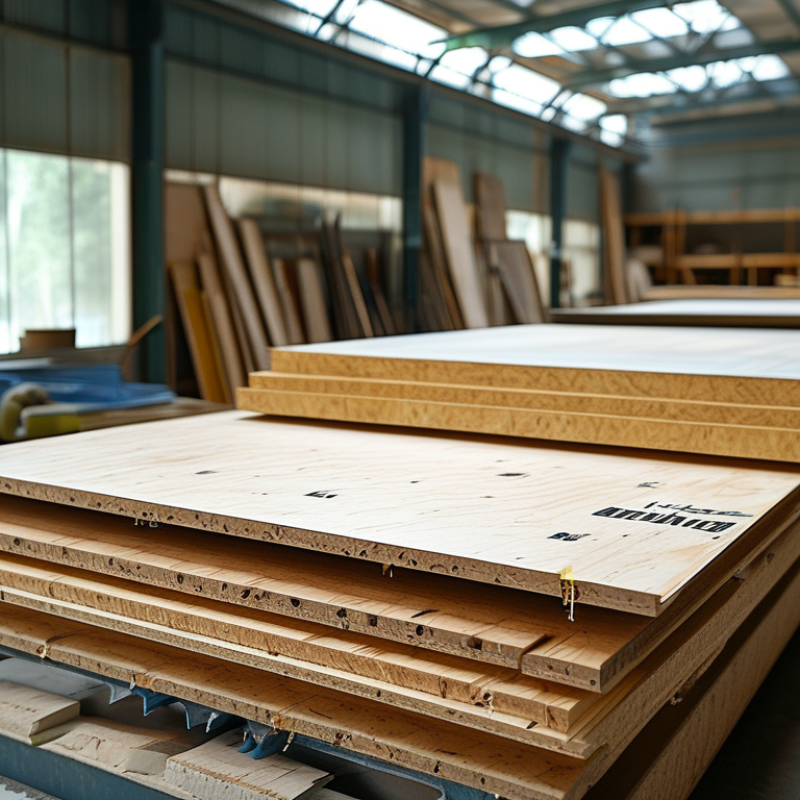
Is Investing in Formaldehyde Free Plywood a Smart Choice?

Understanding Formaldehyde and Its Effects on Health

Formaldehyde is a colorless gas and a common component in many building materials, including plywood. It has been linked to various health issues, including respiratory problems and potential carcinogenic effects. The World Health Organization (WHO) states that formaldehyde exposure can lead to eye, nose, and throat irritation. Prolonged exposure may increase the risk of cancer.

According to the U.S. Environmental Protection Agency (EPA), wood products can emit formaldehyde at varying levels. High-emission products pose a greater risk, especially in poorly ventilated spaces. Research shows that formaldehyde can off-gas for years after production. It’s vital to choose materials low in formaldehyde to create a healthier indoor environment.

Tips: Always look for products labeled as "formaldehyde-free" or "low-emission." Ventilation is key; ensure good airflow in your space. Regularly check for any signs of moisture or mold, as they can increase off-gassing.

Overall, reducing exposure to formaldehyde is an important step in maintaining good health. Choosing formaldehyde-free plywood is a proactive choice. It minimizes health risks and contributes to a better indoor air quality. Remember, every decision counts in creating a safer living space.

The Benefits of Using Formaldehyde Free Plywood

Formaldehyde free plywood is gaining attention in the construction and design industries. This type of plywood is made without harmful chemicals. It significantly reduces indoor air pollution. Health-conscious consumers appreciate this choice. Many people are sensitive to formaldehyde; symptoms can include headaches, eye irritation, and respiratory issues. Using formaldehyde free plywood can create a safer living environment.

Additionally, formaldehyde free plywood is often more sustainable. It is typically sourced from responsibly managed forests. This aligns with eco-friendly building practices. Builders increasingly look for greener materials. It is important to consider the long-term impacts of our choices. However, some may question the durability and cost of these alternatives. Testing and research are necessary to ensure that they meet required standards.

Innovation in manufacturing has improved quality. Many manufacturers now offer options that match traditional plywood in strength. It’s essential to weigh the benefits against potential trade-offs. Making informed choices in materials can lead to healthier homes and workplaces. The advantages of using formaldehyde free plywood are evident. Thoughtful consideration of building materials can shape the future.

Comparing Formaldehyde Free Plywood with Traditional Options

As consumers become more environmentally conscious, the demand for formaldehyde-free plywood is on the rise. Traditional plywood often contains urea-formaldehyde, a substance linked to health risks. In fact, the Environmental Protection Agency (EPA) classifies formaldehyde as a probable human carcinogen. This alarming classification has led many to reconsider their material choices in construction and woodworking.

Formaldehyde-free plywood not only addresses health concerns but also appeals to sustainable building practices. According to a 2021 report from the Forest Products Laboratory, these alternatives can effectively reduce indoor air pollutants. Furthermore, manufacturers have developed advanced adhesives that provide comparable strength and durability without harmful emissions. However, cost can be a concern; formaldehyde-free options sometimes carry a premium price. A study by the Wood Products Council shows that prices can vary by up to 30%, depending on the material source and production process.

Choosing the right type of plywood requires careful consideration. While formaldehyde-free products provide health benefits, their sustainability credentials depend on sourcing practices. Not all suppliers adhere to strict environmental guidelines. Therefore, due diligence in researching suppliers is crucial. The growing market for green alternatives may lead to significant advancements. This shift poses questions about availability and price elasticity that are worth exploring.

Comparison of Formaldehyde Free Plywood and Traditional Plywood

Cost Considerations for Formaldehyde Free Plywood Investing

Investing in formaldehyde-free plywood can seem like a smart choice at first glance. The reduction in harmful chemicals appeals to eco-conscious consumers. However, it is important to examine the cost implications. Generally, formaldehyde-free options are priced higher than traditional plywood. The added cost can be significant depending on the size and quantity needed for a project.

One must consider the long-term benefits when evaluating this investment. Healthier indoor air quality can lead to peace of mind and potentially fewer health issues over time. This often outweighs the initial financial burden. However, the higher upfront cost may not be feasible for all budgets.

**Tips:** When assessing options, compare prices across different suppliers. Doing thorough research can uncover competitive rates for plywood. Also, consider purchasing in bulk to reduce overall costs. Another angle to explore is the resale value; formaldehyde-free materials may appeal to future buyers, thus adding to long-term property value.

Is Investing in Formaldehyde Free Plywood a Smart Choice? - Cost Considerations for Formaldehyde Free Plywood Investing

Plywood Type Cost per Sheet ($) Environmental Impact Rating (1-10) Lifespan (Years) User Health Safety Rating (1-10)
Formaldehyde Free Plywood 50 9 25 10
Standard Plywood 30 5 15 5
Bamboo Plywood 45 8 20 9
Recycled Plywood 40 7 10 8

Environmental Impact of Using Formaldehyde Free Materials

Using formaldehyde-free plywood is an environmentally conscious choice. Formaldehyde is a common adhesive in many wood products. It releases volatile organic compounds (VOCs) that can harm indoor air quality. By opting for formaldehyde-free materials, you help reduce these emissions. This choice supports healthier living spaces and promotes sustainability.

In addition to improving air quality, formaldehyde-free plywood can contribute to forest conservation. Many producers use responsibly sourced wood. This practice encourages sustainable forestry and biodiversity. However, it’s crucial to verify certifications to ensure the material's origin is indeed eco-friendly.

Tips: When buying plywood, look for labels that specify "formaldehyde-free." Always check for certifications that confirm sustainable sourcing. Consider the overall environmental footprint of your materials, not just their adhesive content. Every small choice helps create a better environment.

FAQS

: What is formaldehyde?

: Formaldehyde is a colorless gas found in many building materials.

How does formaldehyde affect health?

Exposure can lead to eye, nose, and throat irritation. Long-term exposure may increase cancer risk.

What precautions should I take regarding formaldehyde?

Select materials labeled as "formaldehyde-free" or "low-emission" for safety.

How does formaldehyde impact indoor air quality?

It releases volatile organic compounds (VOCs) that can harm air quality in enclosed spaces.

Can ventilation help reduce formaldehyde exposure?

Yes, good airflow reduces formaldehyde accumulation in your living environment.

What should I look for when purchasing plywood?

Always check for certifications proving it is formaldehyde-free and sustainably sourced.

Is using formaldehyde-free materials beneficial for the environment?

Yes, it promotes healthier living spaces and supports sustainable forestry practices.

How long does formaldehyde off-gas after production?

Research shows it can off-gas for years, making initial choices crucial.

Are there signs I should check for in my home?

Regularly inspect for moisture or mold, as they can increase formaldehyde emissions.

What is the importance of certification for wood products?

Certifications ensure the material is responsibly sourced, impacting sustainability efforts.

Conclusion

The article "Is Investing in Formaldehyde Free Plywood a Smart Choice?" delves into the implications of using formaldehyde in plywood and its potential health effects. It emphasizes the advantages of opting for formaldehyde-free plywood, including reduced health risks and enhanced indoor air quality. Additionally, the comparison between formaldehyde-free options and traditional plywood reveals that while the latter often comes at a lower price, the benefits of minimizing exposure to harmful chemicals can justify the initial investment.

When considering the question, "Is formaldehyde-free plywood worth the extra cost?" the article highlights not only the health and environmental benefits but also potential long-term savings through improved air quality and reduced health-related expenses. Ultimately, the decision may hinge on individual values regarding health, safety, and environmental sustainability.

Charlotte

Charlotte

Charlotte is a seasoned marketing professional with a deep understanding of the company's portfolio and a passion for elevating its presence in the market. With a keen eye for detail and a commitment to excellence, she ensures that our professional blog is regularly updated with insightful articles......