Bamboo fiber panels offer an eco-friendly and stylish solution for interior design. Many homeowners and designers seek ways to enhance their spaces with these panels. However, a common concern arises: how to install bamboo fiber panels without visible seams? Achieving a seamless look requires attention to detail and proper technique.
Before diving into installation, it's essential to gather necessary tools and materials. Familiarity with the process can make a significant difference. Start by measuring the area accurately to avoid waste. Each panel should fit snugly together, but achieving that perfect alignment can be tricky.
As you work, be prepared for challenges. Panels may not always align as expected, leading to visible gaps. It's crucial to assess your approach regularly and make adjustments. Remember, the goal is a seamless finish. Embrace the learning curve and reflect on your methods. With patience and practice, you can successfully install bamboo fiber panels that elevate your space.
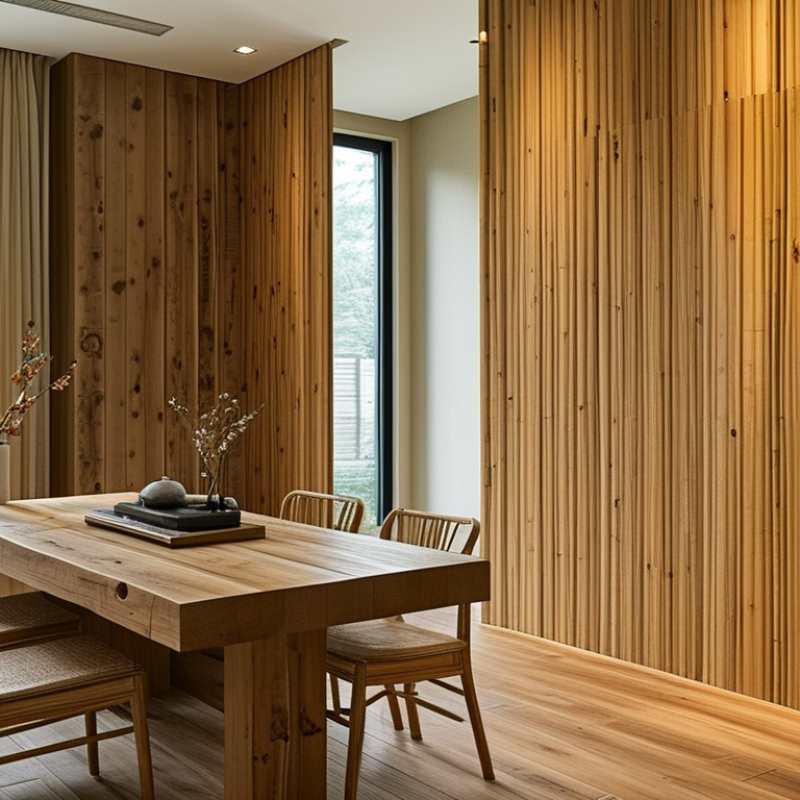
Understanding Bamboo Fiber Panels and Their Benefits
Bamboo fiber panels have gained popularity in recent years due to their eco-friendly characteristics. Made from natural bamboo, these panels are a sustainable alternative to traditional building materials. According to the International Bamboo and Rattan Organisation, bamboo absorbs up to 35% more carbon dioxide than trees, making it a valuable resource for combatting climate change.
One significant benefit of bamboo fiber panels is their durability. They possess higher tensile strength than many hardwoods, which means they can withstand heavy loads and resist deformation. Research from the American Forest & Paper Association indicates that bamboo can last up to 30 years, even in varying climates. Additionally, they are naturally resistant to mold and pests, reducing the need for chemical treatments.
While these panels offer numerous advantages, not all manufacturers follow sustainable practices. It's essential to verify the sourcing of bamboo. Misleading claims about sustainability can undermine the benefits. Consumers and builders should prioritize panels that have certifications, ensuring that the materials are sourced responsibly. A well-informed decision leads to better environmental outcomes.
Preparing the Installation Site for Bamboo Fiber Panels
Preparing the installation site for bamboo fiber panels is crucial for achieving a seamless finish. Start by selecting a clean, dry area. Remove any debris, dust, or materials that could obstruct the installation. An even surface is essential to avoid future issues. Measure the space accurately to ensure that the panels fit perfectly. This step can save time during installation.
Check the temperature and humidity levels of your space. Bamboo panels perform best in stable conditions. If the environment is too humid or dry, the panels may warp or crack over time. Consider using a moisture barrier if you install in a damp area. This will protect the panels and enhance their lifespan.
Review your tools and materials before starting. Ensure you have all necessary items easily accessible. Missing tools can halt your process. Gathering everything you need can make the installation smoother. It's also helpful to visualize the panel layout beforehand. This can help in identifying potential issues early on. Planning your approach can make a noticeable difference during installation.
Installation Steps for Bamboo Fiber Panels
Step-by-Step Guide to Installing Bamboo Fiber Panels
Installing bamboo fiber panels can transform your space into an eco-friendly haven. Follow these steps to install them seamlessly for a polished look. Measure your area accurately. This ensures each panel fits perfectly. Use a level to mark where the panels will go. This helps maintain a straight line throughout the installation.
Next, prepare your bamboo fiber panels. Trim any uneven edges for a smooth fit. Lay them out before installation to visualize the final arrangement. For the actual installation, start at one corner. Use adhesive suitable for bamboo materials. Apply it evenly for a strong bond. Place each panel carefully, pressing firmly to eliminate air bubbles.
Once all panels are in place, check for any gaps or imperfections. You may need to adjust a panel or two, especially if the walls aren’t perfectly straight. Be patient; a flawless finish takes time. After the adhesive has dried, consider applying a sealant for longevity. Regular maintenance will keep your bamboo panels looking fresh. Remember, practice makes perfect. If you encounter challenges, don’t hesitate to revisit your installation plan.
How to Install Bamboo Fiber Panels Seamlessly? - Step-by-Step Guide to Installing Bamboo Fiber Panels
| Step Number |
Installation Step |
Description |
Time Required |
Tools Needed |
| 1 |
Preparation |
Clear the installation area of any obstructions. |
30 minutes |
None |
| 2 |
Measure & Cut |
Measure the area and cut bamboo panels to size. |
1 hour |
Tape measure, saw |
| 3 |
Dry Fit |
Place the cut panels in the installation area to check the fit. |
30 minutes |
None |
| 4 |
Apply Adhesive |
Apply suitable adhesive on the back of the panels. |
30 minutes |
Adhesive, brush |
| 5 |
Install Panels |
Press the panels into place, ensuring they are aligned properly. |
1 hour |
None |
| 6 |
Finishing Touches |
Add trim or sealant as needed to complete the look. |
30 minutes |
Trim, sealant |
Tips for Achieving a Seamless Finish with Bamboo Fiber Panels
Achieving a seamless finish with bamboo fiber panels requires precision and attention to detail. Start by preparing the installation surface. Ensure it is clean, dry, and flat. Any bumps or debris can disrupt the panels' alignment. Measure the area carefully, taking note of any imperfections. This preparation phase sets the tone for the entire project.
When cutting bamboo fiber panels, use a fine-toothed saw for clean edges. Make sure to wear protective eyewear. Aim for straight cuts, as uneven edges can cause visible seams. Applying adhesive evenly is crucial. Too much glue can ooze out, affecting the overall appearance. Once the panels are positioned, use clamps to hold them in place while the adhesive dries.
One common issue is panel expansion or contraction due to humidity changes. Allow for slight gaps at the edges to accommodate this movement. After installation, consider applying a sealer for added protection. This step can enhance the panels’ longevity and beauty. Reflecting on the process can lead to better results in future projects.
Each experience is a chance to improve and refine your technique.
Maintenance and Care for Bamboo Fiber Panels After Installation
After installing bamboo fiber panels, proper maintenance is key to preserving their beauty and durability. Regular cleaning can prevent dust and stains. Use a soft, damp cloth for everyday cleaning. Avoid harsh chemicals, as they can damage the natural fibers. For deeper cleaning, a mild soap solution will suffice. Rinse thoroughly and dry immediately to avoid water damage.
Humidity and temperature changes can affect bamboo panels. Keep the indoor environment stable. It’s essential to maintain a consistent humidity level, ideally between 30% and 50%. Excessive moisture can lead to mold growth. If you notice any discoloration or swelling, it may be time to reassess your cleaning methods or the environmental conditions in your space.
Inspect the panels regularly for any signs of wear and tear. Small scratches can be addressed with sanding, but be cautious. Over-sanding can worsen the issue. Reflect on your cleaning habits. Are they suited for your specific environment? The longevity of bamboo fiber panels often depends on mindful care and attention to these details.
FAQS
: Ensure the surface is clean, dry, and flat. Remove any bumps or debris.
Use a fine-toothed saw for clean edges and wear protective eyewear.
Apply the adhesive evenly. Avoid using too much to prevent ooze.
Allow for slight gaps at the edges to help accommodate movement.
Clean regularly with a soft, damp cloth. Avoid harsh chemicals.
Maintain a humidity level between 30% and 50% for best results.
You can sand small scratches but be cautious not to over-sand.
Reassess your cleaning methods or the environmental conditions affecting the panels.
Regular inspections can help catch any wear and tear early.
Mindful and tailored cleaning methods are crucial for preserving their beauty.
Conclusion
Bamboo fiber panels are an eco-friendly and stylish option for various applications in both residential and commercial spaces. To successfully install bamboo fiber panels without visible seams, it is crucial to first understand the panels and their benefits, including their durability and aesthetic appeal. Preparing the installation site meticulously is essential; this includes ensuring a clean, dry, and level surface to allow for optimal adhesion and alignment.
Following a step-by-step guide for installation can significantly ease the process, from measuring and cutting the panels to securing them in place. To achieve a seamless finish, it is recommended to focus on precise cutting, careful alignment, and using appropriate adhesives. After installation, proper maintenance and care will help preserve the panels' beauty and longevity, ensuring they continue to enhance your space for years to come. By mastering how to install bamboo fiber panels without visible seams, you can create a polished and professional look in your interior decor.
 Avenue Decor
