Avenue Decor
Mold growth behind wall panels poses significant risks to indoor air quality and structural integrity. Understanding how to prevent mold growth behind indoor wall panels is crucial for homeowners and builders alike. Mold thrives in damp, dark environments, making wall cavities a perfect breeding ground if proper precautions are not taken.
Preventing mold requires attention to moisture levels and ventilation. Water leaks, high humidity, and poor airflow can create ideal conditions for mold. Homeowners should conduct regular inspections to identify potential moisture sources. Implementing effective waterproofing measures and ensuring adequate ventilation can mitigate these risks.
Yet, many overlook these areas. Sometimes, visibility leads to complacency. It is vital to recognize that mold can develop unseen. Awareness and proactive measures can protect health and property. Investing time in these practices contributes to safer living environments. It is essential to stay informed and vigilant against mold growth behind wall panels.
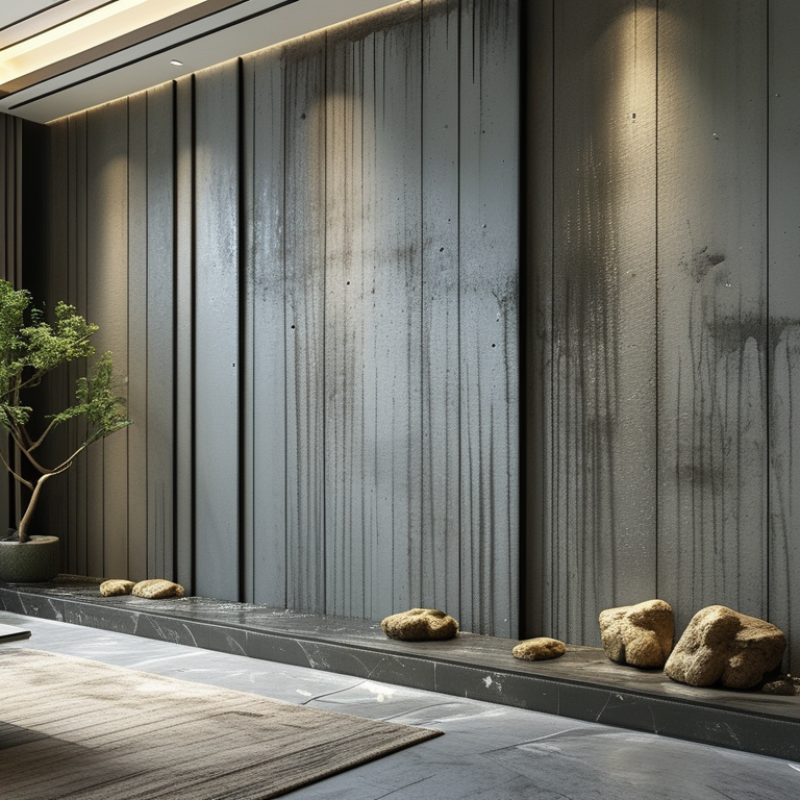
Mold growth in indoor environments is a serious issue. It poses health risks and can damage property. Walls and wall panels are common areas for mold due to their hidden nature. Often, moisture accumulates behind panels, creating a perfect breeding ground for mold. Ignoring this can lead to costly repairs and health hazards.
Tips for preventing mold growth include maintaining low humidity. Aim for a relative humidity level between 30% and 50%. Use dehumidifiers in damp areas like basements. Proper ventilation, especially in kitchens and bathrooms, helps as well. Regularly check for leaks and fix any plumbing issues. These minor steps can make a significant difference.
If mold already exists, addressing it quickly is essential. Clean affected areas with appropriate solutions. Consider consulting professionals for extensive infestations. The importance of vigilance cannot be overstated; mold can regrow if the underlying problem is not fixed. Regular inspections are key to ensuring a safe, mold-free environment.
Mold growth can occur behind wall panels due to a combination of moisture and organic material. A report from the Environmental Protection Agency (EPA) indicates that mold can develop in areas with humidity levels above 60%. This means that homes and buildings are at risk if they are not properly ventilated or maintained.
Behind wall panels, mold often goes unnoticed for long periods. The hidden nature of this growth complicates remediation efforts. Proper humidity control is essential in preventing mold. A study found that even small leaks or water damage can lead to significant mold growth if not addressed promptly. Homeowners should regularly inspect hidden areas to catch problems early.
Understanding common causes of mold is crucial. Poor insulation, high humidity, and water intrusion are primary factors. Even in well-built structures, moist air can accumulate. This highlights the importance of regular maintenance and monitoring. Addressing these issues promptly can save both health risks and costly repairs.
Mold exposure can lead to serious health risks. It thrives in damp, dark places, often hidden behind wall panels. When mold spores enter the air, they can cause respiratory issues. Common symptoms include coughing, sneezing, and skin irritation. Individuals with allergies or asthma may experience heightened reactions.
Long-term exposure to mold can lead to chronic health problems. Some research links mold exposure to neurological issues. Symptoms may include memory loss and difficulty concentrating. Vulnerable populations, like children and the elderly, are at higher risk. It is crucial to keep living environments dry and clean to prevent mold from forming.
Preventing mold is not just about aesthetics. It’s about safeguarding health. Regularly inspecting wall panels and maintaining proper ventilation can help. Ignoring mold can lead to expensive repairs and health consequences. Making a proactive effort can foster a healthier living space for everyone.
Identifying mold growth behind wall panels can be challenging. Signs often include a musty odor or visible dampness. Mold thrives in dark, humid environments, making hidden areas prime locations for growth. Regular inspections can unveil potential issues early. Look for water stains or discoloration, which can indicate moisture behind the panels.
Utilizing a moisture meter is an effective method. This tool gauges levels and reveals hidden damp spots. A reading above normal indicates possible mold growth. Additionally, removing a section of the wall panel can provide a direct look at the condition behind it. Use caution, as this may disturb spores, leading to potential health risks.
Awareness and education are crucial. Everyday activities, like showering or cooking, can raise humidity levels. Proper ventilation helps prevent mold by reducing moisture. Regular maintenance of wall panels, including sealing and painting, can create barriers to mold development. Keeping areas dry and well-ventilated is key to mold prevention. Ignoring these steps can lead to costly repairs and serious health issues.
This chart illustrates the severity of issues related to mold growth behind wall panels. The scale represents the potential impact of health risks, structural damage, odor problems, and decreased property value, highlighting the necessity of mold prevention measures.
Mold growth behind wall panels is a serious concern for homeowners. Mold can damage structures and impact health. Studies show that around 50% of homes have some form of mold. This highlights the need to implement effective strategies.
One crucial method is controlling humidity. Keeping indoor humidity levels below 60% can significantly reduce mold risk. Utilizing dehumidifiers in damp areas, such as basements, is recommended. Regular inspection of water pipes can catch leaks early, preventing moisture accumulation. Additionally, ensuring proper ventilation in bathrooms and kitchens helps lower humidity.
Using mold-resistant materials is another strategy. Certain drywall products are designed to resist moisture. These materials can minimize the potential for mold growth. Regular maintenance checks on wall panels should not be overlooked. Small signs of dampness or discoloration can indicate the beginning of a bigger problem. Ignoring these signs can lead to costly damage and health risks. Keeping a close watch can save time and money in the long run.
: Mold needs moisture and organic material to grow. High humidity, over 60%, increases the risk.
Look for musty odors or visible dampness. Regular inspections help catch problems early.
A moisture meter can gauge dampness levels. Readings above normal suggest mold risks.
Good airflow reduces humidity. Poor ventilation can lead to hidden mold growth.
Regular inspections are necessary, especially in hidden areas. This helps you address problems on time.
Yes, activities like cooking and showering can raise humidity levels. This can encourage mold growth.
Sealing and painting wall panels, along with regular maintenance, creates barriers against mold.
Yes, mold can pose serious health issues. Addressing mold quickly can mitigate these risks.
Ignoring mold can lead to costly repairs. It may also result in serious health complications.
Caution is essential. Disturbing mold can release spores, posing health risks.
Preventing mold growth behind wall panels is crucial for maintaining a healthy indoor environment. Mold can thrive in damp, confined spaces, often going unnoticed until it poses significant health risks. Understanding the causes of mold growth, such as humidity and water damage, is essential for effective prevention. Homeowners should be vigilant in identifying early signs of mold through regular inspections and addressing any leaks promptly.
To answer the question, "How to prevent mold growth behind indoor wall panels?" it is important to ensure proper ventilation, control humidity levels, and use moisture-resistant materials during installation. Implementing these strategies not only safeguards structural integrity but also protects the health of occupants by minimizing exposure to mold and its associated health issues. Regular maintenance and proactive measures are key to a mold-free indoor environment.