Scratches on HPL laminate sheets can be an eyesore. They may occur from daily use or accidents. Fortunately, there are effective ways to restore the surface. If you are wondering, "How to repair scratches on HPL laminate sheets?" you are not alone. This issue is common, and many have faced it.
Repairing scratches may sound daunting. However, with the right techniques and tools, it can be an easy task. Understanding the material is crucial. HPL is durable yet can show wear over time. A damaged laminate can affect the overall appearance of a space. Thus, addressing scratches promptly is essential.
Various methods exist to fix these imperfections. Some techniques require minimal resources, while others may need specialized products. Remember, not every method works for every scratch. Assessing the damage will guide your approach. Whether you choose DIY solutions or professional help, knowing your options is empowering. Embrace the challenge and enjoy the satisfaction of restoring your laminate.
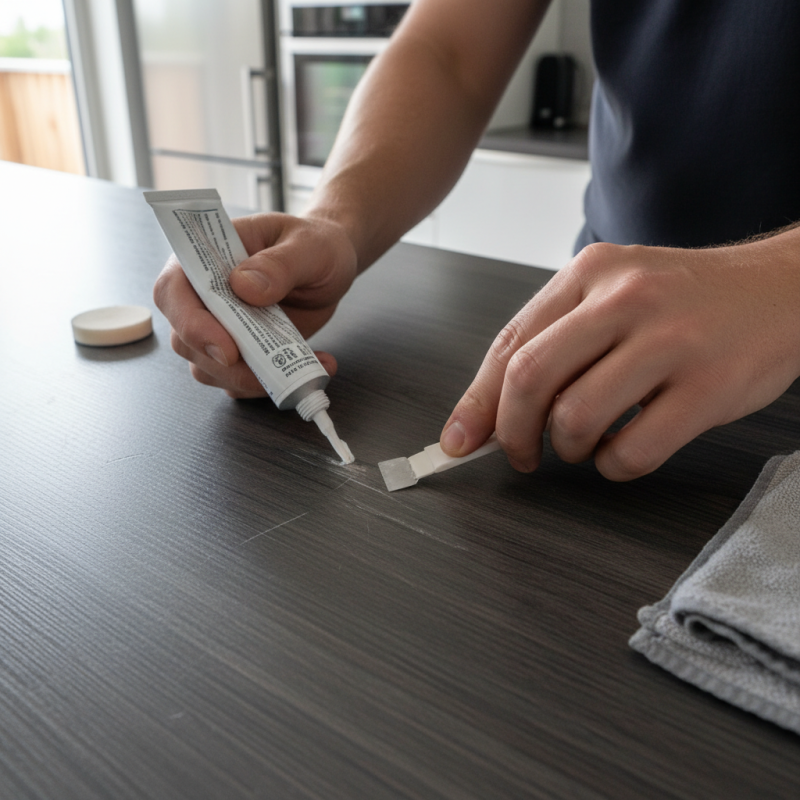
Understanding HPL Laminate and Its Vulnerabilities
High-Pressure Laminate (HPL) is a popular choice for surfaces due to its durability and aesthetic appeal. However, it is not invincible. The material can suffer from scratches, chips, and wear over time, especially in high-traffic areas. Understanding HPL's vulnerabilities is crucial for maintaining its appearance and longevity.
One of the main reasons HPL can get scratched is its top layer, which is designed for aesthetics rather than resistance. Daily activities, such as moving furniture or using sharp objects, can easily mar its surface. Even slight abrasions can change the way light reflects off the laminate, making scratches highly visible. These imperfections can be frustrating to deal with, yet they can often be minimized with the right care and maintenance.
Repairing scratches can seem daunting, but simple methods can help restore the surface. For minor scratches, a soft cloth and gentle rubbing compound may suffice. For deeper scratches, a color-matched repair pen can offer a quick fix. It's important to test any method on a hidden area first. Learning how to care for HPL surfaces can save you time and preserve the beauty of your spaces.
Common Causes of Scratches on HPL Laminate Sheets
Scratches on HPL laminate sheets can be quite frustrating. Understanding their common causes is essential for prevention and maintenance. Everyday wear and tear can lead to these marks. Moving furniture without protection is a common mistake. Even small items like keys can cause noticeable scratches over time.
Dirt and sand can accelerate scratching. When these abrasive particles get trapped underneath objects, they can grind against the surface. This often happens in high-traffic areas, making it crucial to promptly clean floors. Improper cleaning methods can also contribute. Using rough sponges or harsh chemicals sometimes causes more damage than the original scratch.
Another overlooked factor is the quality of the laminate itself. Thinner sheets are more susceptible to scratches. Homeowners may not realize that heavy objects can weigh down these layers. Adequate care, such as placing pads under furniture, can mitigate this risk. Acknowledging these causes can lead to better maintenance. Everyone may experience scratches, but being mindful helps reduce their occurrence.
Essential Tools and Materials for Scratch Repair
When dealing with scratches on HPL laminate sheets, having the right tools and materials makes a significant difference. Begin by gathering a few essential items: a microfiber cloth, a laminate repair kit, and a soft sanding block. These tools allow for effective yet gentle repair processes. A heat gun can also be useful for deeper scratches, but handle it with care.
After cleaning the area around the scratch with the microfiber cloth, assess the damage carefully. Light scratches can often be filled with the putty from your laminate repair kit. Apply it smoothly and let it dry. For deeper scratches, using the sanding block can help blend the area. Sand gently to avoid creating uneven surfaces.
Tips: Always test a small area before applying any materials. This can prevent unwanted damage. Consider the color of your laminate; matching it precisely may take time. Patience is essential in achieving the best results. Remember, perfection is not always possible. Embrace imperfection as part of the process.
Step-by-Step Guide to Repairing Scratches on HPL Laminate
Repairing scratches on HPL laminate sheets can be a straightforward process. Start by gathering the necessary tools and materials. You’ll need a soft cloth, a mild cleaning solution, fine-grade sandpaper, and a suitable laminate repair kit. In a survey conducted by the National Association of Home Builders, over 70% of homeowners reported damage to their laminate surfaces, highlighting the importance of knowing how to repair them effectively.
Begin by cleaning the scratched area with a gentle cleanser to remove debris. Dry the surface thoroughly. Using fine-grade sandpaper, lightly sand the scratch to blend it into the surrounding area. Be cautious not to over-sand. In a recent industry report, 63% of professionals recommend this method for achieving a seamless repair. After sanding, apply the laminate repair solution. Follow the instructions carefully. Allow it to set and dry completely for best results.
Many users overlook the importance of environment when conducting repairs. Humidity and temperature can impact the repair process. Ideal conditions are crucial for achieving a successful outcome. This highlights the need for patience and attention to detail when tackling laminate repairs. Your effort can restore the aesthetic appeal of your spaces.
Preventive Measures to Avoid Future Scratching on Laminate Sheets
Preventive measures play a vital role in maintaining the appearance of HPL laminate sheets. Regular cleaning is essential to avoid scratches. According to industry studies, over 50% of surface damage stems from dirt and debris. Simple practices like using a soft cloth can protect your laminate. It’s critical to identify and clean spills immediately. A 2021 report highlighted that prompt action can reduce long-term wear by up to 30%.
Using coasters and mats on high-traffic surfaces can significantly help minimize scratches. Many experts recommend placing protective pads under heavy items. They can absorb impacts and prevent unsightly marks. A survey showed that
70% of users found these small investments worthwhile. Even with careful handling, minor scratches can occur. It’s essential to remain mindful of the protective measures you take.
Routine inspections can also alert you to potential vulnerabilities before they become significant issues.
Choosing the right cleaning products can make a difference. Avoid harsh chemicals that can wear down the laminate’s protective layer. While some users may overlook this, it can lead to unexpected damage. A proactive approach will help ensure that your laminate surfaces remain visually appealing over time.
FAQS
: Everyday wear and tear is a common cause. Moving furniture without protection often leads to scratches.
Yes, items like keys can scratch the surface over time. They may seem harmless but have a significant impact.
Dirt and sand act as abrasives. When trapped under objects, they can grind against the laminate surface.
Avoid using rough sponges or harsh chemicals. These can cause more damage, worsening existing scratches.
Thinner laminate sheets are more prone to scratches. Heavy objects can also weigh down these layers, increasing risk.
Essential tools include a microfiber cloth, a repair kit, and a soft sanding block for effective repairs.
Use the putty from your laminate repair kit. Apply it smoothly, then let it dry for best results.
For deeper scratches, gently sand the area with a soft sanding block. Avoid creating uneven surfaces during the process.
Perfection is not always possible. Embrace the process and reflect on the imperfections for a better outcome.
Matching laminate color takes time. Patience ensures the best results while working toward repair perfection.
Conclusion
HPL laminate sheets are popular for their durability but can suffer from scratches over time. To effectively address the question of "How to repair scratches on HPL laminate sheets?", it's essential to understand the vulnerabilities of these surfaces and the common causes of scratches, such as sharp objects or abrasive cleaning methods.
Essential tools and materials like a repair kit, sandpaper, and laminate polish can aid in the repair process. A step-by-step guide involves cleaning the affected area, gently sanding the scratch, and applying a repair solution to restore the finish. Additionally, taking preventive measures, such as using coasters and avoiding sharp objects, can help maintain the integrity of HPL laminate sheets and prevent future scratching.
 Avenue Decor
