Avenue Decor Avenue Decor

10 Essential Tips to Seal Plywood Edges Against Moisture?

Time:2026-06-13 Author:Mason
0%

Plywood is a popular material in construction and furniture making. Its versatility is matched by its vulnerability to moisture. According to industry reports, untreated plywood can absorb up to 25% of its weight in water. This moisture can lead to warping, delamination, and mold growth, compromising both appearance and structural integrity.

When exploring how to seal the edges of plywood to prevent moisture intake, it's crucial to understand the right techniques and materials. Common sealing options include paints, primers, and specialized edge banding. Each method has its pros and cons. Selecting the wrong product can result in insufficient protection and costly repairs down the line.

Incorporating moisture barriers is not just an option; it's a necessity for durability. Some manufacturers advocate for specific sealing products based on their research, yet many DIYers overlook the crucial edge finishing process. Understanding these factors is key to achieving long-lasting results in your projects.
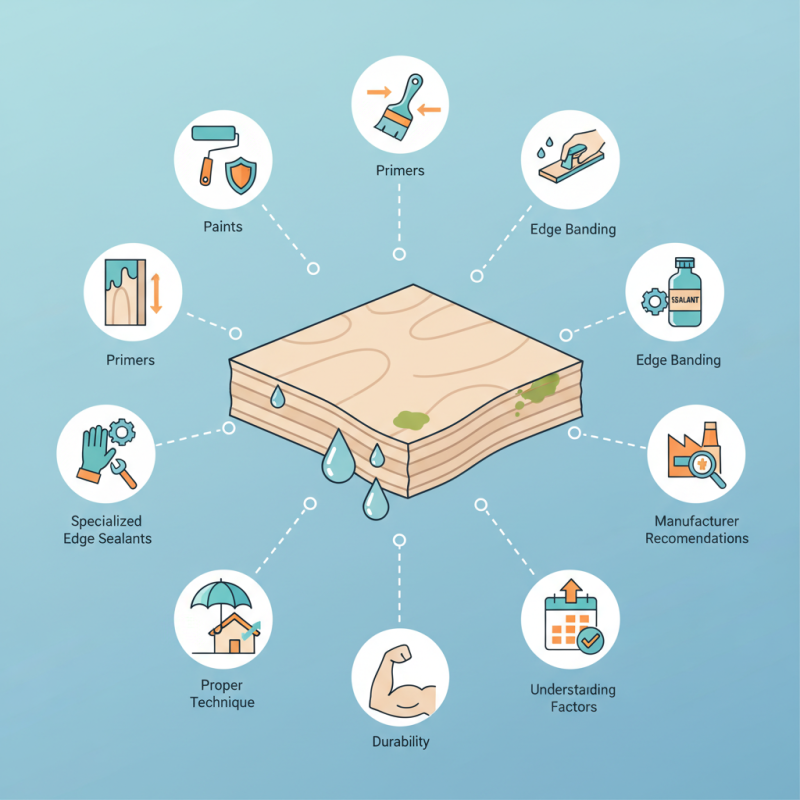
10 Essential Tips to Seal Plywood Edges Against Moisture?

Understanding the Importance of Sealing Plywood Edges

Sealing plywood edges is crucial. Moisture can warp and damage the wood. Unprotected edges absorb water, leading to deterioration. If you want your plywood projects to last, proper sealing is key.

When sealing, start with a clean surface. Use sandpaper to smooth edges. Dust may affect adhesion. Choose an appropriate sealant like polyurethane or epoxy. These materials provide strong protection. Apply several coats for added durability.

Temperature and humidity impact drying times. Be patient; this step is essential. Inspect your work for thin spots or missed areas. These can be potential weaknesses. Regular maintenance can also help. Over time, reapply sealants to ensure lasting protection.

Identifying Common Moisture Threats to Plywood

Plywood is susceptible to moisture, which can lead to warping and decay. Understanding common moisture threats is crucial for any project involving plywood. One significant risk comes from direct water exposure, such as spills or standing water. Even a small amount of moisture can penetrate unsealed edges over time, causing serious damage.

Humidity also poses a threat. In damp environments, moisture can infiltrate plywood edges, weakening the material. This is especially true in basements or near water sources. Improper ventilation exacerbates the issue, trapping moisture and causing the plywood to swell. Another common source of moisture exposure is condensation. When warm air meets cold surfaces, droplets can form on plywood edges.

It’s essential to inspect the workspace and identify potential moisture sources, like leaky pipes or poor drainage. These hidden threats can compromise your plywood's integrity. Consider creating a checklist to ensure proper sealing methods are employed. Regular maintenance checks will help keep your plywood in good condition. Trusting your instincts and being proactive can mitigate these risks.

Choosing the Right Sealant for Plywood Edges

Choosing the right sealant for plywood edges is crucial in maintaining the material’s integrity. The right sealant can prevent moisture penetration, which leads to warping and decay. In a study by the Forest Products Society, it was reported that untreated edges can absorb up to 30% more moisture than sealed. Selecting a sealant that is specifically designed for wood can mitigate this issue significantly.

Consider using a polyurethane or epoxy sealant. These materials provide a durable barrier against moisture. They also adhere well to plywood, ensuring full coverage. Professionals often recommend a thorough application, focusing on corners and edges, where moisture is likely to enter. Testing a small area first is wise to assess compatibility and adhesion. Woodworkers have noted that some sealants require frequent reapplication. This is a point to ponder, as maintenance needs can vary based on environmental conditions.

While many sealants claim effective moisture protection, some may not perform as advertised. A 2022 report indicated that inconsistent application technique often leads to failures in sealing. Engaging with experienced users can shed light on practical applications of these products. Ultimately, weighing the long-term costs of maintenance against the benefits of proper sealing is necessary for any project involving plywood.

Step-by-Step Guide to Properly Seal Plywood Edges

Sealing plywood edges is crucial for protecting against moisture. This is especially important in environments subject to humidity. Studies show that untreated plywood can swell and warp when exposed to moisture, leading to structural failure. Proper sealing can extend longevity and maintain structural integrity.

Begin by choosing the right sealant. A water-based polyurethane often provides a strong, durable finish. Apply the sealant generously along the edges. Make sure to follow the manufacturer's instructions for the best results. The first coat should cover the surface fully, allowing time to dry completely. Repeat the process for a second coat to ensure thorough protection.

Don't overlook the sanding process. Lightly sanding the edges can enhance adhesion. A fine-grit sandpaper works well and should be used gently to avoid damage. After sanding, wipe off any dust. It's a step often missed, yet it significantly affects the seal's effectiveness. Be mindful of how environmental factors, like humidity and temperature, might influence the curing process. Inconsistent conditions can lead to patchy results and compromise the seal. Regular checks on your sealed edges are necessary to maintain protection and address any wear that may occur over time.

Maintaining Sealed Plywood: Tips for Longevity and Protection

Plywood is a versatile material often used in construction and furniture making. However, it is vulnerable to moisture. Proper sealing can extend its life significantly. According to industry reports, untreated plywood can swell and warp when exposed to humidity levels above 70%. Maintenance is essential for longevity.

One effective method involves using a high-quality sealant. This creates a robust barrier against moisture. A study published in the Journal of Wood Science indicates that applying a sealant reduces water absorption by up to 80%. This highlights the importance of choosing the right product. Regular inspection is also crucial. Even small cracks can allow moisture penetration.

Another aspect to consider is the environment. Plywood stored in damp conditions will deteriorate faster. Elevating plywood off the ground can prevent moisture creep. Additionally, monitoring humidity levels in storage spaces is advisable. Aim for levels below 50% whenever possible. By taking these preventive measures, the lifespan of plywood can be significantly enhanced. It's a worthy investment for any project.

FAQS

: What are common moisture threats to plywood?

: Common threats include direct water exposure, humidity, condensation, and hidden sources like leaky pipes.

How can humidity affect plywood?

Humidity can infiltrate plywood edges, weakening the material, especially in damp areas like basements.

Why is sealing plywood edges important?

Sealing edges helps protect against moisture damage, which can lead to warping and structural failure.

What is the recommended sealant for plywood?

A water-based polyurethane is often recommended for its strong, durable finish on plywood edges.

How should I prepare plywood edges before sealing?

Lightly sand the edges using fine-grit sandpaper to enhance adhesion before applying sealant.

How often should I check sealed plywood?

Regular checks are necessary to maintain protection and address any wear that may occur over time.

What storage conditions are best for plywood?

Elevating plywood off the ground and maintaining humidity levels below 50% can help prevent moisture damage.

Can small cracks affect plywood integrity?

Yes, even small cracks can allow moisture to penetrate and compromise the plywood’s structural integrity.

What happens if the sealing process is done incorrectly?

Inconsistent conditions or missed steps can lead to patchy results and weaken the plywood’s protection.

How does the environment influence plywood maintenance?

Plywood in damp conditions deteriorates faster, making it crucial to monitor humidity and properly store the material.

Conclusion

Sealing plywood edges is crucial for protecting the material from moisture, which can lead to significant damage over time. Understanding the importance of sealing involves recognizing the common threats that moisture poses to plywood, such as high humidity and direct water exposure. To effectively learn how to seal the edges of plywood to prevent moisture intake, one must select the appropriate sealant and follow a step-by-step guide for application.

After sealing, proper maintenance is essential to ensure the longevity of the plywood. Routine inspections and touch-ups will help preserve the protective barrier, ultimately extending the life of the plywood and maintaining its structural integrity. By implementing these essential tips, anyone can achieve durable and moisture-resistant plywood installations.

Mason

Mason

Mason is a seasoned marketing professional with a deep expertise in the company's offerings and a passion for driving brand awareness. With a strong background in digital marketing strategies, he has an innate ability to connect with diverse audiences and effectively communicate product benefits.......