Avenue Decor
WPC outdoor wall cladding has gained popularity for its durability and aesthetic appeal. Many homeowners seek to understand its longevity. Therefore, "What is the lifespan of WPC outdoor wall cladding?" becomes a crucial question.
WPC, or wood-plastic composite, combines wood fibers and plastic. This mixture offers resistance against decay and insects. Typically, WPC cladding can last 15 to 25 years. Factors such as climate, maintenance, and installation greatly influence durability.
Feedback from users highlights mixed experiences. Some report excellent performance under harsh weather, while others notice wear and fading over time. Understanding these details is vital for making informed decisions. Choosing WPC cladding requires consideration of both benefits and limitations.
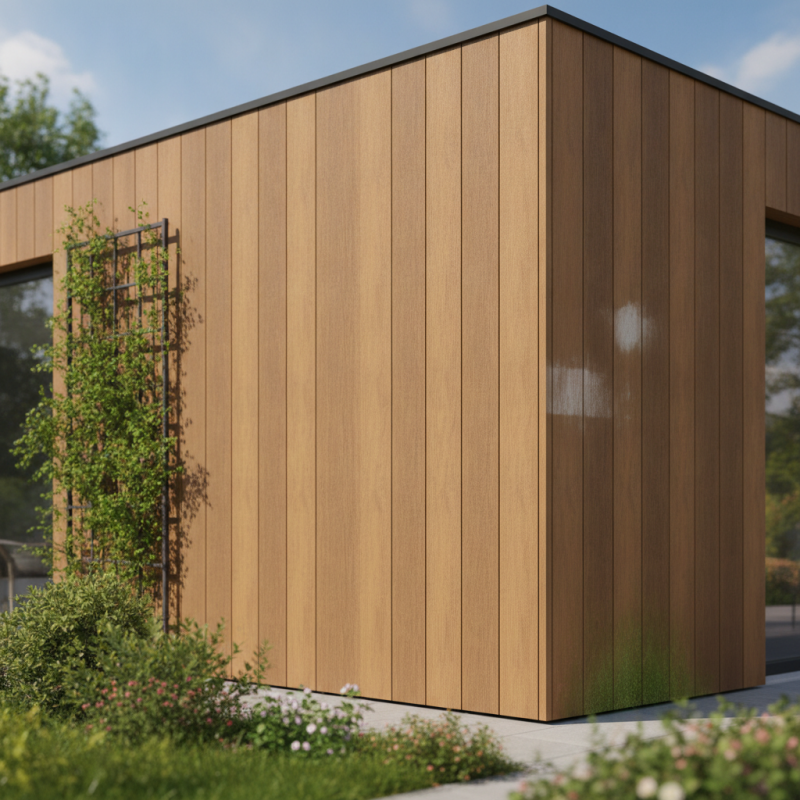
When considering the lifespan of WPC outdoor wall cladding, several factors come into play. The quality of the materials used is paramount. Robust compositions can withstand weather changes better than lower-grade options. Over time, inferior materials may warp or fade, impacting both aesthetics and longevity. Environment also plays a significant role. Areas with high humidity or extreme temperatures may accelerate wear and tear.
Installation practices can heavily influence durability. Properly securing the cladding ensures it stays intact despite harsh weather. Inconsistent installation could lead to gaps that trap moisture. Maintenance practices are equally vital. Regular cleaning can prevent mold and buildup, which can degrade the surface. However, neglecting these tasks may shorten the cladding’s life significantly.
Finally, understanding the specific environment where the cladding is installed is crucial. Urban areas may expose cladding to pollutants that compromise integrity. Natural surroundings may introduce pests or organic decay. Factors like sunlight exposure can lead to fading, necessitating reflective coats or shields. Ultimately, a thorough consideration of these factors can guide homeowners in making informed decisions.
WPC, or wood-plastic composite, is gaining popularity in outdoor applications. Its composition typically includes recycled wood fibers and plastic materials. This mixture gives WPC unique properties. The blend enhances its durability and resistance to moisture.
Unlike traditional wood, WPC does not warp easily. It maintains its appearance over time.
Understanding the properties of WPC materials is crucial for making informed decisions. WPC is generally resistant to rot and insects. This makes it ideal for outdoor wall cladding. However, it is not entirely maintenance-free. Regular cleaning is needed to maintain its aesthetic appeal. The colors can fade over long periods, especially in direct sunlight.
When considering lifespan, environmental factors play a key role. WPC can last over 25 years in optimal conditions, but exposure to extreme weather can impact durability. Some users report issues with scratching or staining. These potential drawbacks remind us that not all WPC products perform equally. It’s essential to assess individual project needs and requirements carefully.
When it comes to WPC (Wood Plastic Composite) outdoor wall cladding, durability is key. Understanding industry standards for testing the lifespan of WPC products can greatly influence buying decisions. Reliable testing usually involves exposure to various environmental elements, such as UV light, moisture, and temperature changes. By simulating these conditions, manufacturers assess how well their products withstand wear and tear.
Tips: Always check for standardized tests such as ASTM D6662 or ASTM D7032. These can provide insights into a product's long-term performance. Products with stringent testing reassure consumers about their investment.
However, not all WPC wall cladding is created equal. Some manufacturers may overlook comprehensive testing, which leads to misleading claims about durability. A thorough investigation of test results can reveal inconsistencies. It's crucial for buyers to remain vigilant and not take marketing claims at face value. Reliable products should combine aesthetic appeal with proven resilience, ensuring they stand the test of time.
Tips: Look for third-party certifications. These offer an extra layer of credibility. Always compare multiple sources before making decisions.
When evaluating the lifespan of WPC (Wood-Plastic Composite) outdoor wall cladding, it's essential to consider environmental conditions. Factors like UV exposure, humidity, and temperature fluctuations can significantly affect the material's longevity. A recent industry study indicated that WPC cladding could last between 10 to 30 years, depending on these conditions. For instance, areas with high UV radiation typically see a reduction in the composite's structural integrity over time.
Moisture levels are critical too. Excessive humidity can lead to mold and mildew, while overly dry conditions might cause the material to crack. A balanced climate is crucial for optimal durability. Reports show that WPC products maintained in moderate climates can outperform those in extreme weather conditions by as much as 20%.
Tip: Regular maintenance is key. Clean your WPC cladding with a soft brush and soapy water at least twice a year.
In addition, choosing WPC that contains UV inhibitors can help mitigate sun damage. Installing cladding in shaded areas can also prolong its life. Ultimately, understanding and adapting to local environmental conditions is vital for maximizing the lifespan of your WPC outdoor wall cladding.
WPC (Wood-Plastic Composite) outdoor wall cladding is popular for its durability and aesthetic appeal. However, its lifespan can vary significantly based on maintenance practices. Regular upkeep can extend its life, making it a wise investment.
To maintain WPC wall cladding, start with regular cleaning. Commercially available cleaners or a simple soap-and-water solution works well. Studies indicate that proper cleaning can increase lifespan by up to 30%. Additionally, inspect the cladding for any signs of damage or wear. Early detection can prevent costly repairs.
Tips:
- Ensure proper drainage around the cladding.
- Avoid direct contact with soil to minimize moisture retention.
- Reapply protective coatings every few years for added durability.
Another vital practice involves managing UV exposure. WPC can fade over time due to sunlight. Using UV-resistant finishes can help protect the surface. According to industry data, UV protection can enhance the cladding's life by five years or more.
While these practices can significantly help, it is crucial to acknowledge that no material is immune to wear. Considering this, homeowners should remain observant and proactive about maintenance to ensure the longevity of their WPC wall cladding.
| Maintenance Practice | Frequency | Expected Impact on Lifespan | Notes |
|---|---|---|---|
| Regular Cleaning | Every 3 months | Increases lifespan by up to 2 years | Use a mild detergent and soft brush. |
| Inspect for Damage | Twice a year | Identifies issues early, can add 1-3 years | Look for cracks or discoloration. |
| Sealing | Every 2 years | Maintains appearance and prolongs life by 3-5 years | Choose a good quality sealer suitable for WPC. |
| Avoiding Harsh Chemicals | Ongoing | Prevents material degradation, might extend life indefinitely | Always read labels before using cleaning products. |
| Proper Installation | Initial Process | Can extend life by up to 10 years | Ensure correct spacing and fastening during installation. |
: WPC stands for Wood Plastic Composite. It is used for outdoor wall cladding.
Durability tests expose WPC to UV light, moisture, and temperature changes.
Look for standardized tests like ASTM D6662 and ASTM D7032 for performance insights.
Regular maintenance can extend the lifespan of WPC wall cladding significantly.
Use commercially available cleaners or a simple soap-and-water solution for cleaning.
Ensure proper drainage and avoid direct contact with soil to minimize moisture retention.
WPC can fade due to sunlight. UV-resistant finishes can protect it from this damage.
Regular inspections for damage or wear can prevent costly repairs and ensure longevity.
No material is immune to wear, but proactive maintenance helps enhance WPC lifespan.
Reapplying protective coatings every few years can add extra durability to WPC cladding.
The article "How to Determine the Lifespan of WPC Outdoor Wall Cladding?" explores critical factors that influence the durability and longevity of WPC (Wood Plastic Composite) materials used for outdoor wall cladding. Key considerations include the composition and properties of WPC, which determine its resistance to environmental stressors. Industry standards for WPC durability testing help evaluate its performance, while various environmental conditions, such as UV exposure and moisture levels, significantly impact its lifespan.
Furthermore, effective maintenance practices are essential to prolong the life of WPC wall cladding. By addressing the question, "What is the lifespan of WPC outdoor wall cladding?" the article emphasizes that while it varies based on these influencing factors, understanding them can help homeowners and builders make informed decisions to ensure the long-term performance of their outdoor installations.
