Avenue Decor
High-pressure laminate (HPL) plywood surfaces are popular for their durability and versatility. However, maintaining their appearance and functionality requires regular care. Many users wonder, "How to clean and maintain HPL plywood surfaces?" The right maintenance procedures can significantly extend the life of these surfaces.
Effective cleaning involves using the proper materials and techniques. For instance, avoid harsh chemicals that can harm the laminate. Instead, opt for mild detergents and soft cloths. Understanding these details makes a difference in preserving the surface quality. Moreover, regular inspections can help identify early signs of wear. Ignoring maintenance can lead to unforeseen issues down the line.
Proper maintenance is a blend of attention and knowledge. You might find that what works for one surface does not for another. Experimenting with different methods can help discover the best approach for your specific needs. Remember, each step in maintaining HPL plywood surfaces matters.
HPL (High-Pressure Laminate) plywood surfaces have gained popularity in construction and design for their durability and aesthetic appeal. Composed of layers of paper and resin, HPL is compressed under high pressure. This process creates a dense, hard surface that is resistant to scratches, stains, and moisture. A report by the Wood-based Panels International indicates that HPL surfaces exhibit a lifespan extending up to 25 years when properly maintained, highlighting their effectiveness in high-use environments.
The features of HPL plywood make them ideal for various applications. Their resistance to wear is well-documented, with studies showing HPL outperforming standard plywood in key areas. For instance, they resist fading and discoloration from UV light exposure, maintaining their color palette over time. However, improper cleaning methods can compromise these surfaces. Some users mistakenly apply abrasive cleaners, which can dull the finish and lead to irreparable damage. Recognizing the importance of proper maintenance practices, professionals recommend using mild soaps and soft cloths for daily cleaning.
In addition, HPL surfaces offer customizable designs, allowing for a range of colors and textures. This versatility can lead to overestimation of their robustness. While they are durable, environments with excessive heat or heavy impacts might challenge their integrity. Regular assessments of surface conditions are essential for optimizing their longevity. Understanding and respecting these aspects of HPL plywood surfaces will ensure they remain a reliable choice for years to come.
| Aspect | Detail |
|---|---|
| Composition | High-pressure laminate (HPL) is made of layers of paper and resin compressed under high temperature and pressure. |
| Features | Durable, moisture resistant, scratch resistant, available in various designs and colors. |
| Cleaning Method | Use a mild detergent mixed with warm water and a soft cloth to wipe down the surface. |
| Avoid | Do not use abrasive cleaners, scour pads or high-pH products that could damage the finish. |
| Maintenance Tips | Regularly dust surfaces with a soft cloth and polish with suitable products to maintain shine. |
| Storage Conditions | Keep HPL plywood surfaces away from extreme temperatures and direct sunlight to prevent warping. |
| Replacement | Consider replacing panels if significant damage or wear occurs that cannot be repaired effectively. |
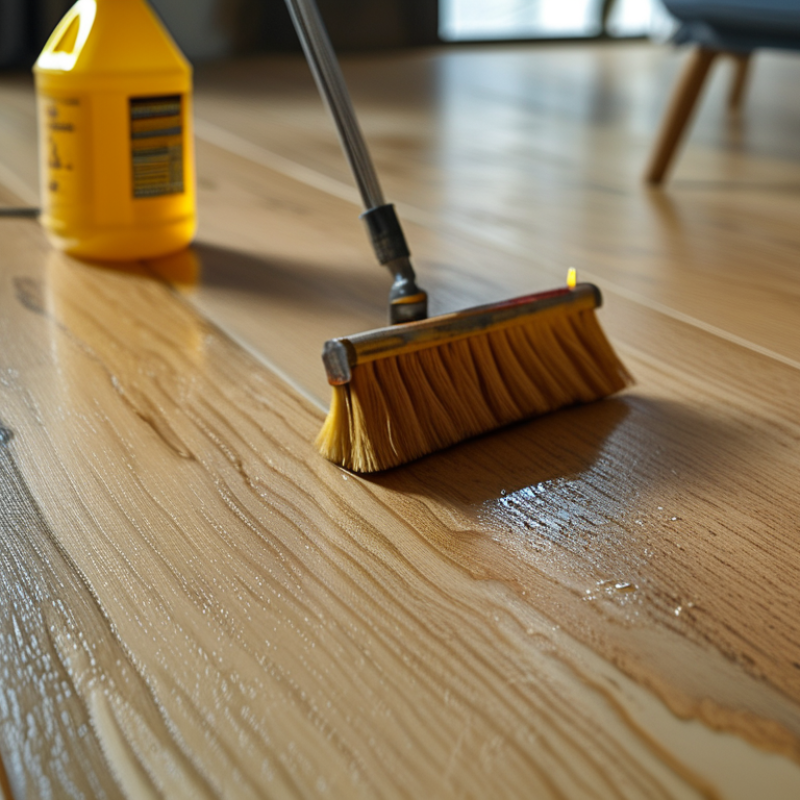
Cleaning and maintaining HPL (High-Pressure Laminate) plywood surfaces is crucial for longevity. To effectively tackle this task, having the right tools is essential. Microfiber cloths are excellent for dust and dirt, as they trap particles without scratching the surface. A soft-bristle brush can help in reaching crevices, while a gentle cleaning solution ensures the surface remains undamaged.
Tips: Always test any cleaning solution on a small, hidden area first. This way, you can check for discoloration or damage. Avoid harsh chemicals, as they may strip away the laminate's protective layers. Regularly inspect your surfaces for stains or scratches. Addressing these issues early can prevent more extensive damage over time.
Another handy tool is a sponge mop, which can make cleaning larger areas much easier. Ensure you wring it out well to prevent excess water exposure. Remember, too much moisture can warp the plywood. When spills occur, act quickly, and gently blot the area instead of rubbing it. A careful approach goes a long way in maintaining the look and finish of your HPL plywood surfaces.
Cleaning and maintaining High-Pressure Laminate (HPL) plywood surfaces is essential for their longevity and appearance.
It is important to follow a clear, step-by-step cleaning process.
Start by removing any loose dirt and debris using a soft brush or microfiber cloth.
This prevents scratching the surface during cleaning.
According to industry data, regular maintenance can extend the life of HPL surfaces by up to 50%.
Choose a mild soap solution to address stains or spills.
Dampen a cloth with the solution and gently wipe the surface.
For tougher stains, use a non-abrasive cleaner.
Aggressive scrubbing can damage the laminate finish.
After cleaning, rinse with a damp cloth and dry thoroughly.
Avoid using abrasive tools, as they can leave marks that degrade the laminate over time.
Tips:
Always test any cleaning solution on a small, inconspicuous area.
This ensures it does not affect the color or sheen of the surface.
Regularly inspect for any scratches or damage.
Early intervention can prevent further deterioration, maintaining the beauty of HPL plywood.
Remember, even minor accidents can lead to bigger issues if not addressed promptly.
Make cleaning a routine to protect your investment in high-quality surfaces.
Cleaning HPL plywood surfaces is essential for maintaining their appearance and durability. Choosing the right cleaning solutions is crucial. For regular cleaning, a mixture of mild soap and warm water often works well. This solution effectively removes dust and light stains. Applying it with a soft cloth prevents scratches.
For tougher stains, a mild all-purpose cleaner can be useful. Spray the cleaner directly onto the surface and wipe it with a clean microfiber cloth. Avoid abrasive scrubbers; they can damage the surface. A mixture of vinegar and water is also effective for removing grime. This natural solution can tackle tough spots without harsh chemicals.
It's important to avoid using bleach or ammonia-based cleaners. These can discolor HPL plywood over time. Always spot-test any new cleaning solution on a small, hidden area first. This ensures compatibility with your specific surface. Remember, consistent maintenance helps avoid heavy scrubbing later on. Regular care contributes to the longevity of your HPL plywood surfaces, making them look their best.
HPL plywood surfaces require regular maintenance to ensure their longevity and beauty. One of the simplest methods to keep them looking fresh is routine dusting. Use a soft, dry cloth to remove dirt and dust. This prevents scratches and maintains the surface’s sheen. However, many forget this step and end up with buildup that’s hard to clean.
For deeper cleaning, a damp cloth with mild soap works wonders. Avoid harsh chemicals that can damage the surface. Too often, users mistakenly apply abrasive cleaners, which can scratch or dull the finish. It’s crucial to test any cleaner on a small area first. This technique confirms safety and effectiveness.
Additionally, applying a protective sealant can prolong the life of HPL plywood. However, not everyone realizes that this requires periodic reapplication. Even the most cautious owners must be vigilant. With time, wear and tear can affect the surface. Regular maintenance doesn’t just preserve appearance; it enhances durability, ensuring that HPL plywood continues to serve well.
: HPL plywood surfaces consist of layers of paper and resin compressed under high pressure.
With proper maintenance, HPL surfaces can last up to 25 years.
Their durability and aesthetic appeal make them a favored choice in construction and design.
Yes, using abrasive cleaners can dull the finish and cause irreparable damage.
Use a mixture of mild soap and warm water with a soft cloth for regular cleaning.
Yes, avoid bleach or ammonia-based cleaners as they can discolor HPL plywood over time.
While durable, excessive heat or heavy impacts can challenge their integrity. Regular assessments are advised.
A mild all-purpose cleaner or a vinegar-water mixture can help remove tough stains effectively.
Yes, always spot-test new cleaning solutions on a small area to ensure compatibility.
Neglecting regular care can lead to heavy scrubbing later and reduce the surface's longevity.
When considering "How to clean and maintain HPL plywood surfaces?", it's essential to understand the composition and features of HPL plywood, which contribute to its durability and functionality. The effective cleaning process involves utilizing specific tools and recommended cleaning solutions that ensure the surface remains pristine without damage.
A step-by-step cleaning approach is crucial to eliminate dirt and grime while maintaining the plywood's finish. Regular maintenance tips are also vital to prolong the life of HPL plywood, such as avoiding harsh chemicals and ensuring proper cleaning techniques are applied. By following these guidelines, one can effectively care for HPL plywood surfaces, ensuring their longevity and aesthetic appeal.