Avenue Decor Avenue Decor

How to Choose Between WPC and SPC Flooring Options?

Time:2026-07-22 Author:Henry
0%

When considering flooring options, many homeowners face a critical choice: WPC or SPC flooring. Both options offer unique benefits and drawbacks, appealing to various lifestyles and budgets. The global market for these innovative flooring types is expected to reach $2.3 billion by 2027, highlighting their growing popularity.

What is the difference between WPC and SPC flooring? WPC stands for Wood Plastic Composite, while SPC represents Stone Plastic Composite. WPC flooring is known for its softness and warmth, making it a comfortable choice for residential settings. Conversely, SPC flooring boasts superior durability and waterproof qualities, suited for high-traffic areas. According to reports, SPC is gaining traction in commercial spaces due to its resilience.

Understanding these differences is crucial when selecting the right flooring. Not all products are created equal; some may not live up to durability claims. Choices should stem from individual needs and preference. Informed decisions can lead to satisfaction, but careful consideration of performance and aesthetics is essential before making a selection.
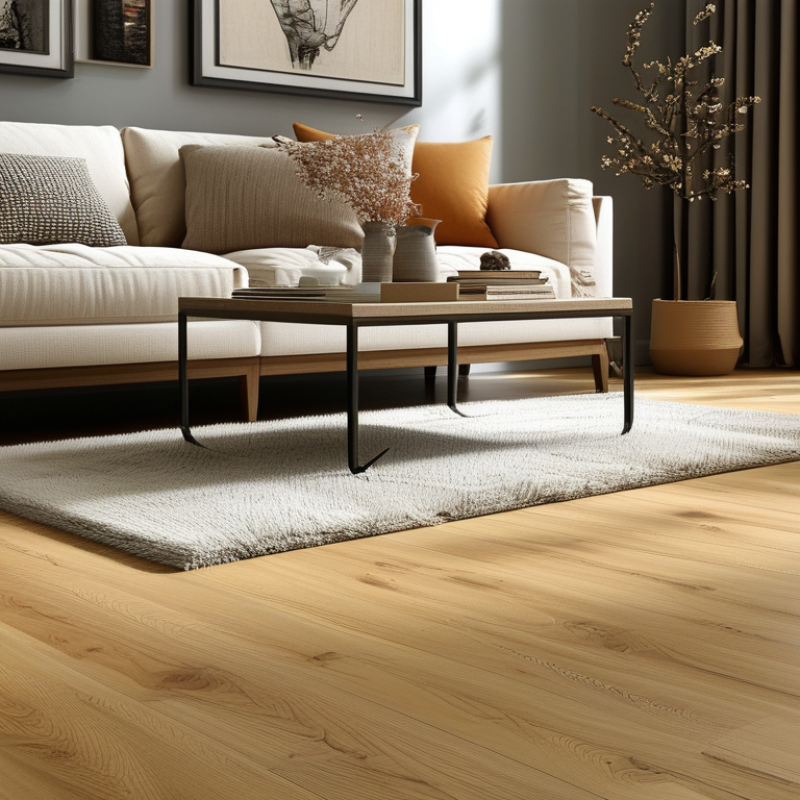
How to Choose Between WPC and SPC Flooring Options?

Understanding WPC and SPC Flooring Basics

When considering WPC and SPC flooring, understanding their basic properties is crucial. WPC, or Wood Plastic Composite, blends wood fibers with thermoplastics. This combination creates a more comfortable feel underfoot, making it ideal for residential areas. Its varied designs mimic natural wood, enhancing aesthetic appeal. However, its softness can make it less durable in high-traffic areas.

SPC, or Stone Plastic Composite, consists of a rigid core made from limestone and PVC. This structure provides superior durability and resistance to moisture. SPC flooring is a better option for commercial spaces or locations prone to spills. Its firmness ensures it can withstand heavy foot traffic with ease. A downside could be its less forgiving surface, which may not offer the same warmth underfoot compared to WPC.

Both options have their unique advantages and limitations. Analyzing your specific needs and preferences is essential. Consider the room's purpose, the level of foot traffic, and your aesthetic desires. Which flooring speaks more to your lifestyle? Making the right choice involves weighing comfort against functionality.

Comparing Durability and Maintenance of WPC vs SPC

When considering WPC (Wood Plastic Composite) and SPC (Stone Plastic Composite) flooring, durability is a key factor. WPC is known for its comfort underfoot. It contains waterproof properties, making it suitable for areas like kitchens and bathrooms. However, it can be prone to scratches and dents. Homes with pets may find this a challenge. In contrast, SPC is incredibly durable. Its stone core allows it to resist heavy impacts and wear. This makes it an excellent choice for high-traffic areas.

Maintenance is another critical aspect. WPC flooring often requires regular cleaning and occasional sealing to maintain its appearance. It may need more attention to avoid long-term damage. On the other hand, SPC flooring is relatively low maintenance. Regular sweeping or vacuuming and occasional mopping are usually sufficient. However, it is crucial to avoid harsh chemicals that can damage the surface.

Overall, the choice between WPC and SPC should consider your lifestyle and specific needs. Analyzing durability and maintenance can guide you. This decision influences how much time and effort you devote to your flooring. Consider your daily routine and environment to make the best choice.

Evaluating Aesthetic Options and Design Versatility

When choosing between WPC and SPC flooring, aesthetics play a crucial role. Both options provide a variety of designs, but their visual appeal differs. WPC typically features a softer, more textured surface. This can give a cozy atmosphere to a room. On the other hand, SPC offers a more modern appearance, ideal for sleek environments. This contrast in styles is significant for homeowners and designers.

Design versatility is another key factor. WPC flooring allows for a range of colors and finishes. You can achieve a natural wood look or go bold with vibrant tones. However, SPC flooring shines in durability, especially in high-traffic areas. Yet, it may limit some creative design choices. The rigidity of SPC can sometimes lead to a less authentic feel. This can be a drawback if you desire a true luxury aesthetic.

Evaluating your space is essential. Consider the room’s purpose and traffic levels. Discuss your options with experts who understand both materials. Think about long-term maintenance and visual impact before making a decision. Balancing these needs can lead to a satisfying outcome. Reflecting on these factors helps ensure you make the right choice for your flooring project.

Assessing Cost and Budget Considerations for Flooring Choices

When deciding between WPC and SPC flooring, cost plays a key role. WPC, or Wood Plastic Composite, tends to be more expensive. Its materials resist moisture well, but this comes with a higher price tag. Many homeowners appreciate its comfort and durability, but budget-conscious buyers may hesitate. SPC, or Stone Plastic Composite, offers a more affordable alternative without sacrificing quality. Its rigid core provides excellent stability, making it popular for high-traffic areas.

Budget considerations are crucial. Installing WPC may require professional help, increasing total costs. On the other hand, SPC can often be a DIY-friendly option. This can save you money on labor costs, but installation can be tricky for some. Remember to factor in hidden expenses, like underlayment or removal of old flooring.

While a lower initial cost with SPC seems attractive, the long-term value is vital. Consider maintenance costs and lifespan. Higher-end WPC might require less upkeep over time. Reflect on how long you plan to stay in your home. Your choice should align with your lifestyle and financial strategy. Balancing upfront costs and long-term investment is essential for every homeowner.

Identifying Ideal Applications for WPC and SPC Flooring

When considering WPC (Wood Plastic Composite) and SPC (Stone Plastic Composite) flooring, it's essential to understand their unique applications. WPC flooring is often praised for its warmth and comfort. It works well in residential settings, especially in living rooms and bedrooms. The cushioning effect underfoot makes it suitable for homes with children or pets. However, it may not perform well in high-moisture areas like basements.

SPC flooring, on the other hand, offers superior durability. It is waterproof and ideal for kitchens and bathrooms. Its rigid core structure resists heavy foot traffic and impacts, making it a favorite for commercial spaces. In restaurants or retail stores, SPC flooring can withstand spills without warping. It's easy to clean and maintain, but installation might require a bit more precision.

Choosing between WPC and SPC often leads to indecision. Consider the specific environment. Each option has its pros and cons. WPC offers comfort, while SPC provides toughness. You'll need to weigh these factors carefully. The right choice can enhance your space significantly. If you often deal with moisture or wear, SPC might be the way to go. Alternatively, for cozy, quieter spaces, WPC could feel just right.

FAQS

: What is WPC flooring best known for?

: WPC is known for its warmth and comfort. It's great for living rooms and bedrooms.

Where should WPC flooring not be used?

It's not suitable for high-moisture areas, such as basements.

What are the advantages of SPC flooring?

SPC flooring is waterproof, durable, and ideal for kitchens and bathrooms.

Is installation of SPC flooring challenging?

Yes, installation requires precision but can often be a DIY project.

How does the cost of WPC compare to SPC?

WPC is generally more expensive than SPC, which is more budget-friendly.

Why is long-term value important in flooring choices?

Maintenance costs and lifespan can differ. Higher-end WPC might need less upkeep.

Can SPC flooring handle heavy foot traffic?

Yes, SPC's rigid core structure resists impacts and is durable for high traffic.

Do hidden expenses exist with flooring installation?

Yes, consider costs like underlayment and old flooring removal when budgeting.

What should you consider when choosing between WPC and SPC?

Factor in environment, comfort versus toughness, and your expected length of stay.

How can one decide between WPC and SPC?

Weigh each option's pros and cons based on your lifestyle and needs.

Conclusion

When considering flooring options, many homeowners find themselves asking, "What is the difference between WPC and SPC flooring?" Both WPC (Wood Plastic Composite) and SPC (Stone Plastic Composite) flooring offer unique benefits, but they differ significantly in composition and performance. WPC flooring, known for its comfort and warmth, combines wood and plastic, making it ideal for interior spaces. In contrast, SPC flooring is made from stone and plastic, offering superior durability and water resistance, making it suitable for high-traffic areas and moisture-prone environments.

When evaluating your flooring choice, it's essential to consider factors such as durability, maintenance, aesthetic versatility, cost, and the specific applications of each type. WPC may be more appealing for residential areas due to its aesthetic options, while SPC is often preferred for commercial or high-humidity applications due to its robustness. Understanding these distinctions can guide you in selecting the best flooring solution for your needs.

Henry

Henry

Henry is a dedicated marketing professional with a profound expertise in the company's offerings. With years of experience in the industry, he possesses an impressive understanding of the market dynamics and consumer behaviors that drive success. Henry is committed to sharing his insights through......