Avenue Decor
When embarking on a kitchen renovation, many homeowners overlook a crucial choice: the plywood grade for their cabinets. Understanding how to choose the right plywood grade for kitchen cabinets is essential. Plywood serves not only as a structural element but also affects the overall aesthetic and durability of your kitchen. Quality grades can vary significantly, impacting both cost and finish.
The right plywood enhances your cabinets’ strength and appearance. Higher grades like A or B offer smooth finishes and less visible defects, making them ideal for exposed areas. However, these options come at a higher price. Lower grades, perhaps C or D, might be practical for hidden sections, but they may present imperfections and limited lifespan.
Navigating this decision requires a balance of budget and quality. While it's tempting to opt for the cheapest option, reflecting on the long-term value is crucial. Investing in superior plywood can ultimately save money and effort in repairs and replacements. By weighing these factors, you can confidently determine how to choose the right plywood grade for kitchen cabinets that suits your needs and vision.
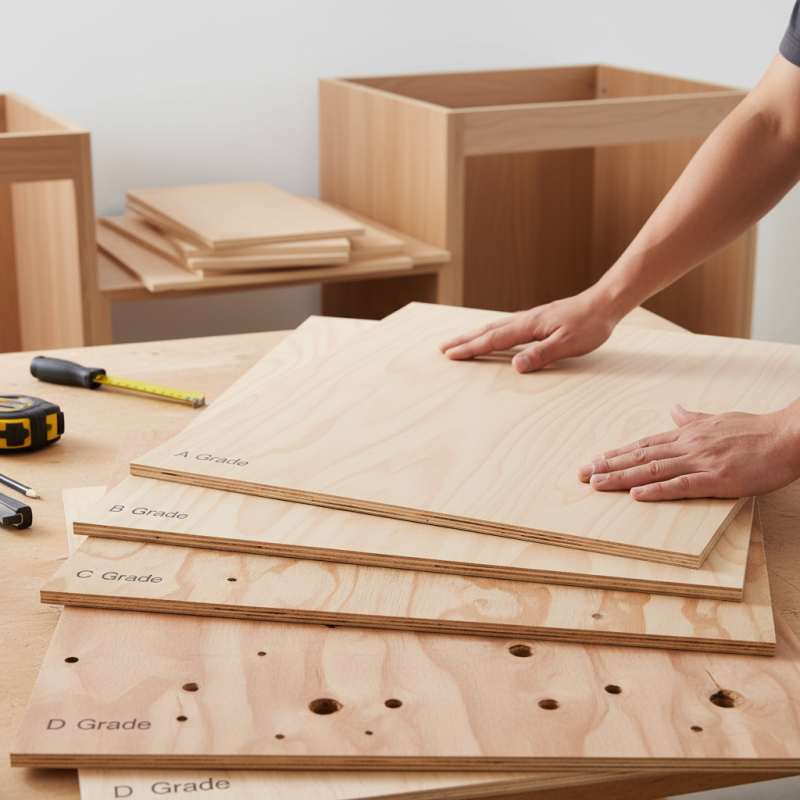
When selecting plywood grades for kitchen cabinets, understanding the differences can make a big impact. Plywood is graded based on its quality, appearance, and intended use. Typically, grades range from A to D. Grade A offers a smooth, sanded surface, ideal for visible areas. In contrast, grade D may have knots and defects, making it better for hidden sections.
Consider the wear and tear in a kitchen. Cabinets face humidity and spills. Higher grades resist moisture better. Plywood grade affects durability and long-term performance. A good choice can prevent warping and cracking over time. However, not all high-grade plywood is perfect. Even the best grades may have minor imperfections. These can challenge the assembly process.
Visualize your cabinet finish. An A-grade plywood will provide a flawless surface for painting or varnishing. But a lesser grade can save on costs. Make sure to weigh your budget against durability. Sometimes, it’s worthwhile to invest in a higher-grade plywood for the crucial areas. Reflect on how these decisions impact your project and when you might compromise efficiency for aesthetics.
When selecting plywood for kitchen cabinets, several key factors come into play. Plywood grades significantly influence durability and aesthetics. For instance, a report from the American Plywood Association states that higher-grade plywood, such as A-grade, offers a smooth finish, ideal for exposed surfaces. However, A-grade plywood can be more expensive, and homeowners must weigh the budget against quality.
Another important consideration is the plywood thickness. Standard thickness ranges from 1/4 inch to 3/4 inch. Thicker plywood provides better support and can handle heavy loads, which is crucial for kitchen cabinetry. On the other hand, thinner plywood might save money upfront but may not last as long under strain.
Additionally, the type of veneer matters. Some wood types, like birch or oak, are more resistant to moisture and wear. This resistance is vital in a kitchen environment, where spills are common. It's also worth noting that while exterior-grade plywood can withstand humidity better, it might not have the same aesthetic appeal. It’s essential to balance the functional needs with visual preferences, ensuring a well-rounded choice for kitchen cabinets.
When it comes to choosing plywood for kitchen cabinets, durability is key.
The grades of plywood can dramatically affect how well the cabinets hold up over time. Higher grades, like A or B, provide smoother finishes and greater durability against moisture and wear.
They are ideal for visible surfaces. But don’t overlook lower grades like C or D. They may have defects, yet they can serve well in hidden spaces.
This trade-off is essential to consider based on your budget.
Another important aspect is how the finish will appear. A higher-grade plywood allows for a cleaner, more polished look.
If you plan to paint or stain your cabinets, will you have issues with blemishes?
Lower-grade plywood can yield more imperfections. This can lead to frustrating results if you want a smooth surface.
It’s worth reflecting on how the finish impacts the overall design. The right choice should balance aesthetics and endurance based on your specific kitchen needs.
When selecting plywood for kitchen cabinets, balancing cost and quality is crucial. Industry reports indicate that mid-range plywood can be nearly as durable as premium options. A study by the American Plywood Association reveals that lower-grade plywood, while budget-friendly, may compromise longevity. This is essential to consider, as kitchen cabinets undergo wear and tear.
Affordable plywood often has a lower veneer thickness. This can affect the finish and aesthetic appeal of the cabinet. A report from the National Wood Flooring Association noted that high-quality plywood typically features at least five plies for added strength. If you opt for cheaper options, you might need to replace or repair cabinets sooner.
Additionally, consider the environmental impact. Seek certifications like CARB or FSC for sustainability. These may come at a higher price but provide assurance of responsible sourcing. Lower-priced options may lack these certifications, reflecting a need for your own due diligence. Ultimately, matching your budget with the right plywood grade involves trade-offs, requiring careful thought and planning.
Maintaining plywood kitchen cabinets requires thoughtful care.
Regular cleaning with a damp cloth prevents buildup of grime.
Avoid abrasive cleaners. They can scratch the surface, diminishing
the plywood's aesthetic value.
A study from the Woodworking Institute suggests that the lifespan of well-maintained plywood cabinets can exceed 20 years.
Humidity control is essential for plywood. High moisture can cause warping.
Ideally, keep kitchen humidity between 30% and 50%.
Consider using a dehumidifier if necessary.
Additionally, seal any exposed edges to prevent moisture ingress.
This simple step can significantly reduce the risk of damage.
Re-evaluating the maintenance routine is important.
Regular inspections can catch minor issues before they escalate.
For instance, if you notice peeling or discoloration, it may indicate deeper moisture problems.
Keep track of minor damages. Addressing them promptly can avoid costly repairs in the future.
Engaging with a professional service for a periodic assessment adds an extra layer of reliability to care efforts.
: Plywood is graded A to D, with A being the highest quality and D the lowest.
Higher grades resist moisture better, making them more durable in humid kitchen conditions.
Standard thickness ranges from 1/4 inch to 3/4 inch; thicker plywood supports heavier loads.
Investing in higher-grade plywood can enhance durability. However, consider if it's necessary for your budget.
Yes, lower grades may have defects but are suitable for hidden areas, saving costs.
Veneers like birch or oak resist wear and moisture, which is vital for kitchen cabinetry.
A lower-quality plywood can lead to a rough finish, affecting the overall appearance of your cabinets.
Even high-grade plywood may have minor imperfections that can complicate assembly.
Reflect on your kitchen needs. Balancing aesthetics and durability is crucial for a successful project.
Higher grades allow for a smoother finish, reducing the chance of visible blemishes in painting or staining.
When considering "How to choose the right plywood grade for kitchen cabinets?", it is essential to understand the various plywood grades available and their applications. A brief overview of plywood grades reveals differences in quality, appearance, and durability that are crucial for kitchen cabinetry. Key factors such as thickness, core material, and finish should be weighed carefully to ensure longevity and aesthetic appeal.
Additionally, comparing different grades can help you assess their durability and finish options, allowing you to make an informed choice that balances cost with quality. Finding budget-friendly plywood options is possible by exploring lower grades that still offer decent performance for kitchen use. Finally, regular maintenance and care will ensure your plywood cabinets remain in great condition over time, enhancing the overall functionality and beauty of your kitchen space.
