Avenue Decor
In the evolving landscape of interior design, WPC (Wood Plastic Composite) wall cladding has gained significant traction. It's renowned for its durability and aesthetic appeal. But many are left wondering, “What is the best adhesive for interior WPC wall cladding?” Choosing the right adhesive is crucial for ensuring longevity and stability in design.
Industry reports indicate that improper adhesive selection can lead to costly repairs and aesthetic downgrades. For instance, a study by Grand View Research reveals that the global WPC market is projected to reach $9.27 billion by 2025, underscoring the need for reliable application techniques. Selecting an appropriate adhesive is not merely about stickiness; it involves considering factors like environmental resistance and water impact.
However, what works well for one project may not suit another. The interplay of temperature, humidity, and substrate type complicates choices. As you explore your options, reflect on your specific needs and the conditions of your project. A well-informed decision can enhance both form and function, ensuring your WPC cladding stands the test of time.
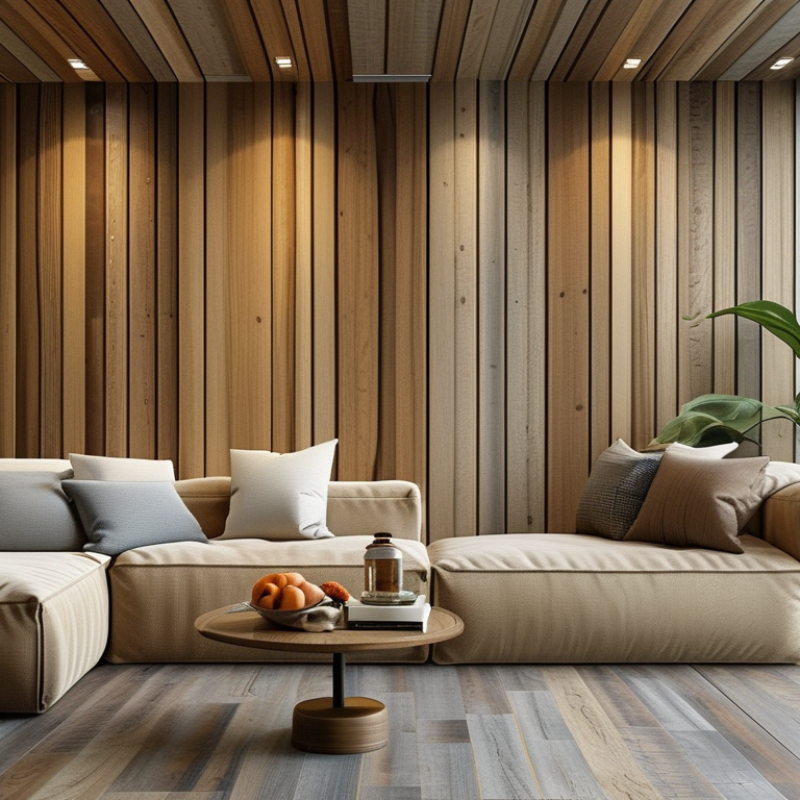
WPC, or Wood Plastic Composite, is a blend of wood fibers and thermoplastics. This innovative material offers durability and aesthetic appeal. WPC wall cladding is increasingly popular in both residential and commercial applications. It combines the look of natural wood with the resilience of plastic. Moreover, it is resistant to moisture, insects, and decay, making it an ideal choice for external cladding.
Understanding the composition of WPC is essential for selecting appropriate adhesives. The ratio of wood to plastic affects how the material behaves. Higher wood content can lead to more shrinkage and expansion with temperature changes. In contrast, a higher plastic ratio enhances waterproof qualities. Therefore, the ideal adhesive should accommodate these physical changes. Certain adhesives designed specifically for WPC provide better bonding. They ensure longevity and maintain the aesthetic appeal of the wall cladding.
Choosing the right adhesive may seem straightforward, but it requires careful consideration. Not all adhesives work well with WPC. Factors like drying time, flexibility, and environmental resistance must be evaluated. Mismatched adhesives can lead to failures, compromising your installation. Always research and consult reliable sources to find an adhesive that matches the specific characteristics of your WPC wall cladding. Understanding these factors will lead to successful projects.
When it comes to selecting adhesives for WPC wall cladding, understanding the types available is crucial. A common option is polyurethane adhesive. This adhesive provides strong bonding and water resistance. It is ideal for outdoor applications where humidity levels are high. However, it does have a longer curing time, which may delay project completion.
Another suitable choice is acrylic adhesive. It offers quick drying times and excellent flexibility. This is beneficial for WPC materials, which may expand and contract with temperature changes. While reliable, it can sometimes be less effective in extremely wet conditions. Users should test the compatibility of the adhesive with their specific WPC product.
Lastly, latex-based adhesives are also viable. They are easy to apply and clean up with water, making them user-friendly. Nevertheless, they may not hold up as well in harsh climates, leading to potential bonding failures. Consider these factors carefully to ensure the longevity of your WPC wall cladding installation. Each adhesive has its strengths and weaknesses, and understanding these is key to success.
When considering adhesives for WPC (Wood Plastic Composite) wall cladding, several factors are crucial. The type of adhesive you choose can significantly impact the longevity and durability of your installation. Environmental factors, such as exposure to moisture and temperature fluctuations, should also be assessed. WPC materials are designed to resist warping; however, the adhesive must complement these properties.
Selecting the right adhesive requires knowledge of its chemical composition. Some adhesives bond better with WPC than others. Polyurethane adhesives are often ideal due to their flexibility and strong bonding capabilities. They will accommodate the natural expansion and contraction of WPC materials over time. Always read the manufacturer's guidelines to ensure compatibility.
Here are some tips for choosing the best adhesive. Look for one that offers a strong bond while being waterproof. Check the curing time; faster options can save time during installation. Testing a small section may reveal unexpected reactions. Consider your work environment and choose an adhesive that performs well in high-humidity areas. Understanding these details can guide you toward making an informed decision.
When applying adhesives for WPC wall cladding, technique is key to ensuring a durable bond. Proper surface preparation is essential. WPC materials have a unique texture that requires cleaning to remove dust and grease. A study by the American Institute of Architects indicates that poorly prepared surfaces can lead to a 30% decrease in adhesive performance.
Different adhesives serve diverse needs. For instance, polyurethanes are known for their strong adhesion and flexibility. Epoxy adhesives can withstand harsh weather and are ideal for outdoor cladding. Functional testing suggests that selecting the right adhesive can significantly enhance the lifespan of WPC applications.
Preparation matters. Apply adhesive evenly to avoid inconsistencies. Excess adhesive can lead to leaking and slow curing times. Use tools designed specifically for adhesive application to ensure precise distribution. Monitor environmental conditions, as temperature and humidity can affect curing times. Aim for optimal conditions to achieve the best results. These small actions impact the longevity of your installation. Recognizing that not every method works for every project is crucial. Adapting techniques based on specific project needs can lead to better outcomes.
When selecting adhesives for WPC (Wood Plastic Composite) wall cladding, common mistakes can lead to costly consequences. One major error is overlooking the specific application requirements. According to industry reports, different WPC materials have varying compatibility levels with adhesives. Using a generic adhesive could result in inadequate bonding strength, risking the integrity of the installation. It is crucial to check manufacturer specifications before making a selection.
Another frequent oversight is neglecting environmental conditions. Adhesives respond differently to temperature and humidity levels. A report from the Adhesive and Sealant Council indicates that insufficiently proactive testing can reduce an adhesive’s effectiveness by up to 50% in extreme conditions. Not considering this factor can lead to premature failure of the cladding. Understanding your local climate and the adhesive’s performance range is essential for long-lasting results.
Many also underestimate the significance of cure times. Each adhesive varies in how long it takes to reach optimal strength. Rushing this process can compromise the bond, leading to long-term issues. A project completion deadline should never override the necessity for a proper curing time. Being patient can ultimately save costs and enhance durability in WPC installations.
: Polyurethane, acrylic, and latex-based adhesives are suitable. Each has unique properties.
It provides strong bonding and good water resistance, particularly for outdoor use.
It has a longer curing time, which may delay project completion.
Acrylic adhesive offers quick drying times and flexibility, making it ideal for WPC materials.
Yes, it can be less effective in extremely wet conditions. Compatibility testing is important.
They are easy to apply and clean up with water. However, they may fail in harsh climates.
Proper cleaning improves adhesion, reducing the chance of a 30% performance decrease.
Apply evenly and monitor environmental conditions to avoid slow curing times.
Yes, using the right method for specific projects can significantly enhance installation longevity.
It can lead to leaks and extended curing times, impacting overall adhesive effectiveness.
When considering the best adhesive for interior WPC (Wood-Plastic Composite) wall cladding, it is essential to understand the composition of WPC materials, which typically include a mix of wood fibers and thermoplastics. The choice of adhesive greatly impacts the durability and appearance of the installation. Various types of adhesives, such as polyurethane, epoxy, and special WPC adhesives, are suitable for bonding WPC wall cladding.
When selecting an adhesive, factors like environmental conditions, moisture resistance, and flexibility should be taken into account. Proper application techniques also play a crucial role in ensuring a strong bond, while common mistakes—like using the wrong type of adhesive or inadequate surface preparation—should be avoided for optimal results. Understanding these elements will help determine what is the best adhesive for interior WPC wall cladding.
